Hanfu For Extreme Climates 2026: Tropical, Desert & Cold Guide
The Global Hanfu Movement in 2026: Beyond Temperate Seasons
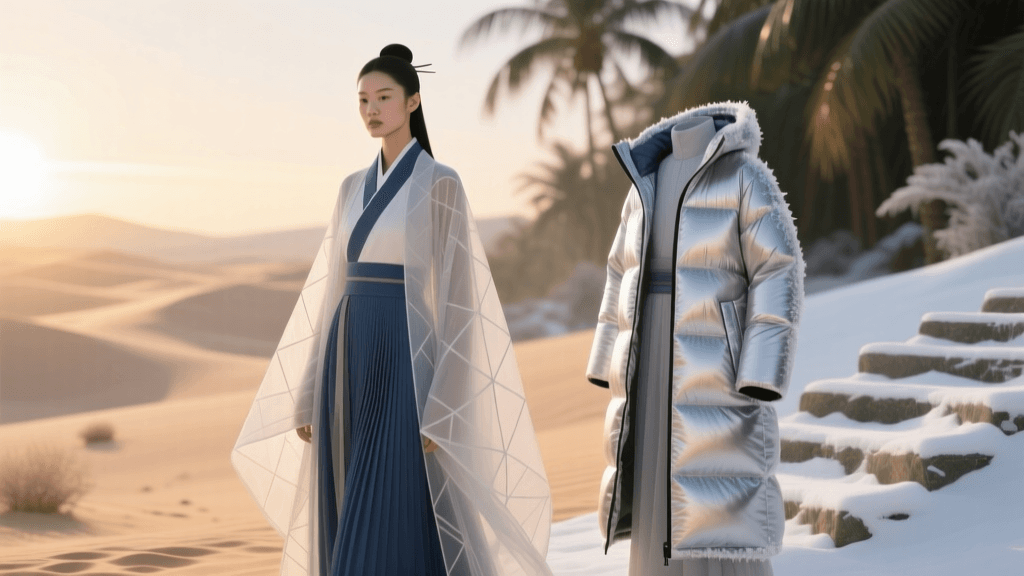
As the global appreciation for traditional Chinese clothing continues to surge in 2026, Hanfu enthusiasts are no longer confined to the temperate, spring-like conditions often depicted in historical dramas. From the sweltering humidity of Southeast Asia to the arid, sun-baked dunes of the Middle East, and the biting sub-zero winds of Northern Europe and Harbin, wearing Hanfu in extreme climates requires a strategic approach to fabric selection, dynasty-specific silhouettes, and modern textile layering. The beauty of Hanfu lies in its profound adaptability. Historically, Chinese garments evolved across diverse geographical zones, resulting in a rich tapestry of styles engineered for specific environmental challenges. Today, by combining ancient tailoring wisdom with 2026 textile innovations, wearers can maintain historical elegance without sacrificing comfort or safety in extreme weather.
Tropical Climates: Beating High Heat and Humidity
Wearing traditional garments in tropical regions like Singapore, Kuala Lumpur, or southern Florida presents a unique challenge: high ambient heat combined with oppressive humidity. In these environments, sweat cannot easily evaporate, making heavy silks and synthetic brocades unbearable. The solution lies in the Song Dynasty (960–1279) wardrobe and the use of highly breathable, moisture-wicking natural fibers.
Ideal Silhouettes: Song Dynasty Beizi and Banbi
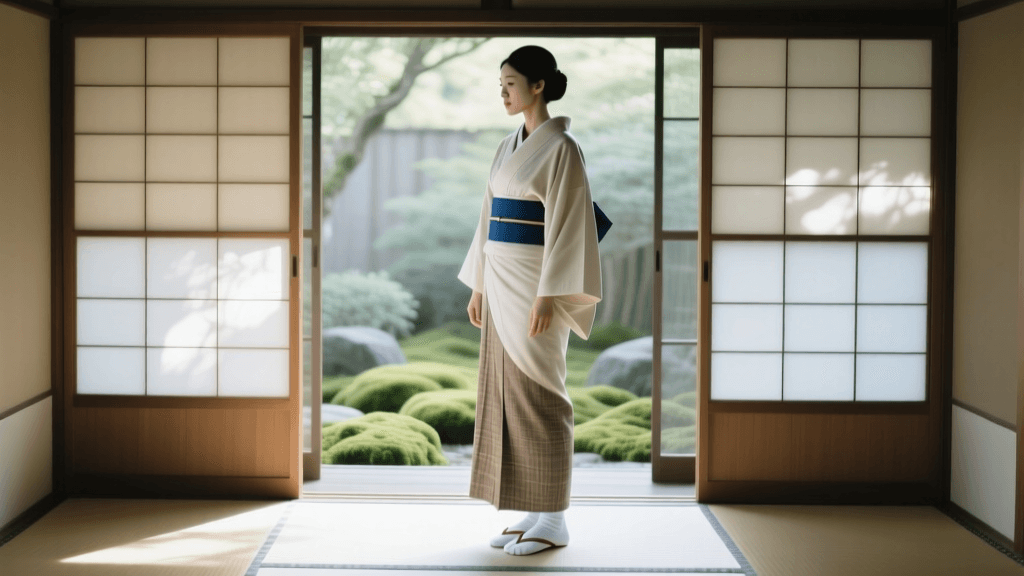
The Beizi (褙子), a long, open-front jacket with straight, narrow sleeves, is the ultimate tropical Hanfu garment. Its open front allows for maximum airflow across the torso, while the narrow sleeves prevent the fabric from clinging to sweaty arms. For even hotter days, the Banbi (半臂), a short-sleeved half-jacket from the Tang and Song eras, provides modesty and sun protection for the shoulders while leaving the forearms exposed to the breeze. Pairing these with a lightweight, pleated Baidiequn (hundred-pleat skirt) ensures that the lower body remains cool and unrestricted.
Tropical Fabrics: Ramie and Xiangyunsha
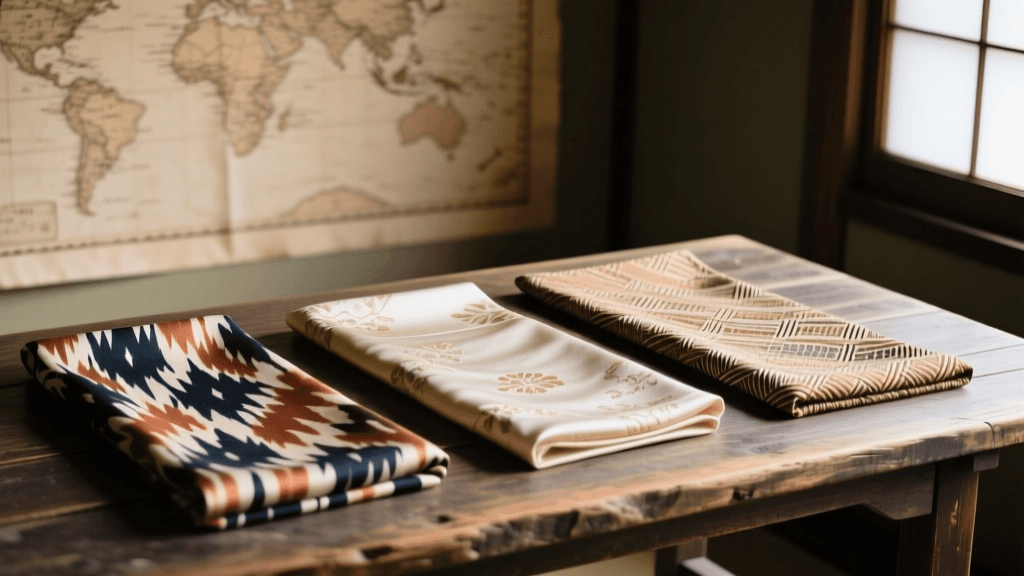
In 2026, the gold standard for tropical Hanfu remains Xia Bu (Ramie) and Xiangyunsha (Gambiered Canton Gauze). Ramie is a bast fiber that has been used in China for millennia. It is naturally resistant to bacteria and mold, dries incredibly fast, and possesses a crisp drape that keeps the fabric away from the skin, promoting air circulation. Xiangyunsha, a premium silk dyed with yam juice and sealed with river mud, is a marvel of traditional engineering. As documented by heritage preservationists, the unique mud-coating process creates microscopic pores in the silk, making it exceptionally cool to the touch and impervious to humidity. A genuine Xiangyunsha yard in 2026 averages $180 to $250 USD, but its longevity and cooling properties make it a worthy investment for tropical enthusiasts.
Desert Climates: UV Protection and Airflow Dynamics
Desert environments, such as those found in Dubai, Arizona, or the Gobi Desert, feature extreme dry heat, intense solar radiation, and drastic temperature drops at night. The primary goal in desert Hanfu styling is to create a microclimate around the body that blocks UV rays while facilitating the 'chimney effect' for heat dissipation.
Ideal Silhouettes: Wei-Jin Wide Sleeves and Tang Layering
Counterintuitively, exposing skin in a desert leads to rapid moisture loss and severe sunburn. The Wei and Jin Dynasty (220–420) aesthetic, characterized by wide, flowing sleeves and loose, multi-layered robes, is perfectly suited for arid heat. The wide sleeves act as bellows; as the wearer walks, air is pumped through the garment, drawing heat away from the body. Additionally, the Weimao (帷帽), a traditional wide-brimmed hat with a sheer veil, has seen a massive resurgence in 2026 desert fashion, offering essential shade for the face and neck while protecting against blowing sand.
Desert Fabrics: Dense Mulberry Silk and Cotton-Linen Blends
To block intense UV radiation, tightly woven mulberry silk is unparalleled. According to textile conservation research from institutions like the Metropolitan Museum of Art, the natural triangular prism-like structure of silk fibers refracts light, providing excellent inherent UV protection. For daily desert wear, modern cotton-linen blends are highly recommended. They offer the structural drape required for Hanfu pleats while providing the moisture-absorption of cotton and the rapid-dry cooling of linen. Avoid synthetic polyesters entirely, as they trap heat and can cause heat exhaustion in arid zones.
Cold Regions: Insulation Without Losing the Silhouette
Wearing Hanfu in freezing climates—whether in Harbin during the Ice Festival, or in Nordic countries during winter—requires mastering the art of historical layering. The Ming Dynasty (1368–1644) provides the most robust framework for cold-weather Hanfu, characterized by high collars, structured jackets, and heavy outerwear.
Ideal Silhouettes: Ming Aoqun and Pifeng
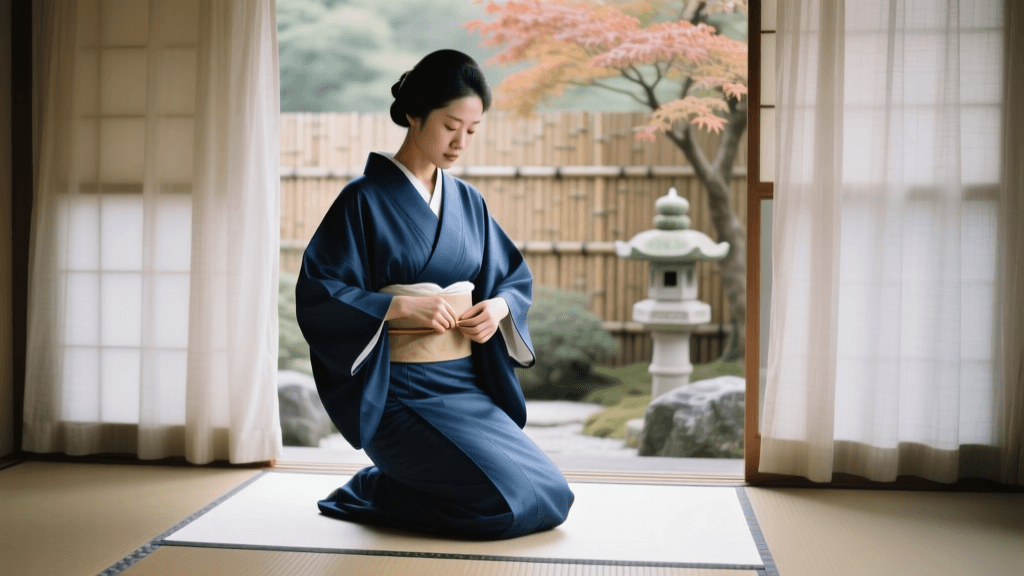
The Aoqun (袄裙), consisting of a lined or padded jacket (Ao) worn over a skirt, is the foundation of winter Hanfu. The high, standing collar (Liling) of the Ming Ao protects the neck from biting winds. For the lower body, the iconic Mamianqun (horse-face skirt) is ideal; its overlapping flat panels allow for the addition of thick thermal leggings underneath without disrupting the skirt's exterior silhouette. To seal in heat, the Pifeng (披风), a long, sweeping cloak, is draped over the shoulders. In 2026, many artisans are integrating hidden windproof membranes into the lining of Pifeng cloaks, preserving the traditional silk exterior while blocking sub-zero wind chill.
Cold Fabrics: Wool, Velvet, and Tech-Lined Silk
Winter Hanfu relies heavily on Zhi Jin (woven gold/brocade) backed with wool, and Si Rong (silk velvet). Velvet was historically favored by Ming nobility for its exceptional heat-retention properties. Today, the integration of modern base layers is crucial. Wearing a high-quality merino wool or phase-change material (PCM) thermal Zhongyi (中衣 - traditional undergarment) beneath the outer Hanfu layers provides core warmth without adding bulk that would distort the historical collar lines. The recognition of traditional Chinese textile craftsmanship, such as the UNESCO-listed sericulture and silk craftsmanship, continues to inspire modern weavers to create heavier, winter-weight silks that honor ancient techniques while meeting modern thermal needs.
2026 Climate-Adapted Hanfu Comparison Chart
| Climate Zone | Ideal Dynasty / Style | Recommended Fabric | 2026 Avg. Garment Cost (USD) |
|---|---|---|---|
| Tropical (Hot/Humid) | Song Beizi / Baidiequn | Ramie (Xia Bu), Xiangyunsha | $120 - $350 |
| Desert (Dry Heat/UV) | Wei-Jin Wide Sleeves / Weimao | Tightly Woven Mulberry Silk, Cotton-Linen | $80 - $200 |
| Cold (Freezing/Wind) | Ming Aoqun / Pifeng Cloak | Silk Velvet, Wool-Backed Brocade | $250 - $600+ |
Modern Base Layers and 2026 Tech Integration
The most significant advancement in the 2026 Hanfu market is the seamless integration of modern climate-control technology into traditional under-layers. Brands are now producing specialized Zhongyi (inner garments) using graphene-infused yarns, which naturally regulate body temperature and possess antibacterial properties. For extreme cold, battery-heated vests designed to mimic the flat, cross-collar cut of traditional innerwear can be worn invisibly beneath a Ming-style jacket. In tropical zones, cooling-jade fiber under-layers provide a physical sensation of coolness against the skin, drastically reducing the risk of heat rash when wearing multiple layers for formal ceremonies.
Care and Maintenance in Extreme Weather
Extreme climates demand specialized garment care. In tropical regions, the high humidity can cause natural dyes to bleed or mold to form on stored silks. Xiangyunsha and Ramie must be air-dried in the shade and stored with natural desiccants like bamboo charcoal. In desert environments, the fine, abrasive sand can degrade silk fibers over time. It is recommended to gently brush desert-worn Hanfu with a soft-bristled garment brush and avoid machine washing, which strips the silk of its natural sericin coating. For cold-region wool and velvet Hanfu, professional dry cleaning is mandatory, and garments must be stored in breathable cotton garment bags to prevent moth damage during the summer months.
Conclusion
The evolution of Hanfu in 2026 proves that traditional Asian garments are not static relics, but living, breathing sartorial systems capable of adapting to the planet's most extreme environments. By understanding the historical purpose of specific silhouettes and respecting the physical properties of natural fibers—from the cooling mud-silks of Canton to the wind-breaking velvets of the Ming court—enthusiasts can confidently wear their heritage anywhere on the globe. For further reading on the historical foundations of these incredible textiles, the Victoria and Albert Museum's extensive archives on silk offer profound insights into the craftsmanship that makes these climate adaptations possible.