Best Hanfu Education Workshops & Certifications 2026
The Professionalization of Hanfu Education in 2026
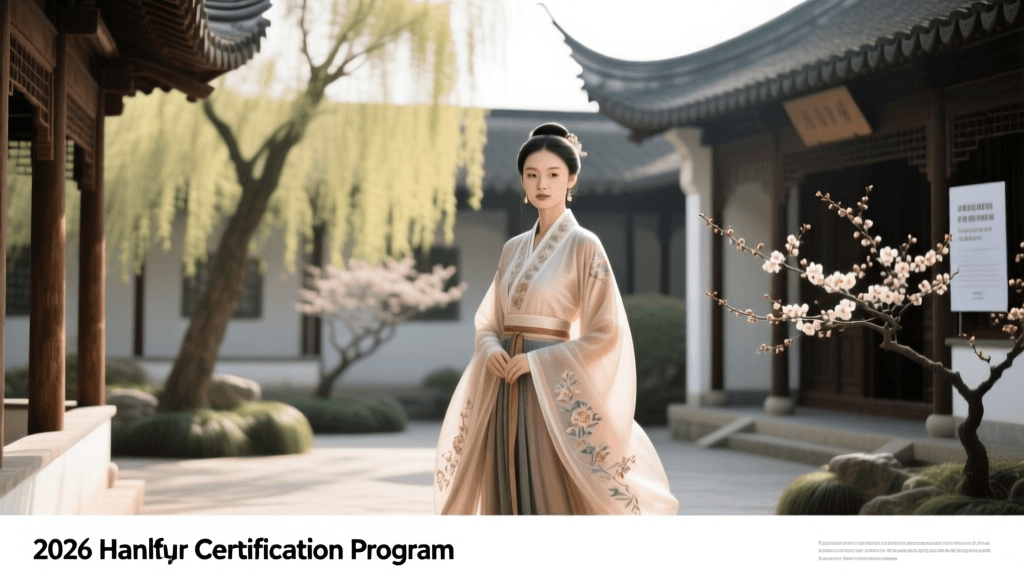
As we navigate through 2026, the Hanfu movement has decisively transcended its roots as a passionate internet subculture to become a fully professionalized global industry. What began two decades ago as a grassroots effort to revive traditional Han Chinese clothing has evolved into a multi-billion-dollar sector encompassing bespoke tailoring, historical tourism, cinematic styling, and academic research. Consequently, the demand for structured Hanfu education workshops and formal styling certification programs has skyrocketed. Today, enthusiasts and professionals alike are seeking accredited pathways to master the intricate rules of dynastic dress, textile conservation, and traditional hair architecture.
For aspiring stylists, museum curators, and cultural educators, informal community meetups are no longer sufficient. The 2026 landscape requires rigorous, standardized training that balances historical accuracy with the practical demands of modern commercial styling. Whether you are looking to open a boutique Hanfu rental studio in Singapore, work as a wardrobe supervisor for historical dramas, or simply deepen your personal understanding of Asian traditions, enrolling in a recognized certification program is the definitive first step.
The Shift from Hobbyist to Accredited Vocational Training
In the early days of the Hanfu revival, knowledge was primarily crowdsourced through forums and social media. While this democratized access to historical texts, it also led to widespread misinformation regarding garment construction, dynastic appropriateness, and proper layering techniques. By 2026, leading cultural institutions and vocational academies have stepped in to standardize the curriculum. Organizations aligned with national cultural heritage bureaus now offer tiered certification tracks that test a candidate's knowledge of everything from Ming Dynasty Mamianqun pleating structures to the metallurgical history of Song Dynasty hairpins.
Modern Hanfu education workshops now heavily integrate digital archiving and textile science. Students are no longer just memorizing visual guides; they are learning how to identify weave structures, understand the drape of different silk grades, and apply historical garments to diverse modern body types without compromising the traditional silhouette.
Core Curriculum: What You Will Learn in a 2026 Workshop
A comprehensive Hanfu certification program in 2026 is divided into several rigorous modules. While specific academies may tailor their electives, the core curriculum universally covers the following areas:
1. Dynastic Silhouettes and Tailoring Architecture
Students must master the distinct visual and structural languages of major dynasties. This includes the voluminous, cosmopolitan layering of the Tang Dynasty, the slender, minimalist elegance of the Song Dynasty, and the highly structured, heavily decorated garments of the Ming Dynasty. Workshops provide hands-on draping sessions where students learn how the flat-cutting techniques of traditional Chinese tailoring differ fundamentally from Western dart-and-seam construction.
2. Textile Science and Garment Conservation
Understanding fabric is paramount. Courses cover the properties of Xiangyunsha (gambiered Canton gauze), Song brocade, and raw ramie. Furthermore, students learn modern conservation techniques for vintage and antique textiles. Understanding the safeguarding of traditional sericulture and silk craftsmanship, as outlined by UNESCO's Intangible Cultural Heritage frameworks, is now a mandatory module in all master-level certification tracks, ensuring that the intangible skills of garment creation are preserved alongside the physical items.
3. Hair Architecture and Accessory Styling
A Hanfu ensemble is incomplete without its corresponding headwear and jewelry. Certification programs teach the structural engineering of traditional updos, utilizing modern, lightweight 3D-printed supports alongside traditional false hairpieces. Students learn the historical significance and proper placement of Zan (hairpins), Buyao (buyao swaying hairpins), and Shu (combs), ensuring that a Tang-style floral crown is never mistakenly paired with a Ming-style standing collar garment.
4. Archival Research and Digital Verification
Top-tier programs require students to conduct primary research. Master Curator candidates, for instance, are required to complete a comparative analysis using digital archives from institutions like the Victoria and Albert Museum's Asian collections or utilizing high-resolution textile scans from the Metropolitan Museum of Art's Asian Art department. This teaches stylists how to verify the historical accuracy of commercial reproductions before purchasing them for professional wardrobes.
2026 Hanfu Certification Tiers: A Comparative Guide
To help you navigate the educational landscape, we have compiled a comparison of the three primary certification tracks available in 2026. Costs and durations reflect the current global market averages for accredited programs.
| Certification Tier | Duration | 2026 Average Cost (USD) | Core Focus | Final Exam Requirement |
|---|---|---|---|---|
| Enthusiast Workshop | 2-4 Weeks (Weekend) | $350 - $600 | Basic layering, daily styling, fabric care, and modern Hanfu integration. | Practical dressing test and written quiz on dynastic basics. |
| Professional Stylist | 12-16 Weeks | $1,400 - $2,200 | Advanced hair architecture, bridal styling, photoshoot draping, and commercial wardrobe management. | Full portfolio submission and timed live-styling examination. |
| Master Curator/Educator | 6-9 Months | $3,500 - $5,000 | Textile conservation, historical pattern drafting, academic research, and museum exhibition design. | Defended thesis on a specific textile artifact and a curated mock-exhibition. |
The Global Expansion of Hanfu Workshops
One of the most exciting developments in 2026 is the globalization of Hanfu education. While the most intensive and historically immersive programs remain in cities like Hangzhou, Xi'an, and Beijing, high-quality certification workshops are now widely available in international hubs. In London, New York, and Singapore, cultural exchange centers and specialized Asian fashion academies have partnered with Chinese master tailors to offer bilingual certification programs.
These international workshops are particularly innovative in their approach to cross-cultural styling, teaching students how to adapt traditional Hanfu silhouettes for diverse global climates and multicultural events. For instance, workshops in Southeast Asia focus heavily on the breathability of Song Dynasty ramie garments and tropical fabric maintenance, while European workshops focus on layering techniques suitable for colder climates without breaking the historical aesthetic rules.
Selecting the Right Program: Key Considerations
With the proliferation of Hanfu academies, it is crucial to vet your educational provider. When evaluating a workshop or certification program in 2026, consider the following factors:
- Instructor Lineage and Credentials: Ensure your lead instructors possess verifiable credentials, either through academic degrees in textile history or recognized master-apprentice lineages in traditional tailoring.
- Access to Archival Replicas: A premium program will provide students with hands-on access to museum-grade 1:1 replicas of unearthed artifacts, such as those from the Mawangdui or Dingling tombs, allowing for accurate study of seam placements and fabric behavior.
- Studio Facilities: Professional stylist tracks should offer dedicated studio time with professional lighting and photography equipment, enabling students to build their portfolios in real-time.
- Business and Ethics Modules: The best programs now include coursework on the ethical sourcing of silk, navigating cultural appreciation versus appropriation in international styling, and the business logistics of running a traditional garment rental enterprise.
Career Opportunities for Certified Graduates
Graduating with a recognized Hanfu certification in 2026 opens doors to a surprisingly diverse array of lucrative and culturally significant career paths. The entertainment industry remains a massive employer, with historical drama productions and fantasy epics demanding certified wardrobe supervisors who can ensure on-screen accuracy and avoid public relations missteps regarding dynastic anachronisms.
Beyond film, the luxury tourism sector is aggressively hiring Hanfu stylists. High-end resorts and historical theme parks across Asia now offer immersive, multi-day experiences where guests are dressed in historically accurate, season-appropriate Hanfu, requiring a staff of certified dressers and historians to guide them. Additionally, the bridal industry has seen a massive surge in traditional Han wedding ceremonies, creating a highly profitable niche for stylists who specialize in the complex, multi-layered ceremonial garments of the Ming and Zhou dynasties.
For those inclined toward academia and preservation, the Master Curator track leads to roles in cultural heritage NGOs, private textile museums, and auction houses, where experts are needed to authenticate, date, and preserve antique garments for future generations.
Funding and Scholarships in 2026
Recognizing the importance of preserving traditional arts, several cultural foundations and government-backed heritage grants are now available to subsidize Hanfu education. In 2026, applicants demonstrating a commitment to teaching traditional crafts in underserved communities or those focusing on sustainable, eco-friendly dyeing methods can apply for partial tuition waivers through various Asian cultural heritage funds. Prospective students are encouraged to consult their local cultural affairs offices or the financial aid departments of major textile universities for the most current grant cycles.
Conclusion
The Hanfu education and certification landscape of 2026 represents a beautiful synthesis of ancient craftsmanship and modern professional standards. Whether you are seeking to master the delicate pleats of a Mamianqun for a commercial photoshoot or diving deep into the chemical composition of Tang Dynasty dyes for academic research, there has never been a better, more structured time to pursue your passion. By investing in a certified education, you are not merely learning how to dress; you are becoming a vital custodian of Asian traditions, ensuring that the sartorial legacy of the past continues to thrive and inspire in the modern world.