Best Hanfu Certification Programs & Workshops in 2026
The Evolution of Hanfu Education in 2026
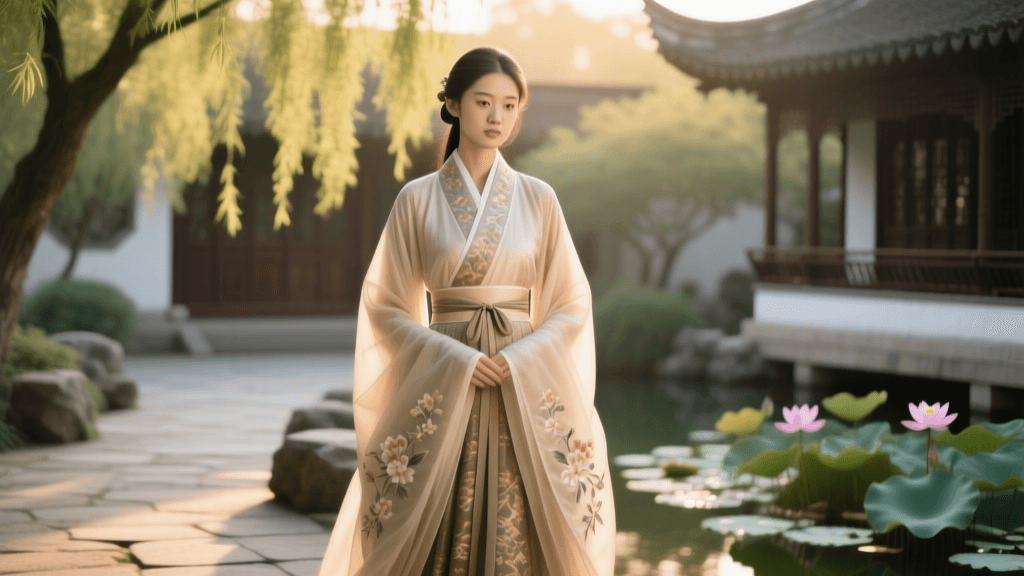
Once considered a niche interest confined to online forums and university campus clubs, the Hanfu movement has matured into a rigorous academic and professional discipline. As we navigate through 2026, traditional Han Chinese clothing is no longer just a fashion statement; it is a deeply studied cultural heritage. For enthusiasts, historians, and fashion professionals, Hanfu education workshops and certification programs have become essential pathways to mastering the intricate details of historical garments, from the flowing shenyi (deep robes) of the Han dynasty to the structured mamianqun (horse-face skirts) of the Ming era.
The demand for certified Hanfu stylists, historical consultants, and textile conservators has skyrocketed in 2026, driven by the booming heritage tourism sector, high-budget historical film productions, and a global resurgence in traditional craftsmanship. According to the UNESCO framework for Intangible Cultural Heritage, the safeguarding of traditional craftsmanship relies heavily on structured educational transmission. Today’s certification programs bridge the gap between ancient tailoring techniques and modern professional standards, ensuring that the cultural significance of these garments is preserved with academic rigor.
Why Pursue a Hanfu Certification in 2026?
The transition from a Hanfu hobbyist to a certified professional offers distinct advantages in today’s market. First, certification provides a standardized vocabulary and historical accuracy that is highly sought after by museums, film studios, and cultural institutions. Second, the 2026 curriculum heavily integrates digital fashion technology, teaching students how to translate physical historical garments into 3D digital assets using advanced software like CLO 3D v2026. Finally, formal education provides access to rare textile archives and master weavers who specialize in endangered techniques like kexi (silk tapestry) and luo (gauze weaving).
Top Hanfu Education Workshops & Certification Bodies
1. The China Hanfu Cultural Promotion Association (CHCPA) Masterclass
Based in Beijing with satellite campuses in Xi'an and Hangzhou, the CHCPA offers the most prestigious in-person certification in the industry. The 2026 Masterclass is an intensive six-week residency that immerses students in the material culture of the Song and Ming dynasties. Students spend mornings in the archives studying original artifacts and afternoons in the atelier practicing flat-pattern cutting and traditional hand-sewing techniques. The 2026 cohort introduces a new module on sustainable natural dyeing, utilizing historical recipes for indigo, madder, and pagoda tree bud yellows. Tuition for the 2026 residency is ¥18,500 RMB (approximately $2,550 USD), which includes materials, archive access, and the final certification examination.
2. Global Virtual Hanfu Draping & Styling Certificate (GVHDC)
For international students and working professionals, the GVHDC provides a fully remote, highly interactive certification. Leveraging 2026's advancements in haptic feedback VR technology, students can virtually 'feel' the drape and weight of different historical silk weaves while learning to style complex layering systems like the Tang dynasty banbi (half-sleeve jacket) and pibo (shawl). The program emphasizes the historical silhouettes documented by the Metropolitan Museum of Art, ensuring global students have access to museum-grade references. The 12-week online course costs $950 USD and culminates in a digital portfolio presentation judged by a panel of international textile historians.
3. The Silk Road Textile & Hanfu Heritage Diploma
Offered in partnership with the Victoria and Albert Museum's Asian Collections and the China Silk Museum, this diploma focuses on the cross-cultural exchanges that shaped Hanfu during the Tang and Yuan dynasties. This program is ideal for textile conservators and fashion historians. It covers the integration of Central Asian motifs, the evolution of the round-collar robe (yuanlingpao), and the conservation of fragile archaeological textiles. The 2026 tuition is £1,800 (approximately $2,250 USD), and the course includes a mandatory two-week field study along the Hexi Corridor to examine mural depictions of historical dress in the Mogao Caves.
2026 Workshop Comparison Chart
| Program Name | Format | Duration | 2026 Tuition | Best For |
|---|---|---|---|---|
| CHCPA Masterclass | In-Person (China) | 6 Weeks | $2,550 USD | Aspiring master tailors and atelier owners |
| GVHDC Certificate | Virtual / VR-Assisted | 12 Weeks | $950 USD | Digital fashion designers and global stylists |
| Silk Road Diploma | Hybrid + Field Study | 6 Months | $2,250 USD | Textile conservators and academic historians |
Core Curriculum Breakdown: What You Will Learn
While each institution has its own pedagogical approach, the 2026 standard for Hanfu certification requires mastery across four core pillars:
- Historical Silhouette & Proportion: Understanding the philosophical and cosmological principles behind garment construction, such as the 'round collar and square hem' representing heaven and earth. Students learn to draft patterns without modern darts, relying entirely on geometric flat-cutting and strategic pleating.
- Textile Science & Weave Identification: The ability to identify and source historically accurate fabrics. This includes distinguishing between juan (plain weave silk), qi (twill), chou (satin), and luo (gauze), and understanding how each fabric's bias and drape affects the final silhouette.
- The Art of the Pleat: A deep dive into the engineering of the mamianqun (horse-face skirt). Students learn the mathematics of traditional pleating, ensuring that the parallel pleats remain perfectly flush during movement, a hallmark of high-quality Ming dynasty reconstruction.
- Digital Archiving & 3D Integration: Using photogrammetry and 3D modeling to preserve fragile garments. Students learn to map historical textiles onto digital avatars, a skill highly demanded by the 2026 gaming and virtual production industries.
Career Opportunities for Certified Hanfu Professionals
Graduates of these 2026 certification programs are entering a robust job market. Major film studios producing historical epics now require certified Hanfu consultants on set to prevent anachronistic costuming errors. Heritage wedding planning is another lucrative sector, with couples increasingly demanding historically accurate Song or Ming dynasty wedding rites and attire, requiring specialized stylists who understand the complex layering of ceremonial fengguan (phoenix crowns) and xiapei (embroidered capes).
Furthermore, the rise of 'Hanfu experience' boutiques in major tourist cities like Chengdu, Luoyang, and Xi'an has created a demand for certified draping specialists. These professionals are trained not only in dressing clients in multi-layered historical garments but also in teaching the associated traditional etiquette, posture, and accessory placement, elevating the tourist experience from mere dress-up to immersive cultural education.
How to Prepare for the 2026 Application Cycle
Admission to top-tier Hanfu certification programs is highly competitive. To prepare your application for the 2026 cohorts, begin by building a foundational portfolio. Even if you are a beginner, document your research process: create mood boards based on specific dynasty tomb murals, sketch historical silhouettes, and practice basic hand-stitching techniques like the hidden stitch (anqian) used for finishing hems.
Additionally, familiarize yourself with the standardized terminology established by the China Hanfu Association. Knowing the precise difference between a jiaoling youren (cross-collar, right lapel) and a duijin (central front opening) demonstrates to admissions committees that you possess the academic dedication required for rigorous historical study. Finally, secure letters of recommendation from textile professors, museum curators, or established heritage artisans who can vouch for your commitment to cultural preservation.
Conclusion
The year 2026 marks a golden era for Hanfu education. The transition from passionate self-study to formalized, certified mastery ensures that the profound beauty and technical brilliance of traditional Han Chinese clothing will be preserved for future generations. Whether you choose the immersive ateliers of Beijing, the cutting-edge virtual classrooms of the GVHDC, or the archaeological field studies of the Silk Road, pursuing a Hanfu certification is an investment in both your professional future and the safeguarding of global intangible cultural heritage.