Hanfu Family Ceremonies 2026: Weddings, Births & Ancestral Rites
The Resurgence of Ritual Hanfu in 2026
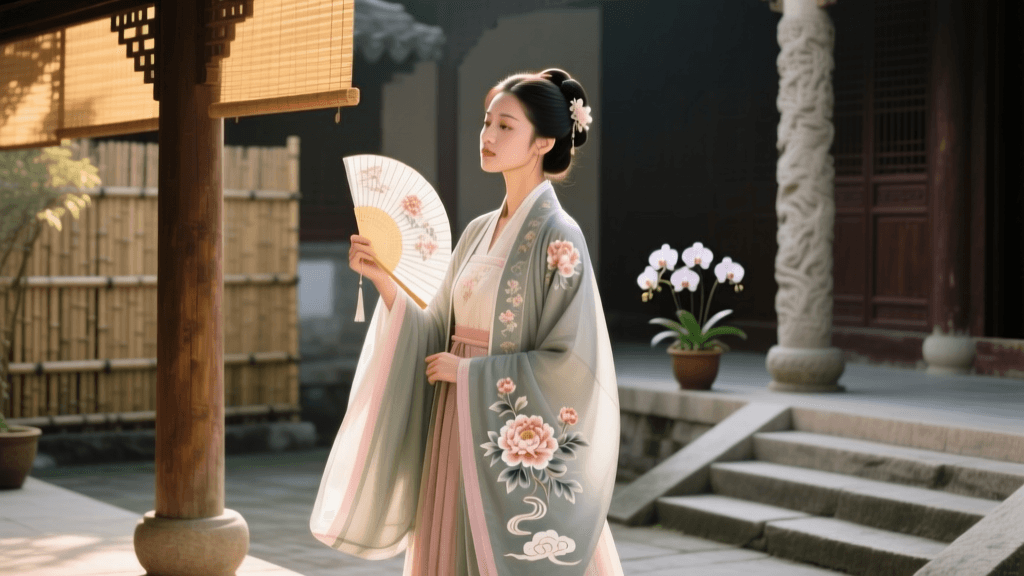
As we navigate through 2026, the Hanfu movement has transcended its origins as a niche internet subculture and a fleeting streetwear trend. Today, traditional Han clothing is deeply embedded in the spiritual and familial milestones of both domestic populations and the global Chinese diaspora. The focus has shifted from everyday convenience to the profound symbolism of Lifu (ceremonial dress). Families are increasingly investing in historically accurate garments to honor their heritage during life’s most critical transitions: birth, coming-of-age, marriage, and ancestral worship.
According to cultural analysts, the demand for bespoke, historically validated ceremonial Hanfu has grown exponentially, driven by a desire to reconnect with lineage. As noted by BBC Culture, the revival of these garments is not merely a fashion statement but a profound reclamation of cultural identity and ritual propriety. This guide explores the specific styles, fabrics, and etiquette required for family ceremonies in 2026.
Birth and Early Childhood: Zhuazhou and Protection Motifs
The first major milestone in a child’s life is the Zhuazhou (first birthday) ceremony. While infants require soft, breathable fabrics, the garments are heavily laden with protective symbolism. In 2026, modern parents are moving away from mass-produced synthetic costumes, opting instead for organic silk-cotton blends that mimic historical infant wear while ensuring dermatological safety.
Key Elements of Infant Ceremonial Hanfu
- Tiger-Head Shoes and Hats: Traditionally believed to ward off evil spirits, these are now crafted by heritage artisans using natural plant dyes like indigo and madder root.
- Embroidered Bibs (Dudou): Featuring motifs of the five poisonous creatures (scorpion, centipede, spider, toad, and snake) to ironically protect the child from illness and harm.
- Ming-Inspired Baby Jackets: Cross-collared, short-sleeved silk jackets lined with organic cotton, typically in auspicious reds or soft lotus pinks.
2026 Sourcing Tip: When ordering bespoke infant Hanfu, ensure the embroidery thread is spun silk rather than metallic synthetic wires, which can irritate sensitive skin. Expect to pay between $150 and $300 USD for a fully hand-embroidered Zhuazhou set from reputable ateliers in Suzhou.
Coming-of-Age: Guanli and Jili Ceremonies
The transition into adulthood is marked by the Guanli (capping ceremony for men at age 20) and the Jili (hairpinning ceremony for women at age 15 or 20). These rites of passage require garments that reflect maturity, scholarly virtue, and readiness to take on societal responsibilities.
The Shenyi: A Robe of Virtue
The centerpiece of the coming-of-age ceremony is the Shenyi (deep robe), a one-piece garment that wraps the body entirely, symbolizing the encompassing nature of virtue and propriety. The upper and lower parts are cut separately but sewn together, representing the harmony of heaven and earth.
- For Men (Guanli): The ceremony involves three separate robe changes, starting with simple unlined hemp or linen, moving to darker cotton, and culminating in a formal black and red silk Shenyi. The addition of the traditional scholar's cap (Guan) signifies the assumption of adult duties.
- For Women (Jili): Young women are adorned in elegant Ruqun (blouse and skirt) sets, transitioning into a formal, flowing Shenyi. The hair is pinned up with a jade or wooden Zan (hairpin), often passed down as a family heirloom.
The Victoria and Albert Museum highlights the historical importance of these woven textiles in denoting social status and life stages, a tradition that modern 2026 ceremonies meticulously recreate to honor ancestral customs.
Traditional Hanfu Weddings: The Grandeur of Hunli
The wedding ceremony (Hunli) is arguably the most visually spectacular of all Hanfu rites. While the mid-2010s saw a mix of dynastic styles, the 2026 wedding market has decisively favored the opulent, structured silhouettes of the Ming Dynasty, alongside the romantic, slender lines of the Song Dynasty for more intimate, tea-focused ceremonies.
2026 Wedding Hanfu Comparison Chart
| Dynastic Style | Key Garments | Primary Colors & Motifs | 2026 Estimated Cost (Bespoke USD) | Best Suited For |
|---|---|---|---|---|
| Ming Dynasty | Fengguan Xiapei (Phoenix Crown & Cloud Cape), Mang Pao (Python Robe) | Crimson, Sapphire, Gold; Phoenix and Dragon motifs | $2,500 - $8,000+ | Grand banquets, formal temple ceremonies |
| Song Dynasty | Da Shan Xia, Long Skirt, Floral Hairpins | Pearl White, Jade Green, Soft Pink; Subtle floral weaves | $800 - $2,200 | Intimate garden weddings, tea ceremonies |
| Tang Dynasty | Qungua, Banbi, Pibo (Shawl) | Vibrant Vermilion, Mustard, Emerald; Peony motifs | $1,200 - $3,500 | Festive, multi-cultural fusion weddings |
The Investment in Yunjin and Kesi Silk
For brides opting for the Ming-style Fengguan Xiapei, the fabric is paramount. In 2026, discerning couples are investing in Yunjin (cloud brocade) and Kesi (cut silk tapestry). These UNESCO-recognized intangible cultural heritage weaving techniques require months of labor on traditional wooden looms. A genuine Kesi-woven cloud cape can take up to six months to complete. Couples are advised to consult with heritage ateliers in Nanjing at least eight months before their wedding date to secure authentic materials, as the supply of master weavers remains limited.
Ancestral Rites and Mourning: Solemnity and Sangfu
Connecting with one's lineage through ancestral worship (Ji Zu) and navigating the grieving process (Sangfu) requires a deep understanding of ritual modesty. Unlike the vibrant hues of weddings, ceremonial dress for the deceased and for ancestral altars is governed by strict codes of restraint.
Ancestral Worship (Ji Zu)
When visiting family shrines or attending the Qingming and Zhongyuan festivals, participants wear subdued, dignified Hanfu. The preferred styles are plain, dark-colored Shenyi or unadorned Ruqun in navy, charcoal, or deep plum. The focus is on cleanliness, neatness, and the absence of flashy metallic embroidery, reflecting a posture of humility before one's ancestors.
Mourning Dress (Sangfu)
Traditional mourning dress is categorized into five degrees of grief, historically dictating the coarseness of the fabric and the duration of wear. While modern 2026 practices have adapted for practicality, the core philosophy remains intact:
- Zhancui (Unhemmed Sackcloth): Historically worn by sons for their fathers. Today, immediate family members may wear unbleached, raw hemp or coarse linen armbands or sashes over dark, plain Hanfu to signify deep mourning.
- Qicui (Hemmed Sackcloth): Worn by extended family, represented by slightly softer, hemmed linen garments in muted greys or off-whites.
- Transitioning Back: After the mourning period, families gradually transition back to dark blues and blacks before re-entering the world of colorful ceremonial dress.
Sourcing and Caring for Ceremonial Hanfu
The 2026 market is saturated with cheap, machine-embroidered imitations that lack the structural integrity required for heavy ceremonial wear. When sourcing garments for life-cycle rituals, prioritize ateliers that provide historical provenance and utilize natural fibers. The Metropolitan Museum of Art provides extensive historical context on the evolution of Chinese silk weaving, emphasizing the importance of material authenticity in traditional garments.
Essential Care Guidelines for Heritage Silks
Never machine-wash Kesi or Yunjin silks. Ceremonial garments should be spot-cleaned by professional textile conservators or dry-cleaned using specialized organic solvents. Store heavy wedding robes flat in acid-free tissue paper within cedar chests to prevent the warp threads from snapping under their own weight.
Conclusion: Weaving the Past into the Future
As Hanfu solidifies its place in the modern familial landscape, it serves as a tangible bridge between generations. Whether it is the protective tiger shoes of a newborn, the scholarly Shenyi of a young adult, the breathtaking phoenix crown of a bride, or the humble linen of a mourning descendant, these garments carry the emotional and spiritual weight of a civilization. By investing in historically accurate, ethically sourced ceremonial Hanfu in 2026, families are not merely dressing up; they are actively participating in the living, breathing continuum of Asian heritage.