2026 Hanfu Guide for Family Ceremonies: Birth, Weddings & Rites
The 2026 Hanfu Renaissance in Family Milestones
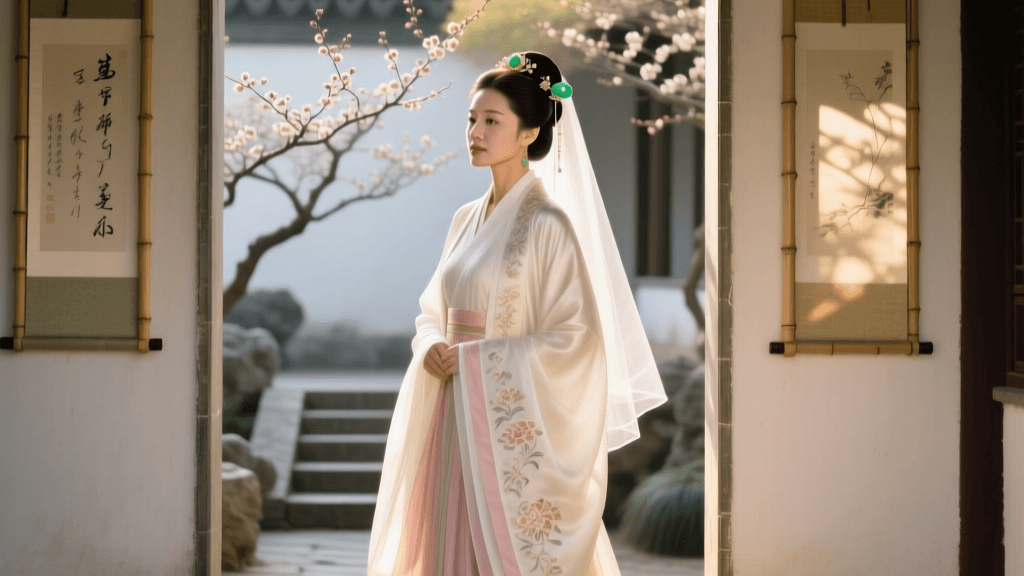
As we navigate through 2026, the Hanfu movement has fully transitioned from a niche streetwear subculture into a deeply embedded component of Chinese family life. No longer reserved solely for photography sessions or cultural festivals, traditional Han garments are now the standard for major life cycle events. According to cultural analysts tracking the Hanfu clothing revival, the integration of these garments into domestic milestones represents a profound reconnection with ancestral heritage. For families planning their ceremonial wardrobes this year, understanding the historical precedents, modern fabric innovations, and proper etiquette for births, weddings, and ancestral rites is essential.
Birth and the 100-Day Celebration (Bairi Yan)
In traditional Chinese culture, the 100-day celebration marks a critical milestone in an infant's life, symbolizing survival, health, and prosperity. In 2026, parents are increasingly opting for bespoke baby Hanfu sets that balance historical aesthetics with stringent modern safety standards.
Fabric and Safety Innovations
Modern infant Hanfu has moved away from the stiff, heavily embroidered silks of the past, which can irritate sensitive skin. The 2026 market is dominated by GOTS-certified organic bamboo and lotus-fiber blends. These textiles offer the drape and subtle sheen of traditional silk while providing hypoallergenic, breathable, and temperature-regulating properties. When sourcing baby Hanfu, ensure that the garments adhere to the Global Organic Textile Standard to guarantee the absence of toxic synthetic dyes, which is crucial for infants who may chew on their collars.
Design Adjustments for Infants
- Closures: Traditional Pan Kou (knotted buttons) are retained for aesthetic purposes on the outer layer, but 2026 designs utilize hidden, baby-safe magnetic snaps underneath for secure and rapid diaper changes.
- Embellishments: Avoid garments with loose beadwork, metallic threads, or detachable tassels, which pose severe choking hazards. Opt for flat, tone-on-tone embroidery featuring protective motifs like tigers (to ward off evil) or lotus flowers (for purity).
- Sizing: Because infants grow rapidly, purchase the 100-day Hanfu in a 6-to-9-month size. Traditional Hanfu cutting is inherently forgiving due to its flat-pattern construction and wrap-style closures, allowing a larger garment to be folded and tied securely without looking oversized.
Traditional Weddings (Hunli): Ming and Tang Elegance
The traditional Chinese wedding, or Hunli, is a profound union of two families. While the Tang Dynasty round-collar robes remain popular for their vibrant, cosmopolitan flair, the Ming Dynasty wedding attire—specifically the Fengguan Xiapei (Phoenix Crown and Rosary) paired with the Aoqun (jacket and skirt)—remains the undisputed gold standard for 2026 traditional weddings. The Metropolitan Museum of Art notes that Ming Dynasty clothing established strict sumptuary laws and iconic silhouettes that continue to define Chinese ceremonial elegance today.
The Anatomy of a 2026 Ming Wedding Ensemble
A complete Ming-style bridal ensemble requires meticulous layering. Brides should expect to wear a white cotton Zhongyi (inner garment), followed by a heavily embroidered Ao (jacket) featuring auspicious motifs like dragons, phoenixes, and peonies. The lower half consists of a Mamianqun (horse-face skirt), typically in crimson or deep burgundy, featuring flat pleats that fan out beautifully during the ceremonial bowing.
2026 Bespoke Tailoring and Lead Times
For brides seeking authentic, hand-loomed silk and genuine gold-leaf thread weaving, the 2026 lead time for bespoke artisans in Suzhou and Hangzhou is currently six to eight months. Many top-tier ateliers now utilize AI-driven 3D body scanning via smartphone apps to capture over 40 distinct bodily measurements, ensuring the flat-cut garments drape perfectly on modern body types without sacrificing historical accuracy. Budget accordingly: a museum-quality, bespoke Ming wedding set in 2026 ranges from $2,500 to $5,500, while high-quality off-the-rack rental options average $300 to $600 for the weekend.
Ancestral Rites (Jisi) and Qingming Festivals
Ancestral worship is a cornerstone of Confucian filial piety. Whether attending the Qingming (Tomb-Sweeping) Festival in early spring or participating in a private family Jisi (ancestral sacrifice) at a home altar, the attire must convey profound respect, solemnity, and humility.
Appropriate Styles and Color Palettes
Flashy colors, heavy makeup, and excessive jewelry are strictly taboo during ancestral rites. The preferred garments for 2026 are the Song Dynasty Beizi (a long, side-slit outer jacket) or the Ming Dynasty Daopao (a structured, wide-sleeved robe for men and women). The color palette should be grounded and subdued: deep navy, charcoal, muted sage green, or dark plum.
"In the presence of ancestors, our garments speak before we do. The simplicity of the cloth reflects the purity of our remembrance." — Proverb on Ceremonial Piety
Climate Adaptations for Spring Rites
Qingming often brings unpredictable, damp spring weather. In 2026, textile manufacturers have introduced water-resistant, plant-based wax treatments for outer-layer Hanfu. Applying a light, eco-friendly beeswax or carnauba wax finish to the hem of a Daopao prevents mud and moisture damage when walking through rural cemeteries or mountainous memorial parks, preserving the garment without relying on modern synthetic sprays.
2026 Sizing, Budgeting, and Sourcing Guide
Sourcing authentic Hanfu requires an understanding of traditional Chinese measurements, which differ vastly from Western sizing charts. Hanfu is traditionally measured in flat widths rather than contoured circumferences. When ordering online in 2026, always provide your exact height, weight, shoulder width, and arm length (measured from the nape of the neck, over the shoulder, down to the wrist bone).
Ceremony Hanfu Comparison Chart (2026 Market Data)
| Event | Recommended Style | Ideal 2026 Fabric | Est. Cost (Bespoke) | Lead Time |
|---|---|---|---|---|
| 100-Day Birth | Modified Jiaoling Youren | Organic Bamboo/Cotton Blend | $80 - $180 | 2 - 3 Weeks |
| Traditional Wedding | Ming Aoqun & Mamianqun | Heavy Silk Brocade, Gold Thread | $2,500 - $5,500 | 6 - 8 Months |
| Ancestral Rites | Song Beizi / Ming Daopao | Worsted Wool, Raw Hemp, Matte Silk | $250 - $600 | 4 - 6 Weeks |
| Elder's Birthday | Yuanlingpao (Round Collar) | Jacquard Silk, Velvet Accents | $400 - $900 | 1 - 2 Months |
Hair, Accessories, and Final Etiquette
The garment is only half of the ceremonial equation. For weddings, the bride's hair must be fully pinned up, utilizing a traditional Zanzi (hairpin) and the elaborate Fengguan (phoenix crown). In 2026, lightweight 3D-printed resin crowns plated in 24k gold have replaced heavy brass alternatives, saving brides from severe neck strain during multi-hour tea ceremonies. For ancestral rites and birth celebrations, hair should be kept neat and minimally adorned—simple wooden hairpins or jade clasps are the most culturally appropriate choices.
Ultimately, dressing in Hanfu for family milestones in 2026 is an act of living history. By selecting the correct silhouettes, respecting the color symbolism, and prioritizing high-quality, sustainable textiles, families can honor their lineage while participating in a vibrant, evolving cultural tradition.