The Complete Geta And Zori Footwear Craft Guide 2026
The Resurgence of Heritage Footwear in 2026
In 2026, the global fashion landscape has witnessed a profound renaissance of traditional Japanese footwear. Once relegated to festival wear or historical reenactments, handcrafted geta and zori have firmly planted themselves in the intersection of heritage craftsmanship and modern sustainable streetwear. As consumers increasingly reject mass-produced, synthetic fast fashion, the meticulous art of Japanese footwear making offers a compelling alternative. Artisans are blending centuries-old woodworking and textile braiding techniques with contemporary ergonomic insights, creating pieces that are as functional for navigating modern city streets as they are culturally significant. According to the Agency for Cultural Affairs, Government of Japan, the preservation of these intangible cultural properties has seen a massive surge in young apprentices taking up the mantle of master craftsmen, ensuring these techniques thrive well into the late 2020s.
Understanding the Anatomy: Geta vs. Zori
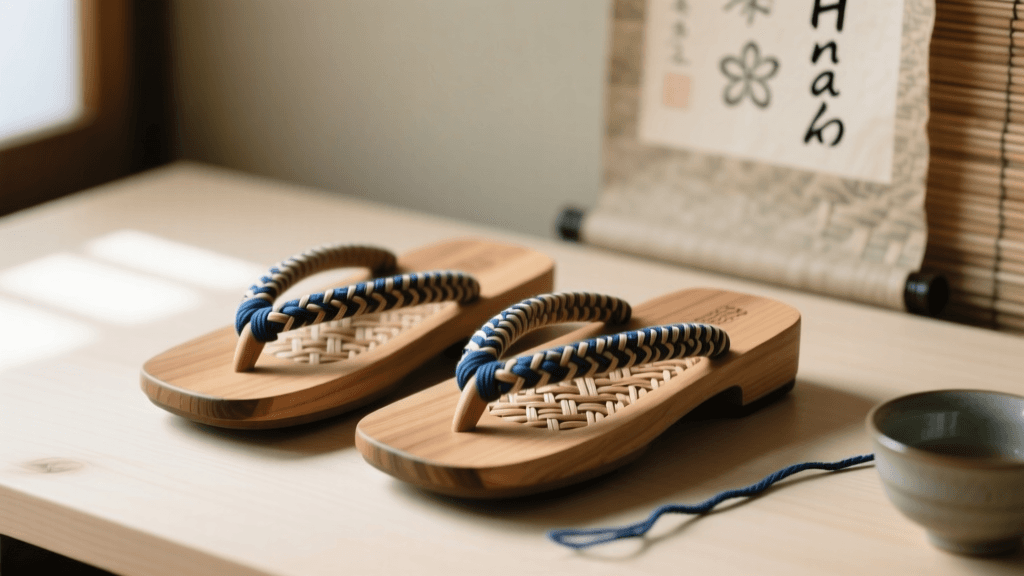
To truly appreciate the craft, one must understand the structural differences between the two primary forms of traditional Japanese footwear. While both share the iconic hanao (the Y-shaped thong that secures the foot), their foundations serve entirely different purposes.
The Architecture of Geta
Geta are elevated wooden clogs characterized by their dai (the main wooden board) and ha (the supporting teeth underneath). Historically, the elevation kept the hem of expensive silk kimonos above the mud and rain of unpaved streets. Today, the ha provide a unique biomechanical benefit: they encourage a natural, rolling gait and engage the calf muscles, acting as an early form of ergonomic posture correction. The signature "clack-clack" sound, known as karankoron, remains a beloved sensory hallmark of Japanese summer festivals.
The Elegance of Zori
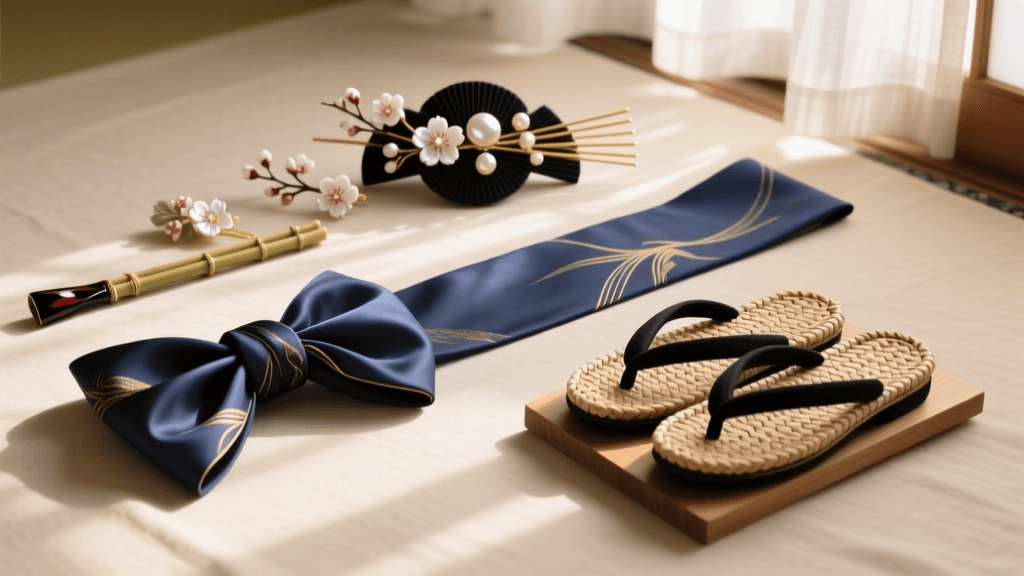
Zori, conversely, are flat-soled sandals. While geta are inherently casual or utilitarian, zori span the spectrum from everyday wear to the highest levels of formality. Traditional formal zori are woven from igusa (rush grass) or bamboo, while modern 2026 iterations frequently feature upcycled vegan leathers, brocade, and sustainably harvested rattan. Zori are the mandatory footwear pairing for formal kimono and hakama ensembles, prized for their flexibility and silent, graceful movement.
Master Materials: Paulownia Wood and Hanao Braiding
The soul of a premium geta lies in its wood. Master artisans almost exclusively utilize kiri (paulownia wood). Paulownia is remarkably lightweight, highly resistant to moisture and rot, and possesses a natural thermal insulating property that keeps the foot cool in the sweltering Japanese summer and relatively warm in the winter. In 2026, sustainable forestry practices have made paulownia a darling of the eco-conscious fashion world, as it is one of the fastest-growing hardwood trees on the planet, sequestering carbon at an impressive rate.
The hanao (thong) is where the textile arts shine. The process of creating a hanao is not merely tying a knot; it is a complex braiding and tensioning technique. The inner core of the hanao must be strong enough to withstand hundreds of pounds of tensile stress, traditionally made from twisted hemp or cotton. The outer layer is then meticulously wrapped or braided with velvet, silk, or, increasingly in 2026, recycled ocean-plastic textiles that mimic the sheen of traditional silk. The point where the hanao meets the wood—the tsubo—is secured using specialized hidden knots that allow the artisan to adjust the tension and replace the thong without damaging the wooden base.
The sound of geta is not merely a byproduct of walking; it is the rhythmic heartbeat of the street, a sensory signature of heritage in motion that connects the wearer to centuries of history.
The 2026 Sizing Chart and Fitting Rules
One of the most common mistakes international buyers make when purchasing geta or zori is applying Western shoe-sizing logic. In Western footwear, the toes and heels should be fully enclosed or supported. In traditional Japanese footwear, the correct fit actually requires the heel to slightly overhang the back edge of the dai by about 1 to 2 centimeters. This overhang prevents the heel from striking the wood and causing blisters, while also allowing the natural pivot of the foot to lift the back teeth of the geta cleanly off the ground.
Below is the standard 2026 sizing conversion chart utilized by master artisans in Tokyo and Kyoto:
| Foot Length (cm) | Japanese Size | US Men | US Women | EU Size | Recommended Geta Length (cm) |
|---|---|---|---|---|---|
| 23.0 | 23.0 | 5 | 6.5 | 36 | 21.5 - 22.0 |
| 24.5 | 24.5 | 6.5 | 8 | 38 | 23.0 - 23.5 |
| 26.0 | 26.0 | 8 | 9.5 | 40 | 24.5 - 25.0 |
| 27.5 | 27.5 | 9.5 | 11 | 42 | 26.0 - 26.5 |
| 29.0 | 29.0 | 11 | 12.5 | 44 | 27.5 - 28.0 |
Note: Always measure your foot from the tip of the longest toe to the back of the heel while standing, as the arch flattens and elongates the foot under body weight.
Sourcing Authentic Artisans: Kyoto and Asakusa
While e-commerce has made Japanese crafts globally accessible, the true essence of geta and zori is best experienced in the workshops where they are born. As of 2026, the Asakusa district in Tokyo remains the undisputed epicenter of geta craftsmanship. Stores like the legendary Matsui Geta continue to offer bespoke carving services, where artisans shape the dai to the exact contour of the customer's foot arch using digital 3D scanning combined with traditional hand-chiseling. The average cost for a bespoke pair of hand-carved paulownia geta in Asakusa currently ranges from ¥18,000 to ¥35,000 ($120–$230 USD), a testament to the affordability of heritage luxury when bought directly from the source.
In Kyoto, the focus shifts toward the exquisite textile arts of the zori. The Metropolitan Museum of Art's Heilbrunn Timeline of Art History notes that the integration of Nishijin-ori (Kyoto's premier brocade weaving technique) into footwear elevates the zori from a mere accessory to a wearable art piece. For buyers unable to travel, certified Japanese craft cooperatives now offer virtual consultations, allowing international clients to select wood grains, hanao textiles, and teeth heights via high-definition video links, bridging the gap between ancient craft and modern global commerce.
Maintenance and Hanao Replacement
Proper care ensures that a pair of paulownia geta can last a lifetime, with only the hanao requiring periodic replacement. To maintain your footwear in 2026's varying climates, follow these artisan-recommended steps:
- Moisture Control: Paulownia is naturally moisture-resistant, but prolonged exposure to rain can cause the wood to swell and eventually crack upon drying. If your geta get wet, wipe them with a dry, soft cotton cloth and let them air dry in a shaded, well-ventilated area. Never place them near a direct heat source or in harsh sunlight.
- Wood Nourishment: Once a year, lightly rub the wooden dai with a small amount of natural camellia oil (tsubaki oil). This enhances the grain, prevents drying, and maintains the wood's natural antimicrobial properties.
- Hanao Tensioning: Over time, the fabric of the hanao will stretch, causing the foot to slide forward. A skilled hanao-shokunin (thong artisan) can re-tension the knots from the underside of the geta. In 2026, many boutique shops offer mail-in hanao replacement services, allowing you to swap out a faded summer cotton thong for a rich, winter-weight velvet one.
- Teeth Maintenance: The ha (teeth) of the geta will naturally wear down on asphalt. Artisans can attach replaceable rubber or polyurethane caps to the bottom of the wooden teeth, preserving the wood while providing superior grip on modern urban surfaces.
By understanding the deep material science, the precise fitting requirements, and the rich cultural lineage of geta and zori, modern consumers can step into 2026 with a profound appreciation for the ground they walk on. These are not merely shoes; they are architectural marvels of wood and thread, carrying the weight of history with every deliberate stride.