Sourcing Authentic Guatemalan Huipil Textiles in 2026
The Enduring Legacy of the Mayan Huipil
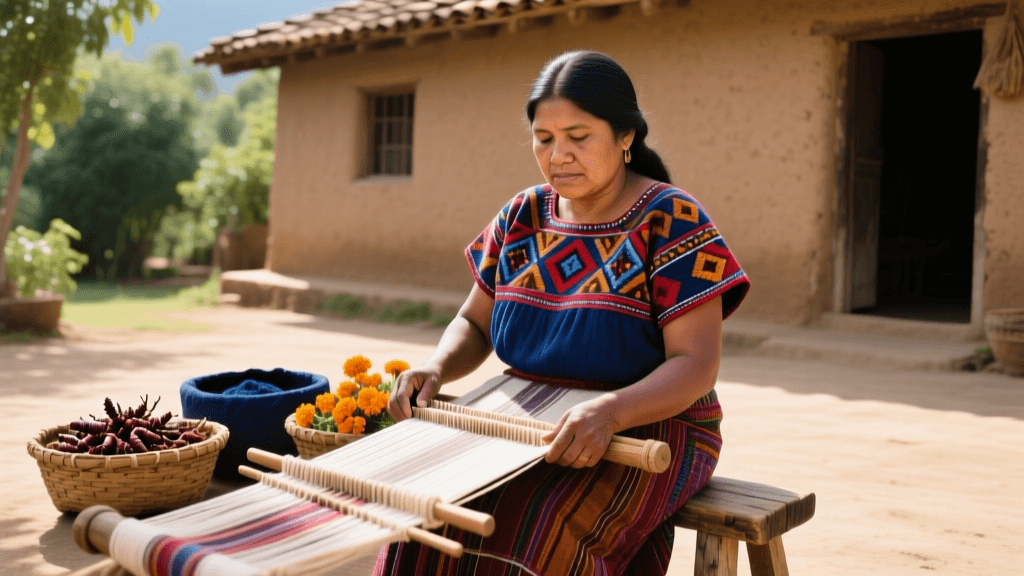
The huipil (pronounced wee-peel) is far more than a simple garment; it is a profound expression of Indigenous identity, cosmology, and ancestral memory in Mesoamerica. Worn primarily by Maya women in Guatemala and parts of Mexico, the huipil serves as a visual language. Every geometric pattern, animal motif, and color choice communicates the wearer’s specific village, social status, marital status, and personal beliefs. As we navigate the global textile market in 2026, the demand for these masterpieces has surged, bringing both economic opportunities and significant challenges regarding cultural appropriation and mass-produced counterfeits.
For collectors, designers, and cultural enthusiasts, understanding the intricate processes behind these garments is essential. According to the Museo Ixchel del Traje Indígena in Guatemala City, the preservation of traditional weaving is intrinsically linked to the survival of Maya cultural heritage. In 2026, sourcing an authentic huipil requires a discerning eye, a commitment to ethical purchasing, and a deep respect for the artisans who keep these ancient traditions alive.
Backstrap Loom Weaving and Natural Dyes in 2026
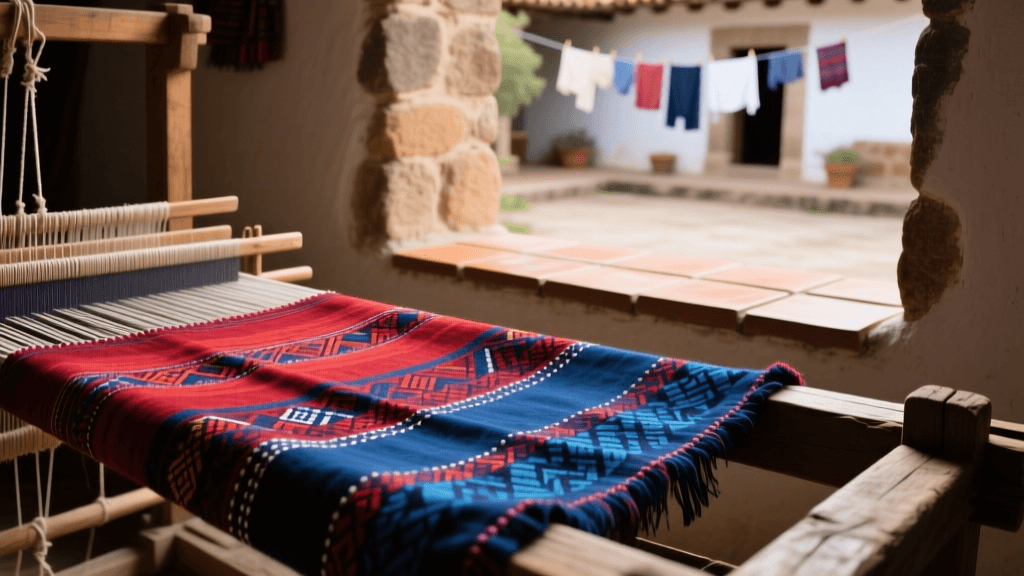
The creation of a genuine huipil begins long before the weaving starts. The traditional method utilizes a backstrap loom (telar de cintura), an ingenious, pre-Columbian device that consists of two parallel wooden rods. One rod is tied to a sturdy post or tree, while the other is attached to a strap that wraps around the weaver’s lower back. This setup makes the weaver’s body an integral part of the loom; she controls the tension of the warp threads simply by leaning forward or backward. This intimate physical connection allows for the creation of incredibly tight, durable, and complex textiles that modern pedal looms cannot replicate.
The decorative elements on a huipil are typically achieved through a supplementary weft technique known as brocade. Unlike embroidery, which is stitched onto a finished piece of fabric, brocade involves weaving the colorful, intricate patterns directly into the cloth as it is being created. A single, heavily brocaded huipil can take anywhere from three to eight months of daily labor to complete.
The Resurgence of Natural Dyes
While the mid-20th century saw a shift toward cheap, synthetic aniline dyes that often polluted local waterways, 2026 has marked a definitive renaissance in natural dyeing. Artisan cooperatives are returning to ancestral recipes, driven by global eco-consciousness and a desire for premium, sustainable textiles. Key natural dyes include:
- Cochineal (Dactylopius coccus): A scale insect that lives on the nopal cactus. When dried and crushed, it yields brilliant carmines and purples. The final hue is altered using mordants like alum, iron, or lime juice.
- Indigo (Añil): Derived from the indigo plant through a complex, multi-day fermentation process in clay vats, producing deep, colorfast blues.
- Sacatinta and Pericón: Local plants used to achieve rich blacks and vibrant, colorfast yellows, respectively.
Textiles dyed with these organic materials possess a subtle, living variation in color that synthetic dyes simply cannot mimic, making them highly sought after by ethical fashion houses and textile collectors in 2026.
How to Identify Authentic Handwoven Huipils
The market is currently flooded with machine-made jacquard fabrics designed to mimic Indigenous patterns. These mass-produced items are often manufactured in overseas factories and imported, undercutting local artisans and stripping the garments of their cultural context. To ensure you are purchasing an authentic, handwoven piece, look for the following hallmarks:
- The Reverse Side: Turn the garment inside out. True brocade will look almost as neat and structured on the back as it does on the front, with the supplementary weft threads floating neatly across the warp. Embroidery, conversely, will show messy, tangled threads and knotting on the reverse.
- Selvedge Edges: Handwoven panels are woven to their exact width, meaning the side edges (selvedges) are naturally finished and will not fray. Machine-made fabrics are cut from larger bolts, leaving raw, serged, or hemmed edges.
- The Randa: Because backstrap looms only produce narrow panels of cloth (usually 18 to 24 inches wide), a huipil is made by joining two or three panels together. The decorative, hand-stitched seam used to connect them is called the randa. An authentic garment will feature a meticulously crafted randa, often using a feather stitch or a complex interlacing technique.
- Imperfections: True handwoven textiles feature microscopic irregularities. The tension might vary slightly from the top of the panel to the bottom, and the motif spacing may not be mathematically perfect. These ‘flaws’ are the fingerprints of the human weaver.
Top Ethical Cooperatives for Sourcing in 2026
Purchasing directly from women-led cooperatives or certified fair-trade NGOs is the most ethical way to source huipils. This ensures the weavers receive a living wage, retain ownership of their intellectual property, and have access to community development funds. The Fair Trade Federation provides excellent guidelines for verifying that organizations adhere to strict ethical sourcing standards, ensuring transparency and equitable compensation.
Below is a curated comparison of premier weaving cooperatives and NGOs operating in Guatemala as of 2026, detailing their specialties and current market pricing for authentic, natural-dyed garments.
| Cooperative / Organization | Region / Village | Specialty Technique | 2026 Avg. Price (USD) | Custom Lead Time |
|---|---|---|---|---|
| Trama Textiles | Quetzaltenango (Xela) | Natural dyes, complex geometric brocade | $220 - $380 | 4 - 6 Weeks |
| Maya Traditions Foundation | Lake Atitlán & Highlands | Backstrap loom, traditional Jaspe (ikat) | $180 - $320 | 3 - 5 Weeks |
| Cooperative San Juan | San Juan La Laguna | Organic cotton, pure Indigo & Sacatinta | $250 - $450 | 5 - 8 Weeks |
| Asociación de Mujeres | San Antonio Aguas Caliente | Double-faced brocade (identical front/back) | $350 - $600 | 6 - 10 Weeks |
Note: Prices reflect direct-to-consumer or wholesale cooperative rates in early 2026. Purchasing through third-party boutique retailers will typically incur a 40% to 60% markup.
Navigating Intellectual Property and Cultural Respect
In recent years, the Guatemalan government and Indigenous councils have taken aggressive legal steps to protect their textile heritage from corporate theft. Several high-profile fashion brands have faced severe backlash and legal action for copying sacred Maya designs without permission or compensation. As of 2026, the ongoing updates to Guatemala’s Industrial Property Law continue to strengthen the collective intellectual property rights of Indigenous communities.
When sourcing a huipil, it is vital to approach the transaction with cultural humility. Certain motifs, such as the double-headed eagle or specific celestial alignments, hold deep spiritual significance and are meant only for specific ceremonies or elders. Organizations like the Maya Traditions Foundation work tirelessly to educate international buyers on the cultural boundaries of these textiles, ensuring that sacred garments are not commodified or disrespected. Always ask the weaver or the cooperative representative about the meaning behind the patterns you are purchasing, and respect their guidance on how the garment should be worn or displayed.
Caring for Your Handwoven Textiles
An authentic, handwoven huipil is an investment that can last for generations if properly maintained. Because these garments are often made with naturally dyed, hand-spun cotton, they require specialized care to prevent fiber degradation and color bleeding.
- Washing: Never machine wash or dry clean a handwoven huipil. Hand wash the garment gently in cold water using a pH-neutral, eco-friendly detergent. Do not soak for extended periods, as natural dyes like cochineal can be sensitive to prolonged water exposure.
- Drying: Never wring or twist the fabric, as this will break the cotton fibers and distort the tension of the weave. Instead, gently press the water out by rolling the garment in a clean, dry towel. Lay it flat to dry in a well-ventilated, shaded area. Direct sunlight will rapidly fade natural indigo and plant dyes.
- Storage: When not in use, store your huipil flat or loosely rolled. Hanging the garment for long periods can cause the heavy brocade sections to pull and warp the warp threads. Place acid-free tissue paper between the folds to prevent permanent creasing, and use natural cedar blocks or dried lavender to deter moths and insects without introducing harsh chemical odors into the fibers.
By understanding the profound history, mastering the identification of authentic techniques, and committing to ethical sourcing channels, you can build a textile collection that honors the brilliant Maya weavers and supports the continuation of their ancestral arts in 2026 and beyond.