2026 Guide to Authentic Guatemalan Huipiles: Towns & Prices
The Enduring Legacy of the Mayan Huipil in 2026
The huipil is far more than a traditional garment; it is a wearable codex, a mathematical marvel, and a profound expression of Indigenous Maya identity. Worn across Mesoamerica, the Guatemalan huipil stands out for its staggering regional diversity, intricate backstrap-loom weaving, and deeply embedded cosmological symbolism. As we navigate the textile market in 2026, global interest in slow fashion and heritage crafts has surged. While this brings vital economic opportunities to Indigenous weavers, it has also led to an influx of machine-made replicas and culturally appropriated designs flooding tourist markets.
For collectors, cultural enthusiasts, and ethical fashion consumers, understanding the nuances of authentic Guatemalan textiles is essential. This comprehensive 2026 guide will help you navigate the vibrant markets of Guatemala, decode regional weaving styles, understand current pricing structures, and ensure your purchases directly support the Indigenous women who keep these ancestral traditions alive.
Anatomy and Measurements of a Traditional Huipil
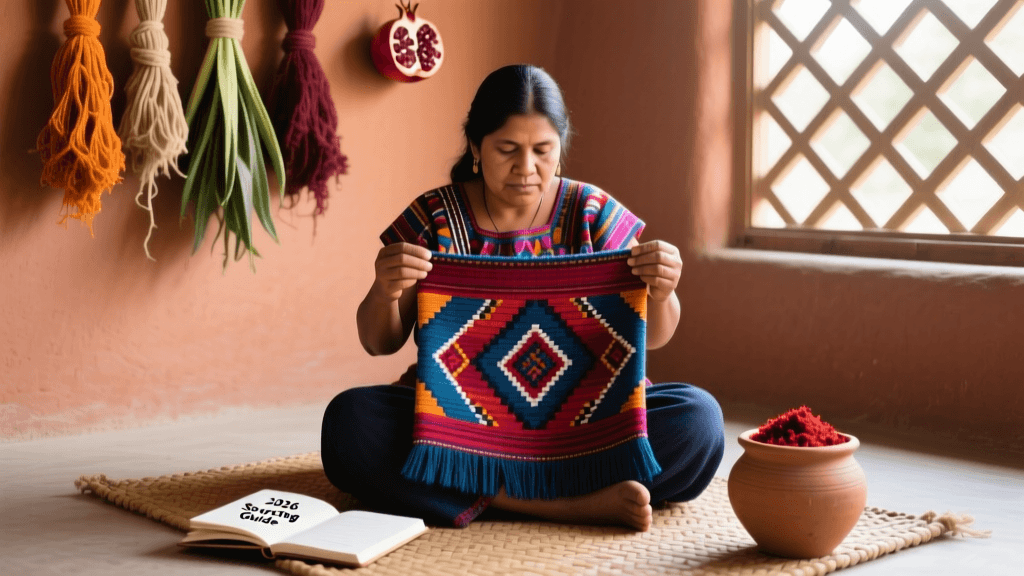
Before evaluating price or authenticity, one must understand how a huipil is constructed. The garment is woven on a backstrap loom, an ancient device where one end is tied to a fixed post and the other is strapped around the weaver's lower back. The weaver's body provides the tension, meaning the width of the fabric is intrinsically linked to the physical reach of the artisan.
A standard daily-use huipil is typically constructed from two or three rectangular panels, known as lienzos. Each panel usually measures between 20 to 24 inches in width and 24 to 30 inches in length. When sewn together, the total width ranges from 40 to 72 inches, creating a loose, comfortable tunic. The panels are joined using a highly decorative, hand-embroidered seam called a randa. In 2026, master weavers are increasingly using the randa not just as a structural necessity, but as a secondary canvas for complex geometric storytelling, often incorporating metallic threads or contrasting silk.
Decoding Regional Styles: Where to Buy What
Guatemala is home to over 20 distinct Maya ethnolinguistic groups, and historically, each municipality had its own specific huipil design, color palette, and motif. While modernization has blurred some of these strict boundaries, regional specialties remain a vital part of the textile economy.
San Juan La Laguna: Natural Dyes and Ikat
Nestled on the shores of Lake Atitlán, San Juan La Laguna is world-renowned for its revival of natural dyeing techniques. Weavers here utilize the jaspe (ikat) method, where threads are tie-dyed before they are placed on the loom, creating a beautiful, blurred, watercolor-like effect. In 2026, the cooperatives in San Juan are celebrated for their strict adherence to organic dyes, using indigo for deep blues, sacatinta (a local mollusk) for purples, and marigolds for vibrant yellows. The motifs heavily feature local flora, fauna, and the surrounding volcanic landscape.
Chichicastenango: Heavy Brocade and Sun Motifs
Chichicastenango hosts one of the largest and most famous open-air markets in the Americas. The traditional K'iche' huipil from this region is characterized by heavy, dense supplementary weft brocade that makes the garment quite weighty. The most iconic motif is the rosette or sun symbol, representing the four cardinal directions and the cyclical nature of time. When shopping in Chichi's Thursday and Sunday markets, buyers will find a mix of vintage ceremonial pieces and modern, slightly simplified daily-wear versions.
Nahualá: Geometric Precision and Deep Indigo
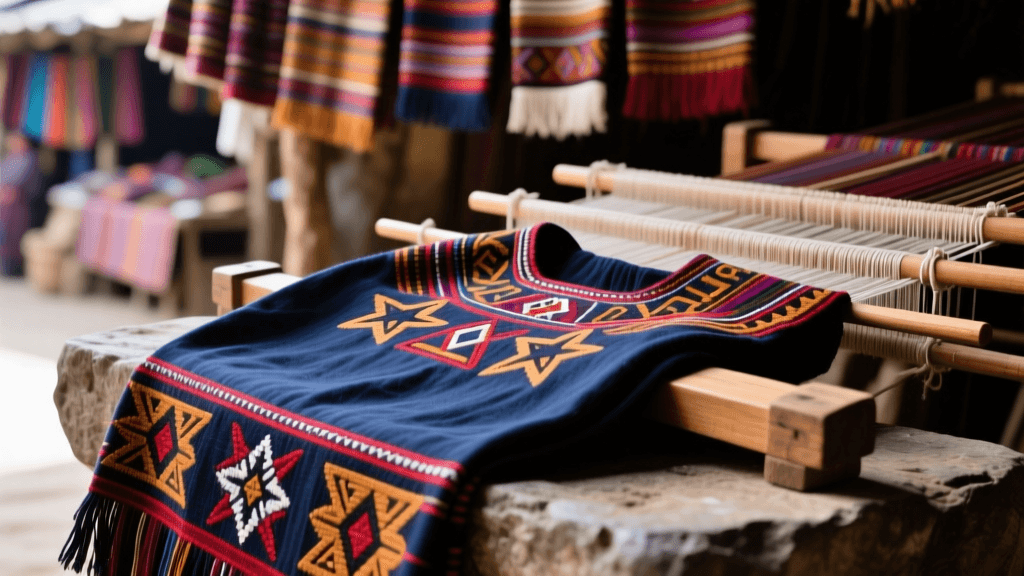
Located in the Sololá department, Nahualá produces some of the most striking and recognizable textiles in the country. The base fabric is often a deep, rich indigo or navy blue, heavily decorated with stark white and bright yellow geometric patterns. The motifs frequently include stylized representations of local wildlife, such as birds and deer, alongside complex diamond shapes that represent the universe. Nahualá huipils are prized by collectors for their bold contrast and structural durability.
San Antonio Aguas Calientes: The Pinnacle of Double-Faced Brocade
For the ultimate connoisseur, San Antonio Aguas Calientes represents the zenith of Guatemalan weaving. This town is famous for its double-faced brocade, a notoriously difficult technique where the woven pattern is identical on both the front and the back of the fabric, leaving no loose threads or 'wrong side.' According to the Museo Ixchel del Traje Indígena, the preservation of this complex technique is a testament to the mathematical genius of Maya weavers, requiring the artisan to memorize and execute hundreds of thread crossings without a written pattern.
2026 Market Pricing and Sourcing Comparison
Pricing authentic handwoven textiles requires an understanding of the labor involved. A single, high-quality huipil can take anywhere from two to six months of daily, back-breaking work to complete. In 2026, with the Guatemalan Quetzal (GTQ) holding at an average exchange rate of roughly 7.7 to 1 USD, fair-trade pricing reflects the true cost of living and artisan expertise. Below is a comparative guide to what you should expect to pay for authentic, newly woven garments directly from weavers or ethical cooperatives.
| Region / Town | Primary Technique | Signature Motif | 2026 Avg Price (USD) | Estimated Weave Time |
|---|---|---|---|---|
| San Juan La Laguna | Jaspe (Ikat) / Natural Dyes | Flora, Fauna, Volcanoes | $180 - $350 | 2 - 3 Months |
| Chichicastenango | Heavy Single-Faced Brocade | Sun Rosettes, Birds | $120 - $250 | 1 - 2 Months |
| Nahualá | Supplementary Weft | Geometric Animals, Stars | $200 - $400 | 3 - 4 Months |
| San Antonio Aguas Calientes | Double-Faced Brocade | Complex Interlocking Geometry | $350 - $700+ | 4 - 6 Months |
Note: Vintage or antique ceremonial huipils (over 30 years old) are priced entirely on condition, rarity, and provenance, often ranging from $500 to over $2,000 USD in specialized galleries.
How to Authenticate Handwoven Textiles
As machine embroidery and power-loom replicas become more sophisticated, knowing how to authenticate a handwoven huipil is a critical skill for buyers in 2026. Use these three practical tests when examining a garment:
- The Selvedge Test: Examine the top and bottom edges (the selvedge) of the fabric. On a backstrap loom, the weaver finishes the edges manually, often resulting in a slightly thicker, rounded, or braided edge that is integral to the fabric. Power-loom fabrics will have a uniform, flat, and often serged or hemmed edge.
- The Brocade vs. Embroidery Test: Turn the garment inside out. True brocade is woven into the fabric on the loom, meaning the pattern will be visible (though sometimes with floating threads) on the reverse side. If the inside is completely blank and the pattern is stitched onto a finished piece of plain cloth, it is surface embroidery, which takes a fraction of the time and commands a much lower price.
- The Tension and Imperfection Test: Hold the fabric up to the light. Handwoven textiles will show microscopic variations in thread tension and slight irregularities in the weave. These 'flaws' are the hallmark of human hands and a backstrap loom. Machine-woven fabrics are mathematically perfect and uniform.
Ethical Sourcing and Where to Buy
The most pressing issue in the Latin American textile market today is economic equity. Historically, middlemen and tourist vendors have purchased huipils from Indigenous weavers for pennies, marking them up by 300% to 500% in urban centers or abroad. In 2026, the most ethical way to purchase is directly from women's weaving cooperatives.
Organizations like Trama Textiles have revolutionized the market by connecting over 400 weavers across various highland communities directly to global consumers. Buying through established cooperatives ensures that the weavers receive a living wage, have access to micro-loans, and retain the intellectual property rights to their ancestral designs. When visiting markets like Chichicastenango, seek out stalls run by the weavers themselves—often identifiable by their traditional dress matching the textiles they are selling—and be prepared to negotiate respectfully, keeping in mind the months of labor invested in the piece.
Caring for Your Backstrap-Woven Garment
An authentic huipil is an investment that, with proper care, can last for generations. Because many modern weavers in regions like San Juan La Laguna use natural, plant-based dyes, harsh chemicals will strip the colors and degrade the cotton fibers.
Always hand-wash your huipil in cold water using a pH-neutral, gentle detergent or a specialized wool and silk wash. Never wring or twist the heavy brocade, as this will warp the tension of the backstrap-woven base. Instead, gently press the water out and roll the garment in a clean, dry towel to absorb excess moisture. Always dry the huipil flat in the shade; direct sunlight will rapidly fade natural indigo and cochineal dyes. When storing, fold the garment with acid-free tissue paper to prevent the heavy brocade threads from creasing and breaking the base cotton over time.
Conclusion
Purchasing a Guatemalan huipil in 2026 is an act of cultural preservation. By understanding the regional distinctions, recognizing the hallmarks of backstrap weaving, and committing to ethical purchasing practices, you ensure that the Maya women who weave the universe into their garments are respected and compensated as the master artisans they truly are.