Ethical Sourcing Guide For Authentic Guatemalan Huipiles 2026
The Enduring Legacy of the Guatemalan Huipil in 2026
The huipil (pronounced wee-peel) is far more than a traditional garment; it is a wearable manuscript of Mayan cosmology, history, and indigenous identity. Worn by women across Mesoamerica for centuries, the Guatemalan huipil remains the most visually striking and culturally significant textile in the Americas. As we navigate the global fashion landscape in 2026, the intersection of sustainable fashion, indigenous intellectual property rights, and artisan empowerment has brought unprecedented attention to these masterpieces of textile art.
However, this surge in global interest has also catalyzed a flood of mass-produced, digitally printed knockoffs that undermine the livelihoods of indigenous weavers. For collectors, cultural enthusiasts, and conscious consumers, understanding how to identify authentic handwoven textiles and source them ethically is paramount. This comprehensive guide will walk you through the regional variations, authentication techniques, and fair-trade sourcing strategies necessary to respectfully acquire a genuine Guatemalan huipil in 2026.
The Mechanics of the Backstrap Loom
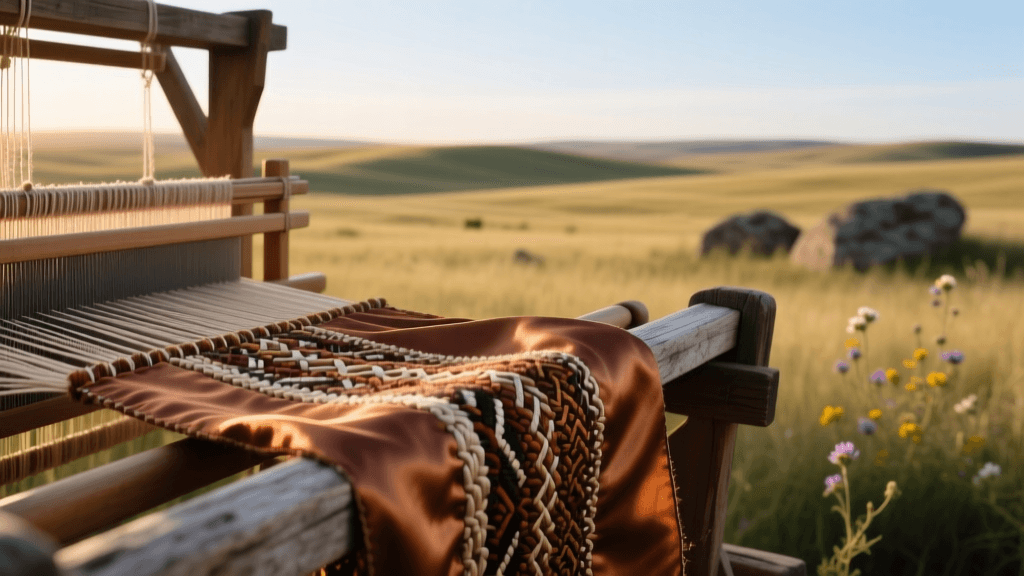
To appreciate the value of a huipil, one must understand its creation. Authentic huipiles are woven on a telar de cintura, or backstrap loom. This pre-Columbian technology consists of a series of wooden rods and sticks, with one end tied to a sturdy post or tree and the other secured around the weaver’s lower back via a leather or woven strap. The weaver’s body becomes an integral part of the loom, controlling the tension of the warp threads through subtle shifts in her posture.
This intimate connection between the artisan and the textile allows for the creation of complex brocado (brocade) patterns. Unlike embroidery, which is stitched onto a finished piece of fabric, brocade is woven directly into the cloth using supplementary weft threads. A single, finely woven huipil can take anywhere from two to six months of continuous daily labor to complete, representing thousands of individual mathematical calculations made by the weaver from memory.
Decoding Regional Brocade Patterns and Cosmology
Guatemala is home to over 20 distinct Mayan ethnolinguistic groups, and the huipil serves as a geographic and cultural identifier. The motifs, color palettes, and structural layouts are deeply tied to specific municipalities. According to the National Museum of the American Indian, these garments act as a visual language that communicates the wearer's village, social status, and spiritual beliefs.
Chichicastenango: The Sun and the Quetzal
The highland market town of Chichicastenango is famous for its rich, vibrant huipiles dominated by deep reds, purples, and yellows. The central motif often features a radiating sunburst surrounding the neck, symbolizing the life-giving power of the sun. You will also frequently see stylized representations of the Quetzal bird, a sacred symbol of liberty and Mayan heritage.
San Juan La Laguna: Diamonds and the Universe
Located on the shores of Lake Atitlán, San Juan La Laguna is renowned for its masterful use of natural dyes, particularly indigo and sacatinta (a deep black/brown). The signature motif here is the diamond, which represents the Mayan conception of the universe. The four points of the diamond correspond to the cardinal directions, while the center represents the weaver's place within the cosmos.
Santa Catarina Palopó: Turquoise and Geometric Fauna
Once known for darker, more subdued tones, the weavers of Santa Catarina Palopó shifted in the late 20th and early 21st centuries to brilliant turquoise, greens, and blues to reflect the waters of Lake Atitlán. Their brocade features intricate geometric animals, including stylized cats, birds, and stars, creating a dense, tapestry-like fabric.
2026 Regional Sourcing and Pricing Guide
When purchasing directly from cooperatives or certified fair-trade vendors in 2026, it is vital to understand the baseline economic value of these garments. Paying below these thresholds often indicates exploitative middlemen or synthetic, machine-made alternatives.
| Region | Dominant Colors | Signature Motifs | 2026 Fair-Trade Base Price (USD) |
|---|---|---|---|
| Chichicastenango | Red, Purple, Yellow | Sunbursts, Quetzal birds | $180 - $280 |
| San Juan La Laguna | Indigo, Earth Tones | Diamonds, Mayan glyphs | $160 - $250 |
| Santa Catarina Palopó | Turquoise, Green | Geometric animals, Stars | $170 - $260 |
| Nebaj (Ixil Triangle) | Pink, Violet, White | Floral, Human figures | $200 - $350 |
How to Authenticate a Handwoven Huipil
In 2026, digital textile printing has become incredibly advanced, allowing manufacturers to replicate the look of Mayan brocade on cheap polyester blends. To ensure you are purchasing an authentic, handwoven garment, employ these four critical authentication steps:
1. The Reversibility Check
True supplementary weft brocade is integrated into the fabric. While the back of the textile will show the 'float' threads (the loose threads carrying the color across the back of the motif), the pattern should still be visible in reverse. If the inside of the garment is completely blank, or if the pattern is merely printed on the surface, it is a machine-made fake.
2. The Selvedge Edge Inspection
A backstrap loom produces fabric with finished, self-bound edges known as selvedges. Run your fingers along the sides of the textile. An authentic huipil will have slightly uneven, tightly woven side edges. Machine-woven fabrics will have uniform, factory-cut edges that are often serged or hemmed to prevent fraying.
3. The Touch and Burn Test
Traditional huipiles are woven from 100% cotton or, in some highland regions, wool blends. Modern knockoffs rely heavily on polyester to cut costs. Cotton feels cool to the touch and has a natural, slightly irregular texture. If the fabric feels overly slick, plastic-like, or generates static electricity, it is synthetic. (Note: Never perform a burn test on a finished garment, but if you have a loose thread, cotton will burn to a soft gray ash, while polyester will melt into a hard plastic bead).
4. Examining the Seams
Because backstrap looms only produce narrow strips of fabric (usually 12 to 18 inches wide), a huipil is constructed by sewing two or three panels together. Look for the central seams. Authentic garments feature hand-stitched joining, often with decorative randa (embroidery) covering the seam. A garment made from a single, wide piece of unbroken fabric is definitively not woven on a traditional loom.
Ethical Sourcing and Fair Trade Economics
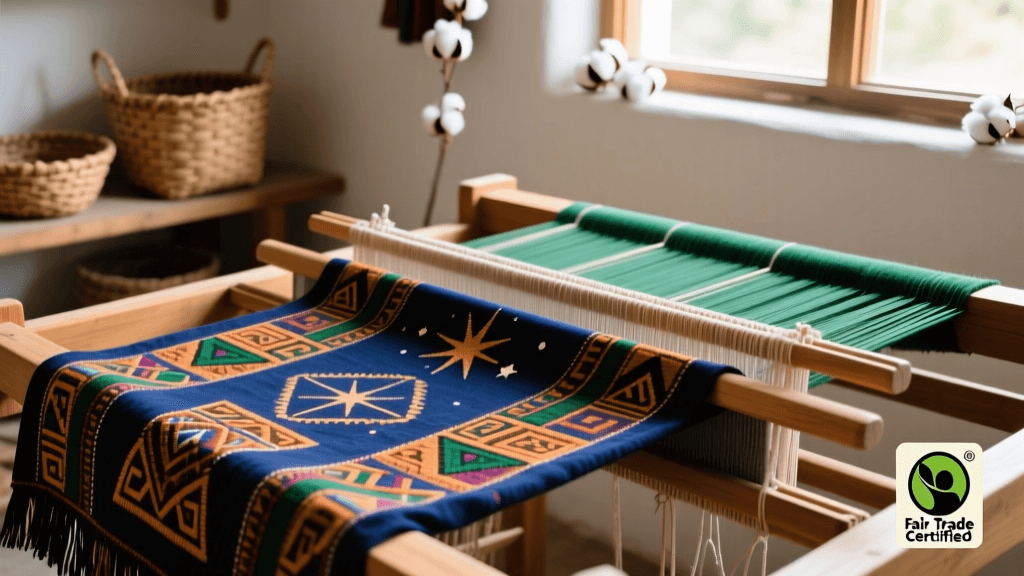
The cultural appropriation of indigenous designs has been a major point of contention throughout the 2020s. In response, the 2026 market has seen a strong pivot toward direct-trade models and cooperative ownership. Organizations like TRAMA Textiles, a women-led weaving cooperative in the Guatemalan highlands, have established frameworks that ensure artisans receive living wages, access to healthcare, and educational funding for their children.
When sourcing a huipil, look for vendors who transparently name the specific municipality and, ideally, the cooperative or individual weaver. The Fair Trade Federation outlines strict principles for equitable compensation, which dictate that pricing must cover not just the raw materials (cotton and dyes), but the immense time investment of the artisan. A huipil priced at $30 in a tourist market is a mathematical impossibility if it is genuinely handwoven; it guarantees that the weaver was paid pennies for weeks of labor, or that the garment is a factory-made counterfeit.
For the most ethical acquisition, purchase directly from indigenous-owned cooperatives, certified fair-trade boutiques, or reputable textile galleries that provide certificates of authenticity detailing the artisan's name, village, and the time taken to weave the piece.
Preservation and Care for Handwoven Cotton
An authentic huipil is an investment in wearable art. Proper care ensures the garment can be passed down through generations.
- Washing: Never machine wash or dry clean a handwoven huipil. The harsh chemicals in dry cleaning can strip natural dyes, while machine agitation will destroy the brocade floats. Hand wash gently in cold water using a pH-neutral, eco-friendly detergent.
- Drying: Do not wring or twist the fabric. Gently press out excess water by rolling the garment in a clean, dry towel. Lay it flat to dry in the shade. Direct sunlight will rapidly fade both synthetic and natural dyes.
- Storage: Store your huipil flat or rolled in acid-free tissue paper in a cool, dry place. Hanging heavy, handwoven textiles for long periods can cause the warp threads to stretch and distort under their own weight.
- Ironing: If pressing is necessary, use a low heat setting and always place a damp cotton pressing cloth between the iron and the textile to protect the raised brocade motifs from being crushed.
Conclusion
The Guatemalan huipil is a testament to the resilience, mathematical genius, and artistic brilliance of Mayan women. By educating yourself on regional patterns, mastering the physical authentication of handwoven textiles, and committing to fair-trade economics, you actively participate in the preservation of this ancient art form. In 2026, wearing or collecting a huipil is not just an aesthetic choice; it is a profound act of cultural respect and economic solidarity with the indigenous communities of the Americas.