Osage & Prairie Ribbon Work Regalia: 2026 Material Guide
The Living Art of Prairie Ribbon Work
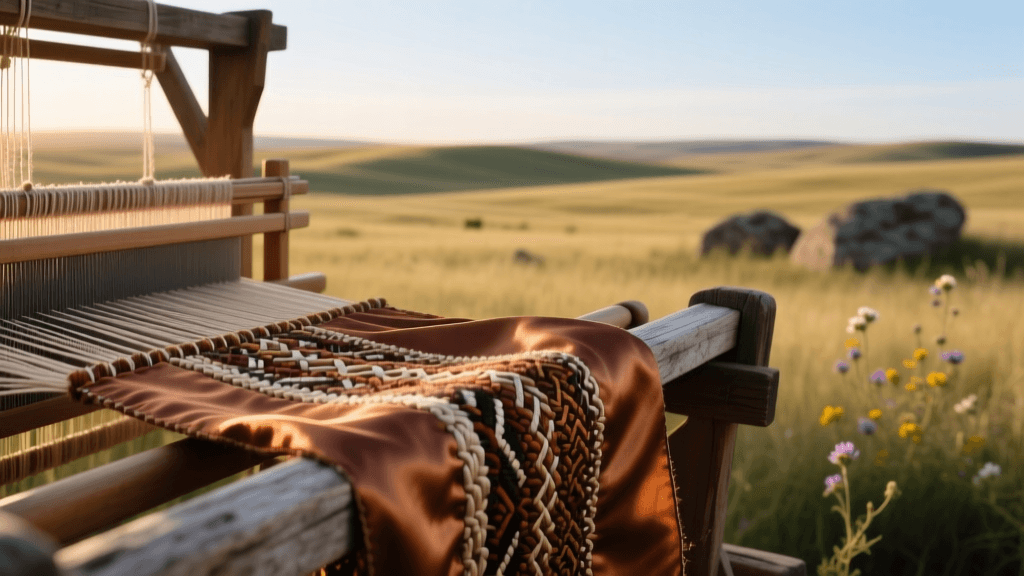
Ribbon work, or silk appliqué, is a defining textile tradition of the Great Lakes, Prairie, and Plains tribes. Originally adapting European silk ribbons during the early fur trade era, Indigenous artists transformed these imported materials into complex, geometric, and deeply symbolic garments. In 2026, this tradition is experiencing a massive renaissance, with a new generation of Indigenous makers blending ancestral patterns with contemporary fashion, high-end regalia, and everyday cultural wear. For artisans, dancers, and cultural preservationists, understanding the nuances of regional styles and sourcing the correct materials in the current 2026 market is essential for creating authentic, durable, and culturally significant garments.
Unlike standard sewing, ribbon work requires a mastery of reverse appliqué, edge-turning, and precise geometric drafting. The garments produced—ranging from dance shawls and leggings to formal ribbon shirts and cradleboard covers—are not merely clothing; they are visual languages that communicate tribal affiliation, clan identity, and personal history. As global textile markets shift in 2026, securing high-quality silks and wools that mimic the weight and drape of historical trade goods has become both a challenge and an art form in itself.
Regional Variations: Osage, Potawatomi, and Myaamia Styles
To source the right materials, one must first understand the distinct regional aesthetics that dictate fabric choice, weight, and color palettes. While the foundational technique of cutting and layering silk remains consistent, the visual outcomes vary dramatically across tribes.
Osage Bold Geometrics
Osage ribbon work is renowned for its striking, bold, and highly symmetrical geometric patterns. Traditional Osage appliqué often utilizes heavy wool broadcloth as a base, layered with wide panels of silk taffeta. The color palettes are historically grounded, frequently employing high-contrast combinations such as deep red and black, or navy and bright green, representing dualities like earth and sky, or day and night. In 2026, Osage makers are increasingly seeking out 16-ounce Melton wool for base garments to ensure the heavy silk appliqué lays flat without puckering during powwow dances and formal community events.
Potawatomi and Myaamia Curvilinear Complexity
Moving into the Great Lakes region, Potawatomi and Myaamia (Miami) ribbon work leans heavily into intricate, curvilinear, and floral motifs. The Myaamia Center at Miami University has been instrumental in the 2026 revitalization of specific diamond, zigzag, and floral patterns that were nearly lost to time. These styles require a much more delicate hand and lighter fabrics. China silk (habotai) and lightweight silk taffeta are preferred here, as the reverse appliqué technique involves cutting away layers to reveal vibrant, contrasting colors beneath. The tight curves and sharp points of Myaamia designs demand fabrics that fray minimally and hold a crisp edge when turned.
2026 Material Sourcing: Silks, Taffetas, and Broadcloths
The global textile market in 2026 has seen significant shifts in silk production, driven by sustainable farming initiatives and new international trade tariffs. For Indigenous artisans, this means the cost of premium silk taffeta has risen, with high-grade, 19-to-22 momme silk taffeta now averaging between $42.00 and $55.00 per yard. However, the quality and longevity of these modern silks are exceptional, offering UV resistance and better dye-fastness than trade silks of the past.
When sourcing materials for Prairie ribbon work, artisans must avoid synthetic polyesters that melt under the iron and refuse to hold a traditional crease. Below is a comprehensive comparison chart of the most sought-after ribbon work fabrics in the 2026 market.
| Material | Weight / Specification | Best Application | 2026 Avg. Price / Yard |
|---|---|---|---|
| Silk Taffeta | 19-22 Momme | Reverse Appliqué, Dance Shawls | $48.00 |
| Wool Broadcloth (Melton) | 16 oz - 20 oz | Base Garments, Leggings, Matchcoats | $42.00 |
| China Silk (Habotai) | 8-10 Momme | Linings, Delicate Accents, Cradle Covers | $22.00 |
| Cotton Sateen | Medium Weight (6 oz) | Practice Pieces, Everyday Dance Regalia | $16.00 |
| Silk Velvet | Heavyweight (22-24 oz) | Osage Wedding Coats, Ceremonial Capes | $85.00 |
Pattern Drafting and Digital Tools in 2026
While ancestral makers relied on folded paper and charcoal to draft symmetrical patterns, the 2026 artisan leverages digital tools to perfect complex geometry before cutting expensive silk. Many contemporary ribbon workers use the latest iPad Pro models paired with Procreate to draft, mirror, and colorize their appliqué templates. This digital-first approach allows makers to experiment with Myaamia floral curves or Osage diamond motifs, adjusting the scale to fit specific garment panels without wasting precious yardage.
Once the digital pattern is finalized, makers print the templates on lightweight tracing paper or use digital cutting machines to precision-cut the silk layers. However, the actual assembly remains a deeply tactile, hand-sewn or machine-guided process that honors the meditative rhythm of the tradition.
Tools of the Trade: Modern Sewing Setups for Heavy Regalia
Sewing through multiple layers of silk taffeta, wool broadcloth, and cotton sateen requires industrial-level precision. Domestic sewing machines often struggle with the thickness of a fully appliquéd ribbon shirt yoke. In 2026, the Janome HD5000 Black Edition and the Juki DNU-1541S industrial walking-foot machines are the gold standards for Indigenous regalia makers.
- Needles: For silk taffeta, Schmetz Microtex (Sharp) needles in size 70/10 are mandatory. They pierce the tightly woven silk without leaving permanent holes or causing runs.
- Thread: 100% silk thread (such as Gutermann Silk) is preferred for hand-appliqué, as it blends seamlessly into the fabric and possesses the exact same tensile strength and shrinkage rate as the garment itself.
- Pressing: A gravity-feed steam iron is non-negotiable. The continuous, heavy steam is required to flatten the turned edges of reverse appliqué and mold the wool broadcloth to the body's contours.
Ethical Sourcing and Supporting Indigenous-Owned Textile Shops
As the demand for authentic Native regalia grows, so does the market for cheap, mass-produced knockoffs. In 2026, ethical sourcing is a paramount concern for the community. Artisans are encouraged to purchase base materials and trade goods from verified Indigenous-owned trading posts and cooperatives. The National Museum of the American Indian frequently highlights the importance of supporting Native economies, ensuring that the wealth generated by cultural arts remains within the community.
When buying wool broadcloth or silk ribbons, look for suppliers who can trace their textiles to ethical mills. Several Native-owned bead and fabric shops in Oklahoma and the Great Lakes region now offer custom-dyed silk taffeta, utilizing natural dyes like osage orange, black walnut, and indigo to recreate the exact, muted color palettes found in 19th-century museum pieces.
Preserving the Tradition: Care and Storage in 2026
Ribbon work garments are substantial financial and cultural investments. Proper archival storage is critical to ensure these pieces survive for future generations. Silk is highly susceptible to ultraviolet degradation and protein-eating pests, while wool broadcloth can easily felt or warp if exposed to moisture.
According to conservation guidelines, regalia should never be stored on wire hangers, which distort the heavy wool shoulders. Instead, garments should be padded with unbuffered, acid-free tissue paper and stored flat in archival-grade textile boxes. Climate control is equally vital; maintaining a relative humidity between 45% and 55% prevents the silk threads from becoming brittle and snapping under the tension of the appliqué stitches. By combining ancestral design knowledge with modern 2026 conservation science, Indigenous makers are ensuring that the vibrant language of Prairie ribbon work continues to speak loudly for centuries to come.