Top Hanfu Certification Programs & Workshops For 2026
The Global Standardization of Hanfu Education in 2026
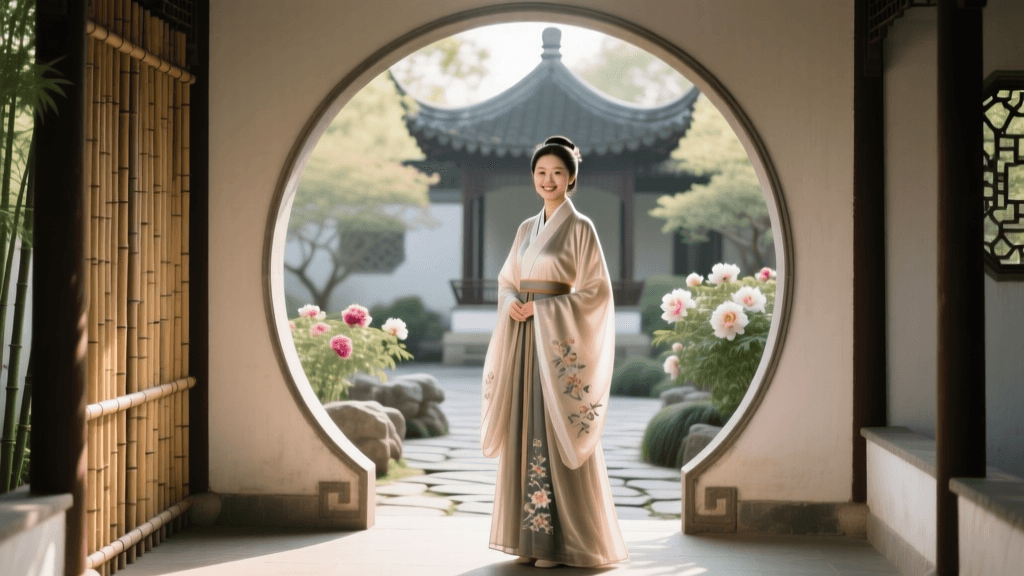
As we navigate through 2026, the global appreciation for traditional Chinese clothing has evolved from a niche internet subculture into a formally recognized educational discipline. The demand for authentic, historically accurate Hanfu instruction has skyrocketed, leading to the establishment of rigorous Hanfu education workshops and instructor certification programs worldwide. Today, cultural institutions, universities, and independent heritage organizations offer structured pathways for enthusiasts to become certified educators, ensuring that the rich sartorial history of the Han Chinese is preserved and taught with academic precision.
Whether you are a textile historian, a fashion educator, or a cultural center director looking to integrate traditional Chinese dress into your curriculum, obtaining a recognized certification is now the industry standard. In 2026, these programs go far beyond basic garment draping; they encompass textile science, dynastic history, traditional loom weaving techniques, and the socio-political context of ancient sumptuary laws. Below, we explore the premier Hanfu certification programs available this year, the core curriculum you can expect, and actionable advice on launching your own educational workshop.
Premier Hanfu Certification Programs for 2026
Choosing the right certification program depends on your geographic location, your preferred learning modality (in-person versus virtual), and your professional goals. Here are the top three accredited pathways for Hanfu instructors in 2026.
1. Beijing Institute of Fashion Technology (BIFT) Heritage Textile Diploma
For those seeking the highest level of academic rigor, the Beijing Institute of Fashion Technology offers an intensive, semester-long Heritage Textile Diploma with a specialization in Hanfu reconstruction. This program is heavily research-oriented, requiring students to analyze excavated textile fragments and historical manuscripts. The 2026 curriculum features a newly integrated module on digital reconstruction, where students use 3D modeling software to simulate the drape and movement of ancient fabrics like Xiangyunsha (gambiered Canton gauze) before attempting physical replication. Graduates receive a diploma that is highly respected in both academic and museum curation circles globally.
2. China Hanfu Network (Zhongguo Hanfu Wang) Instructor Certification
The China Hanfu Network remains the most accessible and widely recognized certification body for community-level educators. Their tiered certification system (Levels 1 through 3) is designed for workshop leaders, cultural ambassadors, and boutique owners. The Level 1 certification focuses on foundational knowledge: distinguishing between the Ruqun, Shenyi, and Aoqun silhouettes, and mastering the basic right-over-left wrapping technique (jiaoling youren). Level 3, the Master Instructor tier, requires candidates to submit a thesis on regional textile variations and pass a rigorous practical exam where they must drape and style a model in period-accurate Ming dynasty formal wear within a strict time limit.
3. Global Hanfu Alliance Virtual Academy
Catering to the international diaspora and global enthusiasts, the Global Hanfu Alliance Virtual Academy offers a fully remote, AR-assisted certification program. Utilizing advanced haptic feedback gloves and augmented reality fitting mirrors, students can virtually 'feel' the weight of Song brocade and practice complex pleating techniques on digital avatars. This program is particularly popular in North America and Europe, where access to physical archives and master weavers is limited. The virtual academy partners with the Ministry of Culture and Tourism of the PRC to ensure all digital assets and historical timelines meet national heritage standards.
Core Curriculum: Mastering the Dynastic Eras
A hallmark of any reputable 2026 Hanfu certification program is its strict adherence to dynastic accuracy. Instructors are trained to avoid anachronistic styling—a common pitfall in early revival movements. The curriculum is generally divided into three major aesthetic pillars, each requiring a deep understanding of the era's unique tailoring and cultural ethos.
| Dynastic Era | Key Garments & Silhouettes | Textile Focus & Aesthetic | Workshop Teaching Module |
|---|---|---|---|
| Tang Dynasty | Qixiong Ruqun, Banbi, Pibo (shawls) | Vibrant silks, bold florals, cosmopolitan influences, high-waisted draping. | Draping the Pibo; achieving structural volume without modern corsetry. |
| Song Dynasty | Beizi (long outer jacket), Song-style Ruqun | Muted tones, pearl embellishments, understated elegance, narrow sleeves. | Precision pleating; minimalist color theory and monochromatic layering. |
| Ming Dynasty | Mamianqun (horse-face skirt), Ao (jacket), Pifeng | Heavy brocades, intricate woven patterns, structured collars, metal buttons. | Constructing the Mamianqun waistband; historical metalwork and fasteners. |
Instructors must also complete a mandatory module on the UNESCO Intangible Cultural Heritage list, specifically focusing on the preservation of traditional sericulture and silk weaving techniques that supply the authentic fabrics required for high-level Hanfu production.
How to Start Your Own Hanfu Education Workshop
Once certified, many educators choose to launch independent workshops. In 2026, a successful Hanfu workshop requires a blend of historical authenticity and modern educational technology. Here is a step-by-step guide to establishing your own program.
Step 1: Sourcing Authentic Teaching Garments
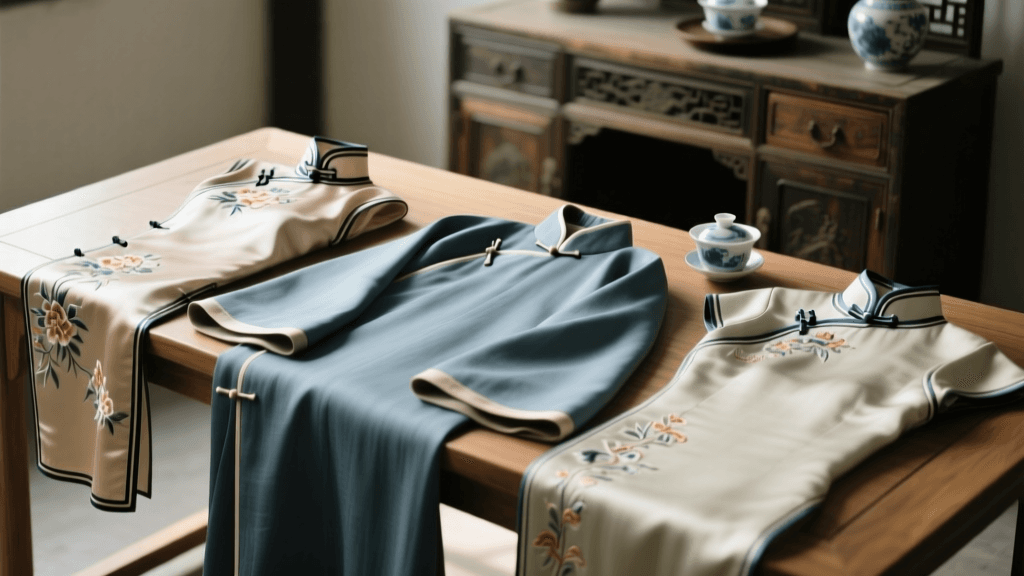
Your workshop's credibility hinges on the quality of your teaching garments. Avoid mass-produced, synthetic 'costume'-grade Hanfu. Instead, build relationships with heritage workshops in Hangzhou and Suzhou. For a starter teaching wardrobe, you will need at least three complete sets (Tang, Song, Ming) in standard sizes, plus a variety of unsewn fabric bolts to demonstrate weaving patterns. Budget approximately $2,500 to $4,000 for a high-quality, authentic teaching collection featuring genuine mulberry silk and traditional plant dyes.
Step 2: Integrating 2026 Ed-Tech
Modern students expect interactive learning. Top-tier workshops in 2026 utilize smart-fabric scanners that allow students to scan a garment's hem and instantly pull up historical manuscripts, excavation photos, and loom diagrams on their tablets. Additionally, investing in a digital loom simulator helps students understand the painstaking process of creating Kesi (cut silk) tapestry before they attempt physical weaving.
Step 3: Marketing and Community Partnerships
Position your workshop not merely as a fashion class, but as a historical and cultural seminar. Partner with local university East Asian Studies departments, museum education boards, and botanical gardens (for traditional dyeing demonstrations). Offering specialized weekend retreats that combine Hanfu styling with traditional tea ceremonies and Guqin music can significantly increase your profit margins and attract high-paying adult learners.
Financial Breakdown: Costs and Earning Potential
Understanding the economics of Hanfu education is crucial for prospective instructors. The table below outlines the average costs associated with certification and the potential revenue streams for independent workshop operators in 2026.
| Expense / Revenue Category | Estimated Cost / Earnings (USD) | Notes & Variables |
|---|---|---|
| Level 1 Certification Tuition | $450 - $800 | Includes digital materials, basic exam fees, and starter fabric swatch kit. |
| Master Instructor (Level 3) Tuition | $1,800 - $3,500 | Requires in-person attendance, advanced materials, and thesis defense. |
| Workshop Space Rental (Monthly) | $1,200 - $3,000 | Varies heavily by city; look for heritage-style studios or cultural centers. |
| Revenue: Beginner Styling Class | $60 - $95 per student | Typically a 3-hour weekend seminar; high volume, lower margin. |
| Revenue: Intensive Textile Masterclass | $400 - $650 per student | Multi-day deep dive into weaving, dyeing, and historical construction. |
Final Thoughts on the Future of Hanfu Education
The professionalization of Hanfu education marks a significant milestone in the global appreciation of Asian traditions. By pursuing formal certification and adhering to rigorous historical standards, instructors in 2026 are doing more than teaching people how to wear beautiful clothes; they are acting as vital custodians of intangible cultural heritage. Whether you choose the academic route through institutions like BIFT or the community-focused path via the China Hanfu Network, the skills you acquire will empower you to share the profound elegance and deep history of traditional Chinese dress with the world. As the industry continues to grow, certified educators will remain at the forefront, guiding the next generation of enthusiasts with accuracy, respect, and unparalleled expertise.