Japanese Kimono Formality Guide 2026: Furisode, Tomesode & Komon
The Renaissance of Japanese Garments in 2026
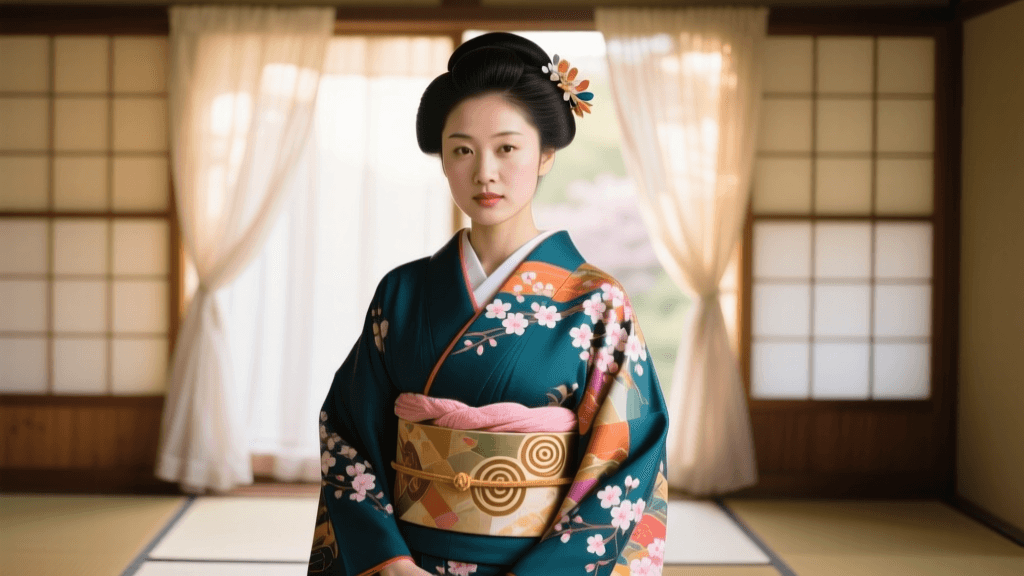
The world of traditional Japanese garments is a meticulous intersection of art, history, and social etiquette. As we navigate the fashion landscape of 2026, the kimono remains a powerful symbol of cultural heritage, experiencing a global renaissance driven by sustainable textile practices and a renewed interest in slow fashion. However, wearing a kimono is not merely about draping beautiful silk; it requires a deep understanding of kitsuke (the art of dressing) and strict adherence to formality levels. Whether you are attending a modern tea ceremony in Kyoto, a wedding in Tokyo, or a summer festival in Osaka, selecting the correct garment type is paramount. This comprehensive guide explores the hierarchy of Japanese kimono types, ensuring your sartorial choices are both culturally respectful and aesthetically flawless in 2026.
Understanding the TPO Principle in Modern Kitsuke
At the heart of kimono styling is the TPO principle: Time, Place, and Occasion. In 2026, while contemporary fashion often blurs the lines of dress codes, traditional Japanese garment etiquette remains steadfastly rooted in TPO. The formality of a kimono is determined by several factors: the presence and number of kamon (family crests), the type of silk weave (such as rinzu satin or tsumugi pongee), the dyeing technique (like yuzen or shibori), and the accompanying accessories, particularly the obi (sash). According to cultural preservation guidelines outlined by Japan's Agency for Cultural Affairs, maintaining these distinctions is vital for preserving the intangible cultural heritage associated with Japanese textile arts.
Furisode: The Pinnacle of Unmarried Women's Formal Wear
The Furisode is the most formal kimono for unmarried women, instantly recognizable by its long, swinging sleeves that typically measure between 100 and 114 centimeters in length. Historically, the swinging sleeves were believed to ward off evil spirits and express romantic interest. Today, the Furisode is the undisputed garment of choice for Seijin no Hi (Coming of Age Day), university graduation ceremonies, and attending weddings as a close, unmarried relative of the bride or groom.
In 2026, we are seeing a massive shift toward sustainably sourced silk and eco-friendly yuzen dyes for Furisode garments. The patterns are typically vibrant, covering the entire garment in an eba-moyo (continuous picture pattern) that flows seamlessly across the seams. A Furisode must always be paired with a highly formal fukuro obi (a brocade sash) tied in elaborate styles such as the fukura-suzume (sparrow) or tateya (standing arrow) knots. Footwear should consist of high-quality zori sandals with brocade straps, worn with pristine white tabi socks.
Tomesode: The Married Woman's Black-Tie Equivalent
For married women, the Tomesode represents the highest level of formality, equivalent to a Western black-tie evening gown or a formal morning suit. There are two distinct types: Kurotomesode (black) and Irotomesode (colored). The Kurotomesode is strictly reserved for married women and is worn exclusively by the closest relatives of the bride and groom at weddings. It features a solid black background with a magnificent susomoyo (hem pattern) that flows continuously across the lower half of the garment.
The formality of a Tomesode is heavily dictated by its kamon. A Kurotomesode will always feature five family crests (one on the back, two on the chest, and two on the outer sleeves). Irotomesode, which features a colored background instead of black, can have one, three, or five crests, making it slightly more versatile. It can be worn by both married and unmarried women to celebrate auspicious occasions like the birth of a child or a significant anniversary. The Metropolitan Museum of Art's Asian Art Department notes that the evolution of these crest placements dates back to the Edo period, serving as a visual language of social standing that persists in modern ceremonial wear.
Houmongi and Tsukesage: The Versatile Semi-Formal Choices
When the occasion calls for elegance but not the utmost strictness of a Tomesode, the Houmongi and Tsukesage step in as the workhorses of the semi-formal kimono wardrobe. The Houmongi (visiting wear) is characterized by its continuous eba-moyo pattern that spreads across the seams, shoulders, and hem. It is appropriate for both married and unmarried women and is the perfect choice for attending tea ceremonies, formal dinners, or visiting a shrine for the New Year.
The Tsukesage is slightly less formal than the Houmongi. Its patterns are applied to the fabric in a way that they do not cross the seams, generally radiating upward from the hem and downward from the shoulders. In 2026, the Tsukesage has become incredibly popular among younger generations who appreciate its subtle elegance and lower price point compared to the Houmongi. Both garments are typically paired with a fukuro obi or a high-grade nagoya obi, depending on the exact prestige of the event.
Komon and Yukata: Everyday and Casual Elegance
For daily wear, casual outings, and street fashion, the Komon and Yukata are the garments of choice. The Komon is characterized by a small, repeating pattern that covers the entire fabric. A highly prized sub-category is the Edo Komon, which features microscopic, stencil-dyed dots that appear solid from a distance but reveal intricate geometric patterns up close. Komon are perfect for casual lunches, theater visits, or shopping trips in districts like Harajuku or Gion.
The Yukata is the ultimate summer garment. Originally a cotton bathrobe used in onsen (hot spring) towns, it has evolved into the standard attire for summer fireworks festivals (hanabi) and bon odori dances. Unlike silk kimonos, Yukata are worn without a nagajuban (under-kimono) and are paired with a simple, narrow hanhaba obi and wooden geta sandals. In 2026, contemporary Yukata designs heavily feature bold, graphic prints and innovative cooling-technology cotton blends to combat rising summer temperatures.
The Essential Role of the Haori and Juban
No kimono ensemble is complete without its foundational layers and outerwear. The nagajuban is the under-kimono that protects the delicate outer silk from sweat and oils, with only its collar (han-eri) visible at the neckline. In 2026, washable synthetic and breathable bamboo-blend nagajuban have revolutionized kimono care, making the garments much more accessible for beginners.
The Haori is a traditional hip- or thigh-length jacket worn over the kimono. Originally a male garment, it was adopted by women in the modern era and is now a staple for both genders. A Haori adds an extra layer of formality and warmth. For casual wear, modern stylists in 2026 frequently pair vintage, upcycled Haori jackets with Western clothing, such as tailored trousers or denim, showcasing the incredible adaptability of Japanese traditional garments in global streetwear.
Comparison Chart: Kimono Types by Formality and Occasion
| Garment Type | Formality Level | Target Demographic | Key Identifying Features | 2026 Est. Rental Cost (JPY) |
|---|---|---|---|---|
| Furisode | Ultra-Formal | Unmarried Women | Long sleeves (100-114cm), full-body continuous patterns | ¥25,000 - ¥50,000 |
| Kurotomesode | Ultra-Formal | Married Women | Black background, 5 crests, hem-only patterns | ¥20,000 - ¥40,000 |
| Houmongi | Semi-Formal | All Women | Continuous patterns crossing the seams, elegant motifs | ¥12,000 - ¥25,000 |
| Tsukesage | Semi-Formal | All Women | Patterns do not cross seams, upward/downward flow | ¥10,000 - ¥20,000 |
| Komon | Casual | All Women | Small, repeating all-over patterns | ¥5,000 - ¥10,000 |
| Yukata | Very Casual | All Genders | Cotton/linen blend, no under-layer required, summer wear | ¥3,000 - ¥7,000 |
Sourcing Authentic Garments and 2026 Pricing
Acquiring a kimono in 2026 offers multiple pathways, from high-end bespoke tailoring to thriving second-hand markets. For those seeking brand-new, custom-tailored silk garments, a visit to Kyoto's Nishijin textile district or Tokyo's Nihonbashi department stores is essential. Expect to pay upwards of ¥350,000 to ¥1,500,000 for a complete, high-quality Furisode or Tomesode ensemble, including the obi, undergarments, and accessories.
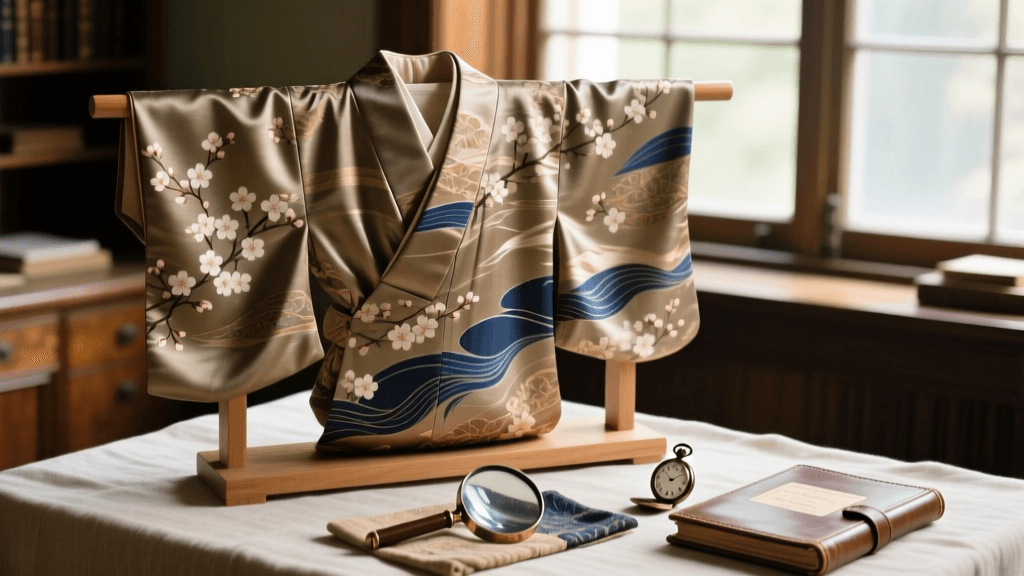
However, the most dynamic sector of the 2026 kimono market is the vintage and upcycled space. Platforms specializing in recycled silk have made authentic, mid-century Showa-era kimono accessible for as little as ¥5,000 to ¥15,000. When purchasing vintage, it is crucial to check for shimi (stains) and ensure the silk has not suffered from dry rot. For tourists and casual wearers, the rental market remains highly robust, with full dressing services (including hair styling and kitsuke) available in major cultural hubs for the prices listed in the table above.
Conclusion: Preserving the Art of Dressing
Navigating the intricate rules of Japanese kimono formality may seem daunting, but it is ultimately a rewarding journey into one of the world's most sophisticated textile traditions. Whether you are binding a silk Fukuro obi for a wedding or slipping into a breathable cotton Yukata for a summer evening, understanding the distinctions between Furisode, Tomesode, and Komon ensures that you honor the garment's history. As the global appreciation for traditional Asian garments continues to grow in 2026, wearing these pieces with knowledge and respect bridges the gap between ancient craftsmanship and modern cultural celebration.