The Ultimate 2026 Guide to Japanese Kimono and Yukata Types
The 2026 Renaissance of Japanese Traditional Garments
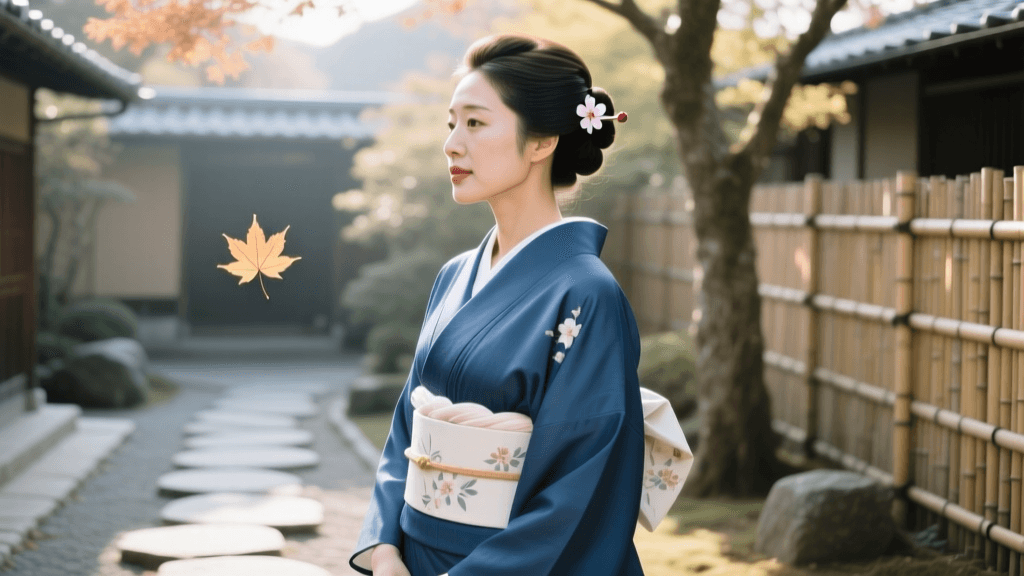
As we move through 2026, the global appreciation for Japanese traditional garments has evolved from mere historical fascination into a vibrant, living fashion movement. Whether you are attending a summer matsuri (festival) in Kyoto, participating in a formal tea ceremony, or simply integrating heritage textiles into your modern wardrobe, understanding the nuanced hierarchy of Japanese clothing is essential. According to the Victoria and Albert Museum, the kimono is not merely a garment but a canvas that reflects the wearer's age, marital status, the formality of the occasion, and the precise season. This comprehensive guide will walk you through the definitive types of Japanese garments, essential accessories, and the latest 2026 fabric innovations, helping you build an authentic and versatile wardrobe.
The Anatomy of Tradition: The Tanmono System
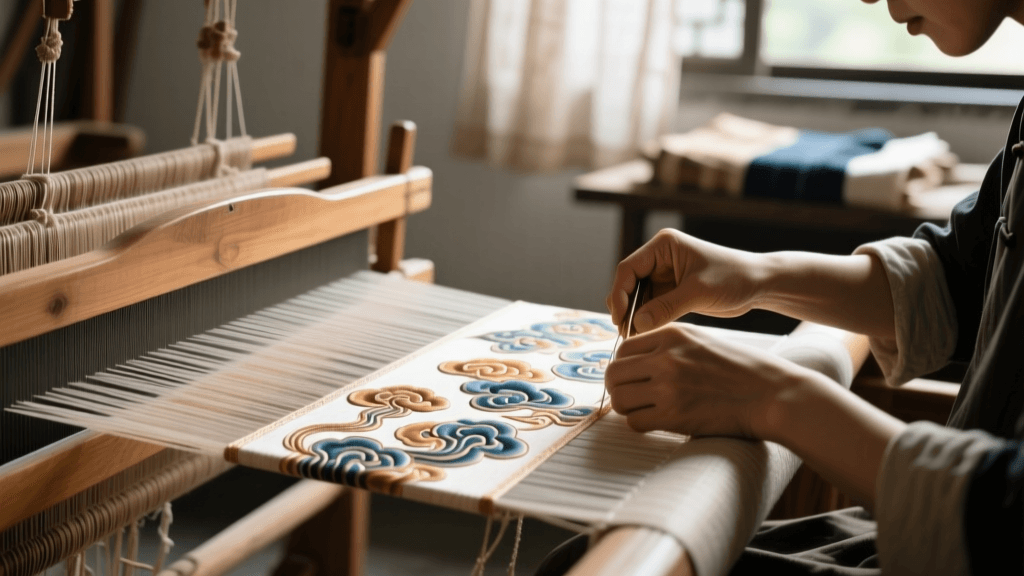
Before diving into specific garment types, it is crucial to understand how Japanese garments are constructed. Unlike Western tailoring, which cuts fabric into curved shapes to fit the body's contours, traditional Japanese garments are cut from a single bolt of fabric known as a tanmono. This bolt is typically about 36 centimeters wide and 11.5 meters long. The fabric is cut into straight rectangular panels and sewn together with minimal waste. This straight-line cutting method not only preserves the integrity of the textile's woven or dyed patterns but also allows the garment to be easily taken apart for cleaning, re-dyeing, or resizing—a sustainable practice that resonates deeply with the eco-conscious fashion movements of 2026.
The Hierarchy of Japanese Garments
The Japanese wardrobe is strictly categorized by formality, dictated by fabric type, pattern placement, sleeve length, and the presence of family crests (kamon). Here is the definitive breakdown of the primary garment types you will encounter today.
Yukata: The Casual Summer Staple
The yukata is the most accessible and widely recognized Japanese garment globally. Originally worn as a bathrobe by the nobility during the Heian period, it has evolved into the quintessential summer festival wear. Made from breathable cotton or modern moisture-wicking hemp blends, the yukata is unlined and worn directly over undergarments. In 2026, contemporary yukata designs frequently feature bold, graphic prints alongside traditional morning glory and firefly motifs. It is paired with a simple hanhaba (half-width) obi and wooden geta sandals.
Komon: Everyday Elegance
Translating to "small pattern," the komon is the workhorse of the kimono wardrobe. It features a repeating pattern that covers the entire garment, with no directional flow. Because the pattern is informal, komon are perfect for casual outings, shopping, or casual dining. Vintage silk komon from the mid-20th century are highly sought after in 2026's sustainable fashion markets, often repurposed or worn with modern, contrasting obi to create a striking, eclectic look.
Tsukesage and Houmongi: Semi-Formal to Formal
Stepping up the formality ladder, we find the tsukesage and houmongi. Both feature patterns that flow across the seams, but they differ in execution. A tsukesage has patterns that are dyed or embroidered primarily on the lower half and the outer sleeves, offering a modest, semi-formal aesthetic suitable for tea ceremonies or school graduations. The houmongi (visiting wear), however, features an eba pattern—a continuous, painted-like design that stretches seamlessly across the back, sleeves, and hem when the kimono is laid flat. According to the Metropolitan Museum of Art, the houmongi is the ultimate versatile formal garment for both married and unmarried women, appropriate for weddings, galas, and high-level cultural events.
Furisode and Tomesode: The Pinnacle of Formality
The furisode is characterized by its dramatically long, swinging sleeves (tamoto), which can measure up to 114 centimeters in length. It is the most formal kimono for unmarried women, traditionally worn during the Coming of Age Day (Seijin no Hi) and by bridesmaids. Conversely, the kurotomesode (black with patterns only below the waist) and erotomesode (colored with patterns below the waist) are the most formal garments for married women. These garments always feature one to five family crests and are reserved for the most prestigious occasions, such as attending a close relative's wedding.
2026 Comparison Chart: Formality, Fabric, and Cost
To help you navigate your purchasing or rental decisions in 2026, refer to the structured comparison below. Prices reflect the current market for high-quality, newly tailored silk garments from established artisans in Kyoto and Tokyo, as well as premium modern washable alternatives.
| Garment Type | Formality Level | Primary Fabric (2026) | Sleeve Length (Tamoto) | Avg. Retail Price (USD) |
|---|---|---|---|---|
| Yukata | Casual | Cotton, Hemp, Washable Poly | Standard (approx. 49cm) | $80 - $350 |
| Komon | Informal / Everyday | Silk, Washable Silk Blends | Standard (approx. 49cm) | $400 - $1,200 |
| Tsukesage | Semi-Formal | Crepe Silk (Chirimen) | Standard (approx. 49cm) | $1,500 - $3,500 |
| Houmongi | Formal | Crepe Silk, Rinzu (Satin) | Standard (approx. 49cm) | $2,500 - $6,000+ |
| Furisode | Highly Formal (Unmarried) | Heavy Silk, Gold Leaf Accents | Long (approx. 100-114cm) | $4,000 - $10,000+ |
Essential Accessories: Completing the Silhouette
A kimono is never worn alone; it is a composite art form requiring several specific accessories, collectively known as kituske (dressing) items.
- The Obi: The sash that secures the kimono. For formal wear, a fukuro obi (a long, heavily brocaded sash) is required. For everyday komon or yukata, a nagoya obi (pre-folded and sewn for easier tying) or a hanhaba obi (casual half-width) is used.
- Obijime and Obiage: The obijime is a decorative braided cord tied over the center of the obi knot, while the obiage is a silk scarf-like cloth that peeks out from the top of the obi, hiding the structural padding underneath. In 2026, contrasting neon obijime paired with vintage pastel kimonos are highly trending among younger demographics in Harajuku and Kyoto.
- Tabi and Zori: Tabi are split-toe socks, traditionally white for formal wear and patterned or black for casual wear. Zori are formal sandals made of vinyl, leather, or brocade, whereas geta are elevated wooden clogs strictly reserved for yukata.
Seasonal Rules and 2026 Climate Adaptations
Japanese traditions are deeply intertwined with the changing of the seasons, and the wardrobe strictly follows a calendar based on the garment's lining.
Awase (Lined): Worn from October through May. These kimonos have an inner layer of silk or synthetic lining for warmth.
Hitoe (Unlined): Traditionally worn only in June and September. However, due to shifting global climate patterns and warmer autumns experienced in recent years, the hitoe has become a staple for a much longer portion of the year in 2026, offering a breathable, lightweight silk option without the sheer transparency of summer wear.
Ro and Sha (Sheer): Reserved strictly for the peak heat of July and August. These are woven with intentional gaps in the threads to allow maximum airflow. Wearing a sheer ro kimono in September is considered a major faux pas in traditional circles, as it visually evokes the chill of autumn.
"The beauty of the kimono lies not just in its silk, but in its dialogue with nature. To wear a maple leaf motif in spring, or a sheer fabric in autumn, is to break the poetry of the garment." — Traditional Kyoto Textile Artisan Proverb
Sourcing and Caring for Your Garments Today
The maintenance of traditional Japanese garments has historically been a labor-intensive process known as arai-hari, where the kimono is entirely unstitched, washed as flat panels of tanmono, stretched, and resewn. While this artisanal service still exists in specialized Kyoto workshops, the 2026 market has seen a massive surge in high-quality senpaku (washable) silks and advanced recycled polyester blends. These modern textiles mimic the drape and luster of chirimen silk crepe but can be gently machine-washed and air-dried, making kimono ownership vastly more accessible to international enthusiasts.
For those seeking authentic vintage pieces, online auction houses and specialized curators in Tokyo's Otsuka and Kyoto's Shichi-jo districts offer incredible pre-war and mid-century silk komon and houmongi. When purchasing vintage, always inspect the hiyake (sun fading) on the shoulders and check for structural weakness along the straight seams. Whether you are investing in a bespoke 2026 washable silk komon or inheriting a Showa-era furisode, understanding these foundational types ensures you honor the rich, enduring legacy of Japanese textile arts.