Everyday Saenghwal vs Ceremonial Hanbok: 2026 Buyer Guide
The Evolution of the Hanbok in 2026
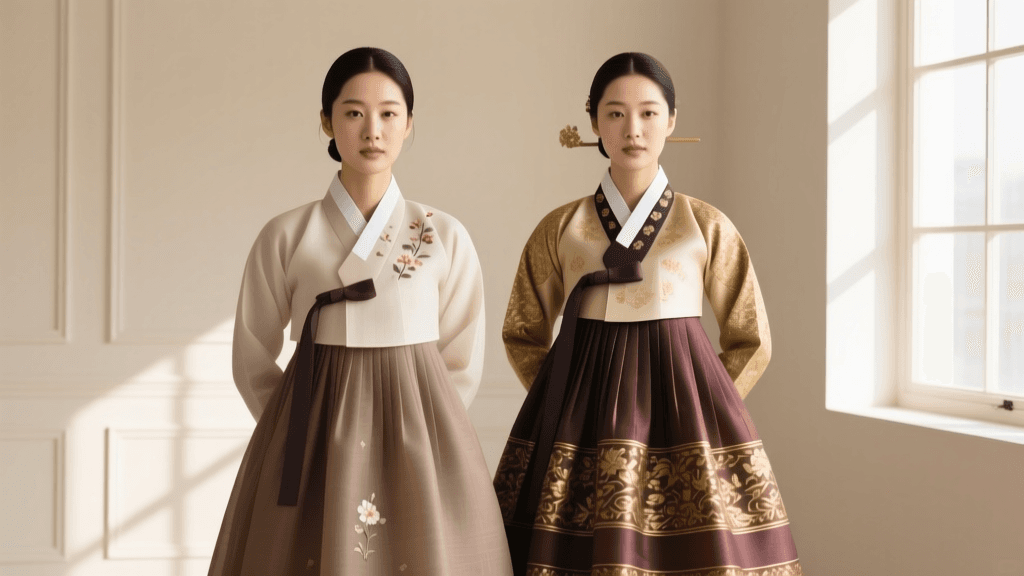
The hanbok, Korea’s iconic traditional garment, has experienced a remarkable renaissance over the last decade. As we navigate 2026, the market is distinctly divided into two thriving categories: the modernized, practical Saenghwal Hanbok (everyday hanbok) and the historically preserved Hollyebok or Myeongjeol Hanbok (ceremonial and holiday wear). Understanding the structural, material, and stylistic differences between these two categories is essential for anyone looking to invest in Korean traditional dress today. Whether you are attending a formal Pyebaek (traditional wedding ceremony) or simply want to incorporate elegant Korean silhouettes into your daily wardrobe, this comprehensive 2026 guide will help you make an informed decision.
The Everyday Saenghwal Hanbok (생활한복)
The Saenghwal Hanbok translates directly to 'living' or 'everyday' hanbok. Designed to bridge the gap between historical aesthetics and the practicalities of modern urban life, this category has exploded in popularity. In 2026, the Saenghwal market is defined by its emphasis on comfort, machine-washability, and versatile styling.
Fabrics and Construction
Unlike traditional ceremonial garments, everyday hanbok relies heavily on cotton, linen, hemp, and advanced polyester blends. These materials are chosen for their breathability and ease of care. The jeogori (jacket) is often tailored with subtle modern darts for a closer fit, and designers frequently integrate hidden side pockets into the chima (skirt) or baji (trousers). The traditional voluminous petticoats (sokchima) are replaced with streamlined, lightweight slips or built-in A-line structuring that prevents tripping on public transit or crowded streets.
2026 Styling Trends and Pricing
In 2026, the most prominent styling trend involves pairing a cropped, pastel-toned Saenghwal jeogori with high-waisted wide-leg denim or tailored trousers, completely omitting the traditional skirt for a fusion look. Footwear has also shifted; while traditional kkotsin (embroidered shoes) are reserved for photoshoots, everyday wearers now pair their hanbok with minimalist leather loafers or clean white sneakers. As of early 2026, a high-quality, ready-to-wear Saenghwal set crafted from premium organic cotton blends retails between $130 and $280 USD, making it an accessible entry point for international buyers and local enthusiasts alike.
The Ceremonial Hollyebok and Myeongjeol Hanbok
On the other end of the spectrum is the ceremonial hanbok, encompassing Hollyebok (wedding attire) and Myeongjeol Hanbok (garments worn during major lunar holidays like Seollal and Chuseok). These garments are meticulously constructed to adhere to historical precedents, prioritizing opulence, symbolism, and formal etiquette over daily convenience.
Luxurious Materials and Embellishments
Ceremonial hanbok is crafted from luxurious, high-maintenance fabrics such as myeongju (woven silk), mosi (fine ramie), and rich brocades. According to the National Folk Museum of Korea, the structural evolution of the hanbok has always been closely tied to the social status and ceremonial duties of the wearer, a tradition that modern ceremonial garments still honor. Formal skirts are floor-length and require multiple layers of petticoats to achieve the signature bell-like silhouette. The jeogori is often adorned with geumbak (hand-pressed gold or silver leaf) featuring auspicious motifs like peonies, cranes, or dragons, which symbolize longevity, prosperity, and marital harmony.
Accessories and Layering
A true ceremonial look is incomplete without its traditional accessories. This includes the norigae (an ornamental pendant tied to the goreum or jacket ties), the daenggi (a braided silk hair ribbon), and the durumagi (a formal overcoat worn outdoors). For brides, the elaborate jokduri (coronal) and hwagwan (floral crown) remain essential elements in 2026 wedding ceremonies, maintaining a direct visual link to the Joseon Dynasty.
Men's Hanbok: Everyday Baji vs. Formal Durumagi
While women's hanbok often dominates visual media, men's traditional wear has also seen a significant 2026 revival. Everyday men's hanbok features relaxed baji (baggy trousers) tied at the ankle with daenim (ankle bands), paired with a simple cotton jeogori. For ceremonial occasions, men layer a durumagi overcoat—often in deep hues like navy, charcoal, or maroon—and may wear a gat (traditional horsehair hat) for highly formal ancestral rites (jesa). Modern 2026 menswear brands are now experimenting with wool-blend durumagi that offer the warmth and structure of a modern overcoat while retaining the traditional silhouette.
Head-to-Head Comparison: Saenghwal vs. Ceremonial
To help you decide which garment suits your needs, refer to the comprehensive comparison table below:
| Feature | Everyday Saenghwal Hanbok | Ceremonial Hollyebok / Myeongjeol |
|---|---|---|
| Primary Fabrics | Cotton, Linen, Hemp, Poly-blends | Silk (Myeongju), Ramie (Mosi), Brocade |
| Skirt Length (Chima) | Midi to Calf-length (for mobility) | Floor-length, sweeping the ground |
| Embellishments | Minimal; subtle embroidery or prints | Heavy Geumbak (gold leaf), intricate weaving |
| Layering | Single layer or lightweight built-in slip | Multiple petticoats (Sokchima), overcoats |
| Maintenance | Machine washable (gentle cycle) or hand wash | Specialized dry cleaning only |
| 2026 Price Range (USD) | $130 - $280 | $450 - $2,500+ |
| Best Occasions | Cafes, travel, casual gatherings, daily wear | Weddings, Chuseok, Seollal, formal rites |
Practical Sizing and Tailoring Guide for 2026
Buying a hanbok requires understanding a different set of measurements compared to Western clothing. The fit of the jeogori is not determined by bust or chest size, but rather by the hwa-jang (the measurement from the base of the neck, over the shoulder, down to the wrist) and the git (collar) width.
- Hwa-jang (Sleeve Length): Crucial for ensuring the sleeves drape elegantly over the hands without swallowing the fingers. In 2026, many Seoul-based boutiques utilize 3D body scanning to achieve millimeter-perfect hwa-jang measurements for custom orders.
- Chima-jang (Skirt Length): Measured from the underbust (where the skirt ties) to the desired hemline. For everyday wear, subtract 10-15 cm from your full floor-length measurement to prevent tripping.
- Baji-jang (Trouser Length): Measured from the natural waist to the ankle bone. Remember that traditional trousers are meant to blouse over the ankle bands.
If you are ordering internationally, always provide your underbust, natural waist, and shoulder-to-wrist measurements in centimeters, as Korean tailors primarily use the metric system.
Care, Maintenance, and Storage
The longevity of your garment depends entirely on proper care. The Metropolitan Museum of Art's Asian Art collection highlights the historical significance and fragility of traditional silk weaving techniques, underscoring why modern ceremonial silks demand meticulous care.
Washing Everyday Hanbok
Cotton and linen Saenghwal hanbok should be washed in cold water on a delicate cycle using a neutral pH detergent. Never use bleach or fabric softeners, as they break down natural fibers and cause the stiff collars (git) to lose their shape. Always air dry in the shade; direct sunlight will fade the vibrant dyes rapidly.
Preserving Ceremonial Silk
Ceremonial silk must never be washed with water. Water will cause the silk to shrink, warp, and ruin the delicate geumbak gold leaf. Always take ceremonial garments to a dry cleaner who specializes in traditional textiles. When storing, wrap silk hanbok in acid-free tissue paper or unbleached cotton cloths (bojagi). Avoid plastic garment bags, which trap moisture and promote mildew growth. Store the garments flat in a cedar chest or a cool, dark closet to prevent permanent creasing.
"The beauty of the hanbok lies in its ability to adapt. While the ceremonial garments anchor us to our ancestral roots and formal etiquettes, the everyday Saenghwal hanbok proves that our heritage is a living, breathing part of our daily modern identity." — Cultural preservation initiatives detailed by Korea.net emphasize this dual approach to sartorial heritage.
Conclusion
As 2026 unfolds, the dichotomy between the everyday Saenghwal hanbok and the ceremonial Hollyebok offers a beautiful spectrum of choice for consumers. The Saenghwal hanbok invites you to wrap yourself in the gentle curves and elegant lines of Korean history while running errands or meeting friends. Conversely, the ceremonial hanbok demands reverence, offering a transformative experience during life’s most significant milestones. By understanding the distinct fabrics, pricing, and care requirements of each category, you can confidently invest in pieces that honor Korean tradition while perfectly suiting your contemporary lifestyle.