Everyday Saenghwal Hanbok vs Ceremonial Wear: 2026 Guide
The Evolution of Korean Dress in 2026
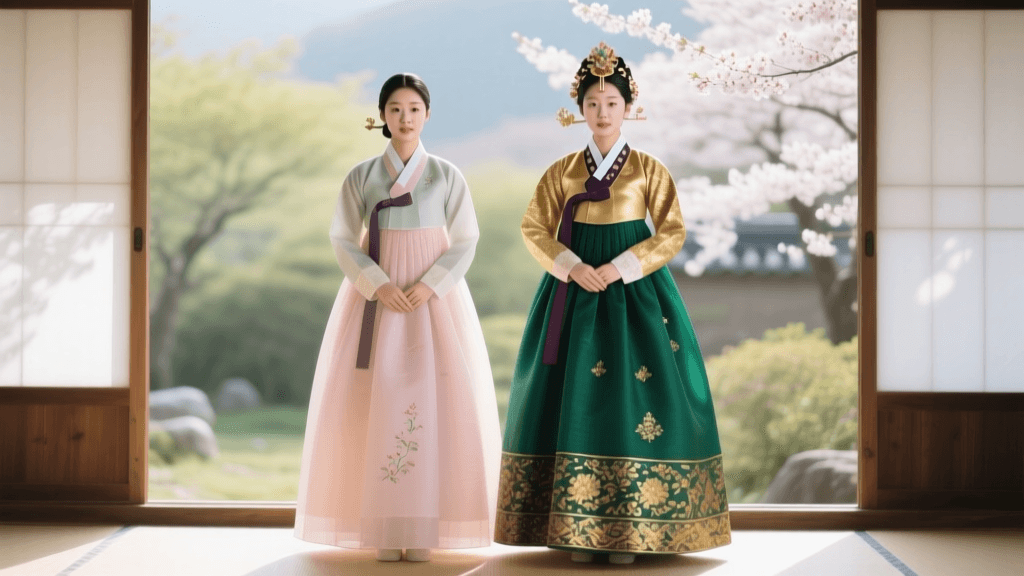
The hanbok is experiencing a profound duality in 2026. On one hand, it remains a deeply revered ceremonial garment, bound by centuries of strict sartorial rules, vibrant color theory, and luxurious textiles. On the other hand, it has fully cemented its place in the modern global wardrobe through the booming 'Saenghwal Hanbok' (living hanbok) movement. As K-culture continues to influence global fashion, understanding the distinction between ceremonial and everyday Korean traditional dress is essential for collectors, fashion enthusiasts, and cultural historians alike. This comprehensive guide breaks down the construction, styling, and market realities of both categories in the current landscape.
Ceremonial Hanbok: Heritage, Rules, and Formality
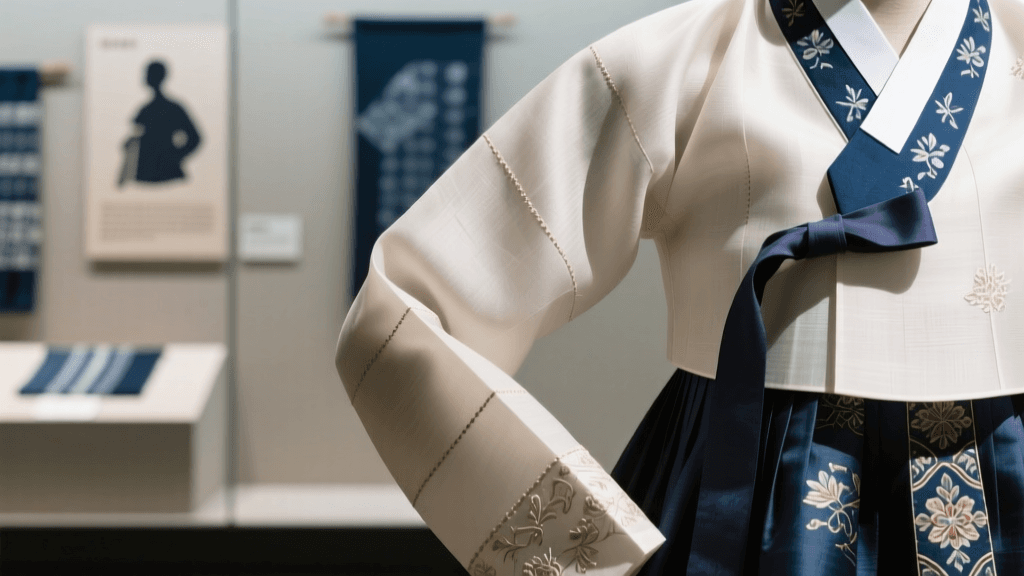
Ceremonial hanbok is not merely clothing; it is a visual language. Historically, the garments dictated the wearer's social status, marital status, and the specific nature of the ritual being performed. According to the National Folk Museum of Korea, the preservation of these intricate garments requires adherence to historical accuracy, utilizing traditional weaving techniques and natural dyes that are increasingly rare in the modern textile industry.
Key Ceremonial Garments
When we speak of ceremonial hanbok, we are typically referring to specific, highly ornate garments reserved for weddings, ancestral rites (Jesa), and court rituals. The Hwalot is the quintessential bridal robe, characterized by its sweeping wide sleeves, vibrant red and blue silk panels, and intricate embroidery featuring peonies, butterflies, and white cranes symbolizing longevity and fidelity. The Wonsam, a long overgarment with wide, color-banded sleeves, was historically reserved for royalty and high-ranking court women, though modernized versions are now worn by brides and performers of traditional court dances.
Another crucial element is the Dangui, a ceremonial jacket worn over the standard jeogori (upper garment) and chima (skirt). The Dangui features extended front and back panels that reach the knees, often adorned with gold leaf stamping (geumbak). The color palette of ceremonial wear strictly adheres to Obangsaek, the traditional Korean five-color theory (blue, red, yellow, white, and black), which represents the five elements of the universe. The structural integrity of these garments relies on stiff, heavyweight silks and elaborate layering, making them entirely unsuitable for daily physical activity.
Everyday Saenghwal Hanbok: The Modern Renaissance
In stark contrast to the heavy, restrictive nature of ceremonial wear, the Saenghwal Hanbok has been engineered for the pace of modern life. The term 'Saenghwal' translates to 'daily life,' and the 2026 iteration of this garment represents a masterclass in adaptive design. As reported by The Korea Herald, the everyday hanbok market has surged over the last few years, driven by younger demographics demanding garments that honor their heritage while accommodating commutes, office environments, and casual socializing.
Defining Features of Modern Everyday Wear
The most significant departure from ceremonial wear is the fabric. While ceremonial hanbok demands delicate, dry-clean-only silk, everyday hanbok utilizes high-quality cotton, breathable linen, ramie (mosi), and advanced wrinkle-resistant polyester blends. These fabrics are frequently machine-washable, a non-negotiable feature for modern consumers.
Structurally, the Saenghwal Hanbok introduces profound functional changes. The traditional chima (skirt), which requires complex tying and layering, is often fitted with a discreet waistband, zippers, and even hidden pockets. The jeogori (jacket) is tailored with a slightly relaxed fit, and the traditional long, sweeping goreum (chest ties) are frequently shortened or replaced with subtle snap buttons or magnetic clasps to prevent them from catching on bags or doors. Furthermore, the hemlines of the skirts are drastically shortened, ranging from midi to above-the-knee lengths, allowing for unrestricted movement.
Ceremonial vs. Everyday Hanbok: A 2026 Comparison
To fully grasp the functional and aesthetic divide between these two categories, refer to the comparison table below, reflecting market standards and design norms as of 2026.
| Feature | Ceremonial Hanbok | Everyday Saenghwal Hanbok |
|---|---|---|
| Primary Fabrics | Heavyweight silk, brocade, raw silk | Cotton, linen, ramie, tech-poly blends |
| Closure System | Traditional long goreum (tied ribbons) | Shortened ties, hidden snaps, zippers |
| Skirt Length | Floor-sweeping, multi-layered | Midi, knee-length, or A-line mini |
| Maintenance | Specialist dry-cleaning and pressing only | Machine washable or easy hand-wash |
| Embellishments | Gold leaf (geumbak), heavy embroidery | Minimalist piping, subtle tonal patterns |
| 2026 Price Range | $800 - $3,500+ USD (Bespoke) | $60 - $250 USD (Ready-to-wear) |
Sourcing, Pricing, and Renting in 2026
Whether you are looking to invest in a bespoke ceremonial piece or purchase an off-the-rack everyday set, the sourcing landscape in 2026 offers diverse avenues. For those visiting Seoul, the area surrounding Gyeongbokgung Palace remains the epicenter for hanbok rental and retail. However, the market has matured significantly. Tourist traps offering cheap, synthetic, historically inaccurate costumes still exist, but discerning buyers now gravitate toward curated boutiques in Bukchon and Insadong that specialize in premium Saenghwal Hanbok and authentic ceremonial reproductions.
Cost Breakdown and Investment
- Rental (Tourism & Photography): Renting a standard, high-quality everyday or semi-formal hanbok for four hours near major palaces costs between 18,000 and 25,000 KRW ($13 to $18 USD) in 2026. Premium rentals featuring authentic silk and intricate hairpieces can reach 45,000 KRW ($33 USD).
- Everyday Ready-to-Wear: Purchasing a modern, machine-washable cotton or linen set from established domestic brands (such as Leesle or Sonjjang) typically ranges from 120,000 to 280,000 KRW ($90 to $210 USD).
- Ceremonial Bespoke: Commissioning a true ceremonial Hwalot or Wonsam from a recognized master artisan is a major investment. Due to the cost of authentic silk and the hundreds of hours required for hand-embroidery, prices start at 2,500,000 KRW (approximately $1,850 USD) and can easily exceed $5,000 USD for museum-grade reproductions.
Modern Styling: Blending Tradition with 2026 Fashion
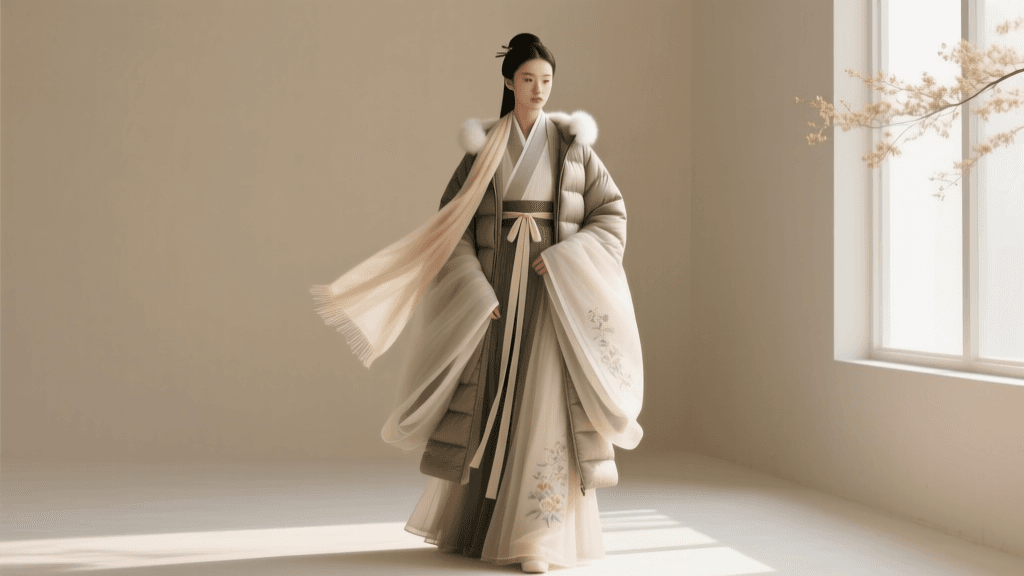
The true brilliance of the Saenghwal Hanbok lies in its modularity. In 2026, fashion-forward individuals rarely wear the everyday hanbok as a strict, head-to-toe traditional uniform. Instead, they deconstruct the outfit, integrating its components into contemporary streetwear and office attire.
Styling the Modern Jeogori
The modern jeogori, with its cropped silhouette and elegant neckline, pairs exceptionally well with high-waisted contemporary bottoms. A crisp, white linen jeogori worn over a sleek black turtleneck and tailored wide-leg trousers creates a striking, avant-garde silhouette suitable for a creative office environment or an upscale dinner. The structured baerae (the curved underarm line of the sleeve) provides a soft, architectural volume that contrasts beautifully with sharp, modern tailoring.
Reimagining the Chima
The everyday chima skirt, particularly those crafted from structured cotton or pleated poly-blends, functions brilliantly as a statement midi skirt. By pairing a solid-colored, high-waisted A-line chima with a simple graphic tee or a fitted ribbed knit sweater, you bridge the gap between historical elegance and casual comfort. Footwear also plays a crucial role; while traditional kkotshin (silk shoes) are reserved for ceremonial wear, everyday hanbok in 2026 is almost exclusively styled with modern leather loafers, minimalist white sneakers, or ankle boots, grounding the traditional silhouette in contemporary reality.
Preservation and the Future of the Garment
As the everyday hanbok continues to evolve, the Ministry of Culture, Sports and Tourism maintains strict initiatives to ensure that the traditional techniques required for ceremonial wear are not lost to modernization. Intangible Cultural Heritage designations protect the artisans who weave authentic silk and execute the precise embroidery patterns of the Joseon dynasty. For the global consumer in 2026, the hanbok offers the best of both worlds: the ability to wear a piece of living, breathing history on a daily basis, while maintaining a deep, respectful reverence for the ceremonial masterpieces that anchor the culture's identity.