NYC & LA Garment District Sourcing Guide for Indigenous Fashion 2026
The 2026 Landscape of American Fashion Hubs
As we navigate the fashion industry in 2026, the intersection of American manufacturing hubs and Indigenous textile heritage has never been more critical. For designers, buyers, and cultural historians, the NYC Garment District and the LA Fashion District remain the beating hearts of North American apparel production. However, the modern sourcing landscape has shifted dramatically. Today, it is not just about finding the lowest cost per yard; it is about transparency, ethical collaboration, and respecting the deep cultural roots of the Americas.
Designers creating collections inspired by or collaborating with Indigenous communities face a unique set of challenges and opportunities. The line between cultural appreciation and cultural appropriation is heavily scrutinized by consumers and regulatory bodies alike. In 2026, successful brands are those that use these major fashion districts not to mass-produce knockoffs of sacred or traditional garments, but to source high-quality, sustainable raw materials that can be handed over to authentic Indigenous artisans, or to connect with verified Native-owned wholesale distributors operating within these urban hubs.
Navigating the NYC Garment District for Ethical Textiles
Stretching roughly from 34th to 42nd Streets between Fifth and Ninth Avenues, the New York City Garment District has evolved into a highly specialized, sustainability-focused ecosystem. In 2026, the district is renowned for its premium natural fibers, high-end tailoring supplies, and specialized trims. For designers looking to source materials for Indigenous-inspired or collaborative collections, NYC is the premier destination for ethically harvested wools, leather alternatives, and intricate beadwork supplies.
When sourcing wool—a foundational element in many Indigenous North American garments, particularly among the Navajo (Diné) and Coast Salish weavers—designers in 2026 are bypassing synthetic blends in favor of traceable, natural fibers. Showrooms on 38th and 39th Streets now frequently utilize blockchain provenance scanners, allowing buyers to trace the exact origin of their wool. Look for suppliers offering Navajo-Churro wool or ethically sourced alpaca, which support both sustainable agriculture and traditional textile practices.
Furthermore, the trim stores in the district, such as those clustered around 38th Street, are invaluable for sourcing glass seed beads, sinew, and natural leather lacing. However, buyers must exercise diligence. The 2026 standard for ethical sourcing requires verifying that natural materials like sweetgrass, sage, or quillwork are harvested by Indigenous cooperatives rather than mass-harvested by commercial agricultural firms. Many top-tier NYC trim shops now carry dedicated 'Artisan Heritage' sections, vetted by cultural councils, ensuring that the purchase of these materials directly supports Native harvesters.
The LA Fashion District: Streetwear, Denim, and Artisan Weaves
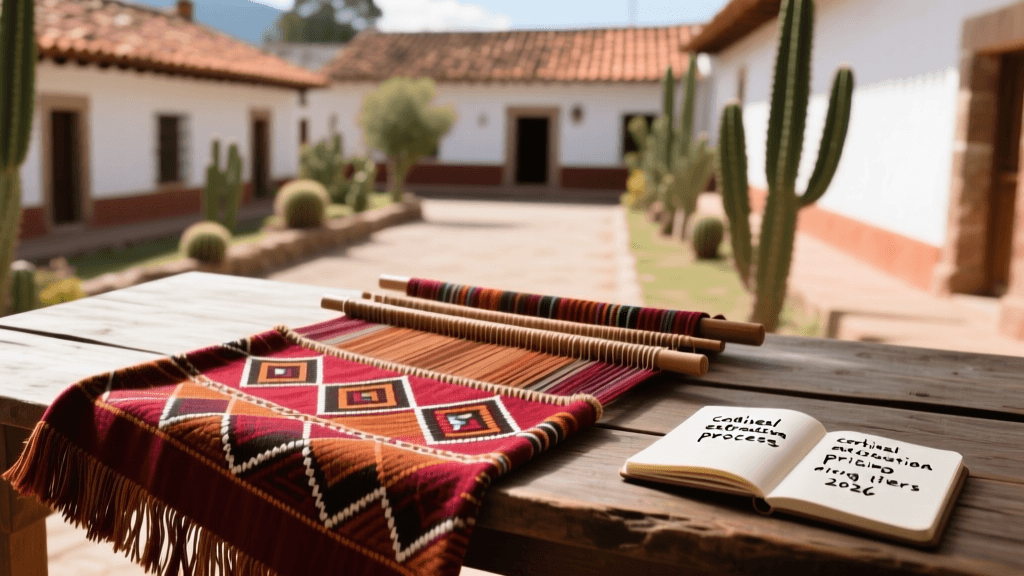
Miles away on the West Coast, the Los Angeles Fashion District offers a completely different sourcing experience. Centered around Pico Boulevard and 9th Street, LA is the undisputed capital of denim, streetwear, and Latin American textile imports. For designers focusing on the Indigenous cultures of the Southwest, Mexico, and Central America, LA provides unparalleled access to heavy cottons, natural indigo dyes, and traditional backstrap-loom weavings.
In 2026, the LA Fashion District has seen a massive influx of direct-to-showroom artisan cooperatives from Oaxaca, Chiapas, and Guatemala. Unlike the middle-man importers of the past decade, today's showrooms on 9th Street often feature digital lookbooks that connect buyers directly with the Zapotec and Maya weavers who created the textiles. This direct-trade model ensures fair wages and preserves traditional techniques. When sourcing garments like the huipil or rebozo, or looking for heavy, durable cottons for Southwest-inspired workwear, LA's importers offer the most authentic and ethically sound supply chain in the country.
Additionally, LA's dominance in denim and leatherwork makes it the ideal hub for sourcing heavy-duty canvas and vegetable-tanned leathers. Many Indigenous-owned streetwear brands operating out of California utilize the LA district's small-batch manufacturing facilities to produce cut-and-sew blanks, which are then shipped to Native artists across the reservations for hand-painting, ribbon-work, and custom embroidery.
The Legal and Ethical Line: Avoiding Cultural Appropriation
Sourcing in 2026 requires a strict adherence to both ethical guidelines and federal law. The most critical piece of legislation for any designer working with Native American motifs, textiles, or jewelry is the Indian Arts and Crafts Act (IACA). Enforced by the Indian Arts and Crafts Board, this federal truth-in-advertising law prohibits misrepresentation in marketing of Indian arts and crafts products within the United States.
If you are sourcing finished garments, beadwork, or silverwork in either the NYC or LA districts, you must ensure that any item marketed as 'Native American,' 'Indian,' or 'Indigenous' is genuinely made by a member of a federally or state-recognized Tribe. Buying mass-produced, overseas knockoffs of traditional ribbon shirts or turquoise squash blossom necklaces and selling them in your boutique is not only deeply offensive but a federal crime.
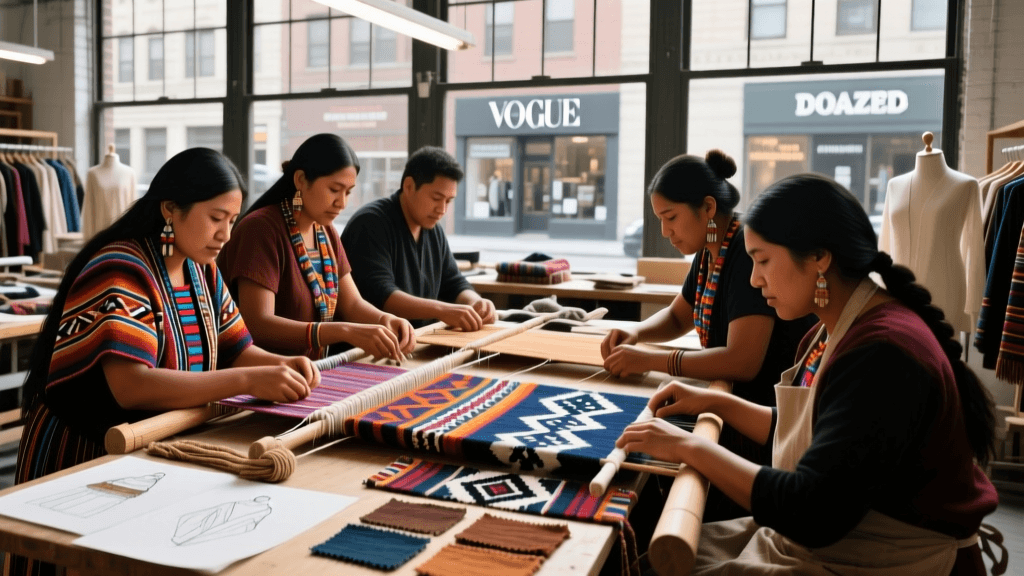
The Council of Fashion Designers of America (CFDA) has also updated its 2026 sustainability and ethics guidelines to include strict frameworks for cultural collaboration. The CFDA advises designers to move away from 'inspiration'—which often leads to uncredited copying—and toward 'collaboration.' This means using the Garment Districts to source the raw, high-quality materials (like organic cotton canvas, raw denim, or undyed wool) and then contracting verified Indigenous artisans and enterprises to apply the traditional design elements, ensuring they are compensated and credited as co-creators.
Sourcing Natural Dyes: Cochineal, Indigo, and Botanicals
A major trend dominating the Americas and Indigenous fashion sector in 2026 is the return to pre-colonial, natural dyeing methods. Both the NYC and LA districts house specialized botanical apothecaries and dye labs that cater to this demand. Sourcing authentic cochineal (a vibrant red dye derived from insects native to Mexico and the Southwest) and natural indigo is now easier than ever, provided you know where to look.
In LA, proximity to Latin American trade routes means that importers of raw botanical dyes offer incredibly fresh, high-potency cochineal and marigold extracts. In NYC, specialized sustainable textile labs offer pre-mordanted fabrics designed specifically to absorb these natural dyes evenly. By sourcing raw, undyed organic textiles and natural dyes from these hubs, designers can create vibrant, historically accurate color palettes without relying on the toxic, synthetic petrochemical dyes that dominate the fast-fashion industry.
NYC vs. LA: 2026 Sourcing Comparison Table
To help you plan your sourcing trips, here is a breakdown of how the two major American fashion hubs compare for Indigenous and ethical textile sourcing in 2026.
| Feature | NYC Garment District | LA Fashion District |
|---|---|---|
| Primary Focus | Tailoring, Premium Wools, High-End Trims | Denim, Streetwear, Latin American Textiles |
| Average Fabric MOQ | 15 to 50 yards | 50 to 100+ yards |
| Indigenous Artisan Access | High (Beadwork, Leather, Quillwork, Wool) | High (Weaving, Embroidery, Silverwork, Dyes) |
| 2026 Tech Integration | Blockchain Provenance Scanners for Fibers | AI-Driven Deadstock and Direct-Trade Matching |
| Best For Sourcing | Raw materials for Northern/Plains Indigenous collaborations | Finished artisan weaves and Southwest/Latin American textiles |
5-Step Sourcing Checklist for Designers
Before you hit the pavement in Manhattan or Downtown Los Angeles, ensure you have completed this essential 2026 sourcing checklist to guarantee ethical and efficient procurement:
- Verify Artisan Credentials: If buying finished Indigenous goods, always request documentation or verification of the artisan's Tribal enrollment or recognized cooperative membership to comply with the IACA.
- Request Provenance Data: Ask NYC wool and leather suppliers for their blockchain or digital traceability reports to ensure the materials were not sourced from ecologically sensitive or disputed lands.
- Check Minimum Order Quantities (MOQs): Many ethical, small-batch suppliers in the Los Angeles Fashion District have higher MOQs for imported artisan textiles. Plan your budget accordingly.
- Prioritize Undyed Blanks: To avoid accidental cultural appropriation of sacred patterns, source high-quality undyed blanks and collaborate directly with Native artists to apply traditional designs.
- Utilize District Concierge Services: Both the NYC and LA districts now offer AI-assisted concierge apps that can route you directly to verified sustainable and minority-owned textile showrooms, saving hours of aimless walking.
Conclusion
The NYC and LA Garment Districts remain indispensable resources for the American fashion industry in 2026. However, for those operating within the Americas and Indigenous clothing space, these districts must be navigated with a profound sense of responsibility. By focusing on ethical raw material sourcing, respecting federal laws regarding Indigenous arts, and prioritizing direct collaborations with Native artisans, designers can honor the rich textile traditions of the Americas. Whether you are hunting for traceable Navajo-Churro wool in Manhattan or vibrant Zapotec weaves in Los Angeles, the modern garment district rewards those who source with intention, respect, and cultural awareness.