Preserving the Threads of Time: A Guide to Endangered Textile Arts
Preserving the Threads of Time: A Guide to Endangered Textile Arts
The history of human civilization is inextricably woven into the fabric of our textiles. Long before the advent of industrial manufacturing, the creation of cloth was a profound endeavor—a meticulous intersection of art, mathematics, agriculture, and spirituality. From the rhythmic clatter of the wooden shuttle to the quiet patience of natural dye fermentation, traditional textile arts represent some of the most complex and beautiful achievements of human ingenuity. Yet, as the modern era accelerates toward mass production and synthetic alternatives, countless heritage weaving and dyeing techniques are quietly slipping into obscurity.
At The Garment Atlas, we believe that understanding the origins of our clothing is essential to appreciating its true value. The loss of an endangered textile art is not merely the loss of a manufacturing method; it is the erasure of a cultural language, a regional identity, and a generational legacy. This comprehensive guide explores the profound cultural significance, masterful craftsmanship, and global variations of endangered textile arts, while examining the vital preservation efforts keeping these ancient traditions alive today.
The Cultural Significance of Traditional Textiles
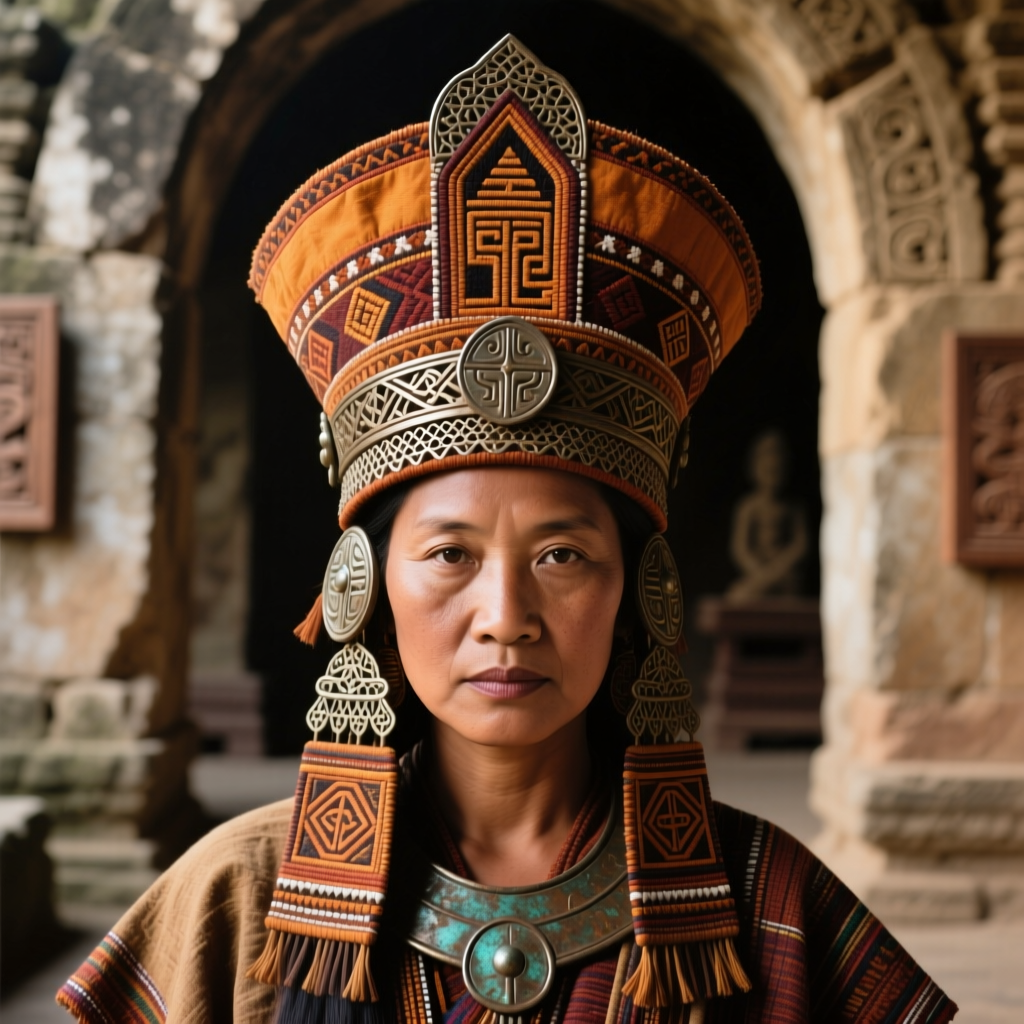
In many historical and indigenous societies, textiles have never been viewed simply as functional garments designed to protect the body from the elements. Instead, cloth serves as a visual language, a repository of ancestral knowledge, and a marker of social identity. The patterns, colors, and weaving structures of a garment can communicate a wearer’s marital status, tribal affiliation, spiritual beliefs, and societal rank. To study traditional textiles is to read the history of a people, encoded in warp & weft.
Consider the role of textiles in rites of passage. In numerous cultures across the globe, specific cloths are woven exclusively for birth, coming-of-age ceremonies, weddings, and funerary rites. These garments are often imbued with talismanic properties, believed to protect the wearer during vulnerable transitional phases of life. The creation of such textiles is frequently accompanied by rituals, prayers, and strict taboos, elevating the weaver from a mere artisan to a spiritual conduit.
Furthermore, traditional textiles have historically functioned as a form of currency and a measure of wealth. Before the standardization of global monetary systems, high-quality handwoven cloth was traded along ancient mercantile routes, acting as a stable store of value. The sheer amount of human labor required to cultivate fibers, spin yarn, dye threads, and weave cloth meant that textiles were inherently precious. This historical reverence for cloth stands in stark contrast to the modern perception of clothing as a disposable commodity, a shift that lies at the heart of the current crisis facing heritage crafts.
By exploring traditional silhouettes and their foundational fabrics, we can begin to understand how the drape, weight, and texture of handwoven materials dictated the evolution of regional dress, creating a harmonious relationship between the maker, the material, and the wearer.
Masterful Craftsmanship: Techniques on the Brink
The craftsmanship required to produce heritage textiles is staggering, often demanding decades of dedicated practice to master. Unlike mechanized looms that can produce miles of uniform fabric in a single day, traditional handlooms operate at the speed of human breath and thought. The artisan must maintain a delicate physical rhythm, coordinating hands and feet to manipulate the harnesses, beat the weft, and pass the shuttle with unerring precision.
The Complexity of Resist-Dyeing
One of the most endangered and revered skills in the textile world is resist-dyeing, a technique where specific areas of the yarn or fabric are bound, stitched, or coated to prevent the penetration of dye. The most complex iteration of this is double ikat. In double ikat, both the warp and the weft threads are meticulously measured, bound, and dyed before they are even placed on the loom. The weaver must then align these pre-dyed threads with mathematical exactitude during the weaving process to reveal the intended pattern. A misalignment of even a millimeter can blur the design. This technique requires an extraordinary grasp of spatial geometry and immense patience, making true double ikat one of the rarest and most expensive textiles in the world.
Supplementary Weft and Brocade
Brocading involves the introduction of supplementary weft threads to create intricate, raised patterns that appear almost embroidered. Using traditional draw-looms or intricate bamboo harness systems, weavers manually select and lift specific warp threads to insert the decorative yarns. This process is agonizingly slow; a weaver might produce only a few inches of complex brocade in a single day. The resulting fabric is heavy, rich, and structurally complex, often utilizing precious metallic threads or lustrous silk fibers to catch the light.
Natural Dye Chemistry
The mastery of natural dyes is an endangered science in its own right. Artisans must understand the botanical properties of local flora, the mineral composition of their water, and the precise chemistry of mordants (substances used to set dyes). Extracting a vibrant, colorfast indigo blue, for instance, requires the careful fermentation of plant leaves in an alkaline bath, a living process that the dyer must nurture and monitor daily. The knowledge of which roots, barks, and insects yield specific hues is often passed down orally, making it highly vulnerable to disruption.
Regional Variations: A Global Tapestry of Heritage
The diversity of endangered textile arts reflects the incredible adaptability of human creativity. Constrained by local climates, available flora and fauna, and cultural cosmologies, artisans across the globe have developed vastly different approaches to the creation of cloth.
Asia: Precision and Philosophy
In Japan, the art of Kasuri (ikat) and Shibori (shaped-resist dyeing) reflects a cultural reverence for nature, imperfection, and meticulous craftsmanship. Japanese textile artisans often spend years perfecting the tension of their looms and the chemistry of their indigo vats. Similarly, in the Gujarat region of India, the Patola silk sarees are woven using the aforementioned double ikat technique. Historically reserved for royalty and sacred ceremonies, the mathematical precision required for Patola weaving is a closely guarded family secret, known today by only a handful of master weaver families.
In the mountainous regions of Assam, the cultivation and weaving of Muga silk—a rare, naturally golden silk produced by semi-domesticated silkworms that feed on specific aromatic leaves—is facing severe ecological and economic threats. The unique luster and durability of Muga silk make it a cornerstone of Assamese heritage, yet deforestation and the influx of cheap synthetic imitations endanger its survival.
The Americas: Cosmic Weaving and Backstrap Looms
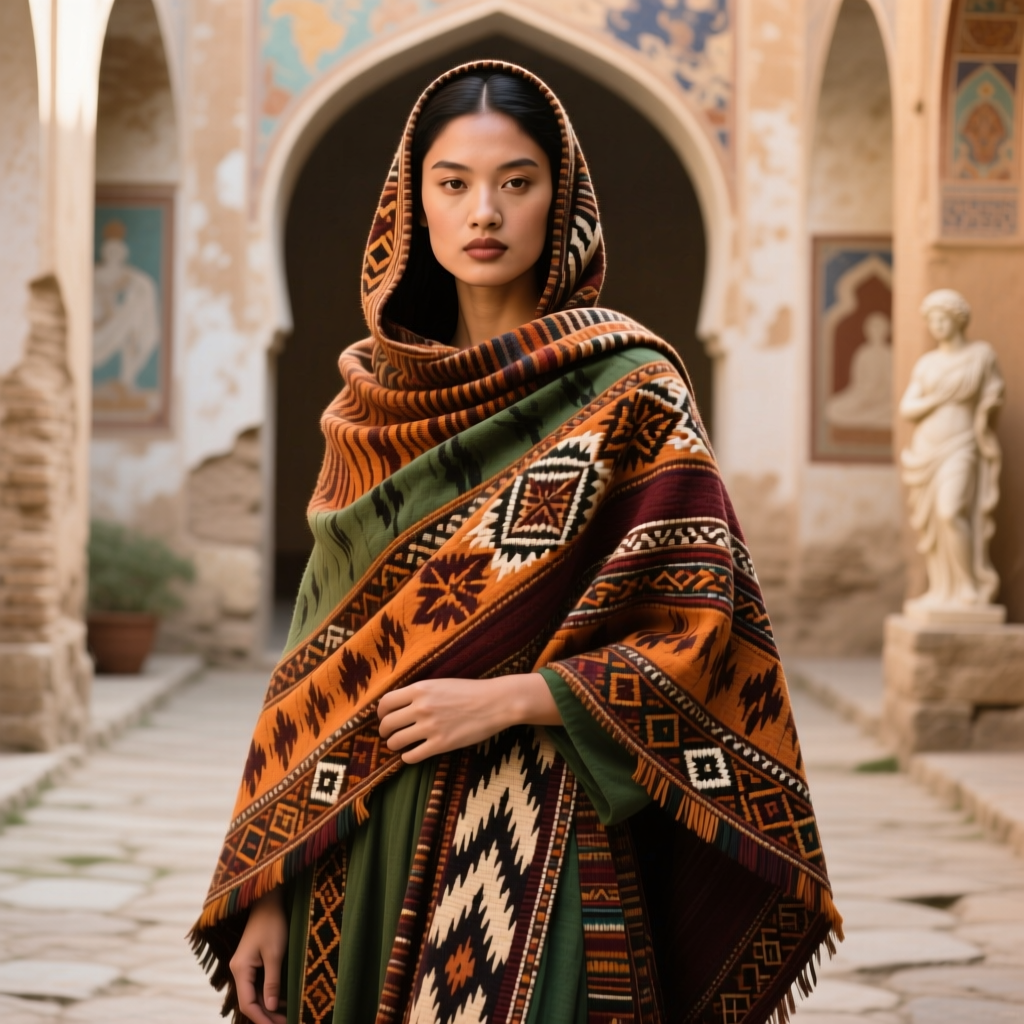
Across the Andes, indigenous weavers utilize the backstrap loom, a deceptively simple yet profoundly versatile tool. One end of the loom is tied to a tree or post, while the other is strapped around the weaver’s lower back. The weaver’s own body becomes the tensioning device, allowing for an intimate, physical connection to the cloth. Andean textiles are renowned for their complex iconography, featuring geometric representations of the cosmos, local fauna, and agricultural cycles. The use of alpaca and vicuña fibers, spun by hand using a drop spindle called a pushka, results in textiles of unparalleled warmth and softness.
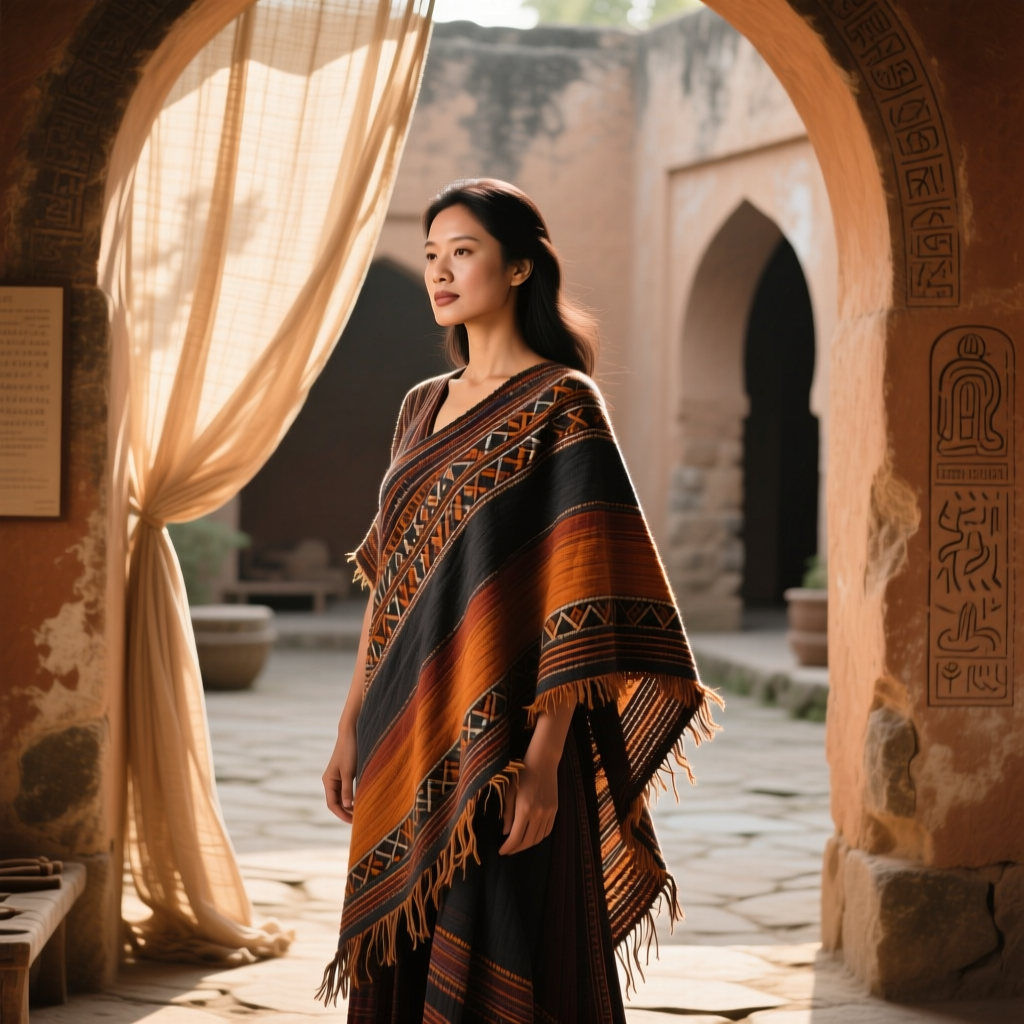
In Mexico, the weaving of the Rebozo—a traditional shawl and multipurpose garment—showcases the incredible skill of the empuntadora, the artisan who hand-knots the intricate fringes at the ends of the garment. A single rebozo fringe can take weeks to knot, with patterns so fine they resemble lace. The decline of traditional pedal looms and the loss of ancestral knotting techniques threaten this iconic symbol of Mexican identity.
Africa: Earth, Mud, and Storytelling
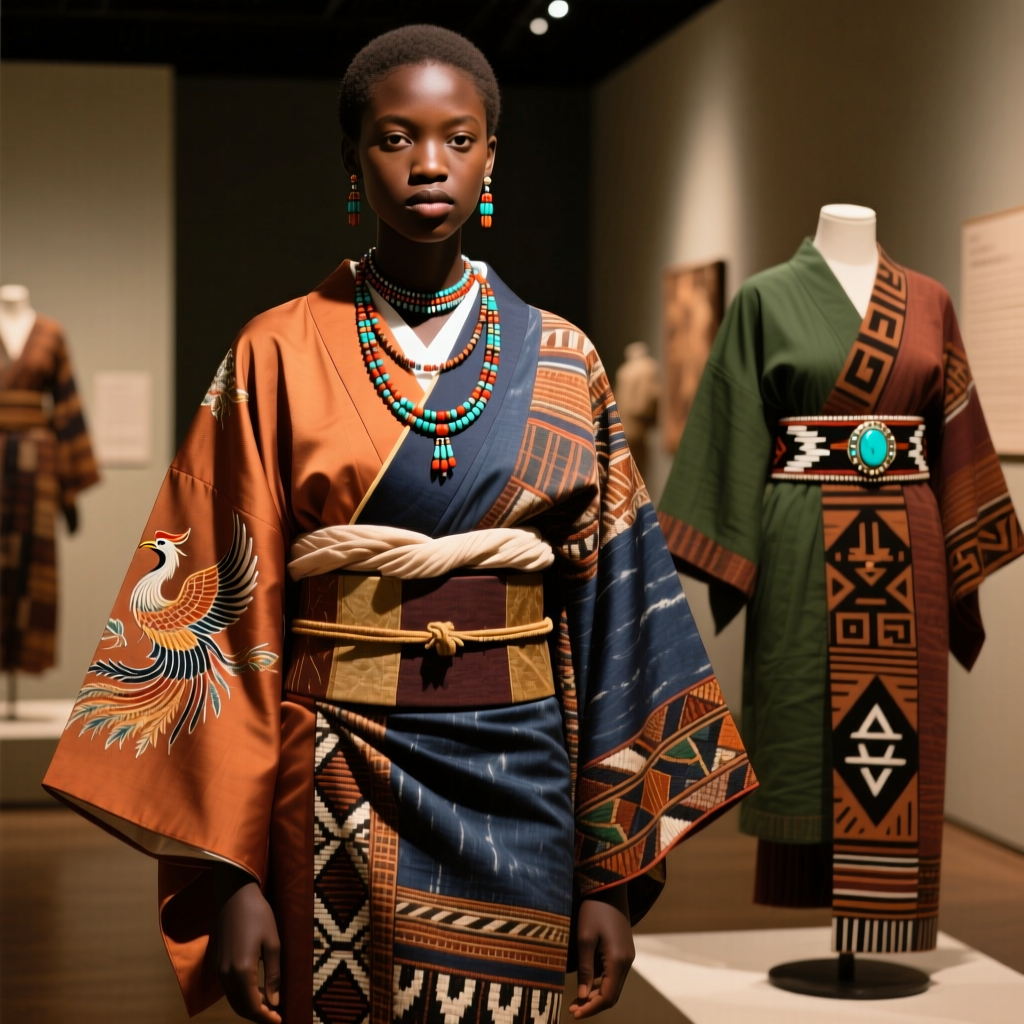
In West Africa, textiles are deeply intertwined with social structure and oral history. The Kente cloth of Ghana, woven in narrow strips on traditional wooden looms and then sewn together, is perhaps the most globally recognized African textile. Each color and geometric pattern in Kente carries a specific proverb or historical reference. However, the mass production of printed Kente patterns on synthetic fabrics undermines the economic viability of authentic, handwoven silk and cotton Kente.
In Mali, the creation of Bogolanfini, or mud cloth, represents a unique intersection of textile art and earth chemistry. Woven cotton strips are dyed yellow using the leaves of the n'gallama tree, and then painted with fermented mud rich in iron oxide. A chemical reaction between the tannins in the leaf dye and the iron in the mud creates a permanent, deep black pattern. This deeply spiritual process, traditionally governed by strict gender roles and ritualistic practices, is increasingly being diluted for the tourist market.
Europe: Island Wools and Intricate Laces
While Europe was the epicenter of the Industrial Revolution that ultimately mechanized the textile industry, pockets of profound heritage craftsmanship remain. In the Outer Hebrides of Scotland, Harris Tweed is still woven by hand in the homes of the islanders, using pure virgin wool dyed and spun in the region. The rhythmic clatter of the treadle loom in a weaver’s shed is a protected cultural soundscape, safeguarded by strict geographical indication laws.
Meanwhile, the art of bobbin lace and needle lace, once the domain of European royalty and a major economic driver for coastal villages, is now practiced by a dwindling number of elderly artisans. The creation of lace requires the manipulation of dozens, sometimes hundreds, of wooden bobbins to twist and braid threads into gossamer-thin, structural webs. It is an art form of breathtaking complexity that defies mechanical replication.
The Threat of Modernity and Fast Fashion
The decline of these magnificent textile arts is not due to a lack of beauty or utility, but rather the relentless economic pressures of the modern globalized market. The rise of fast fashion has fundamentally altered consumer expectations, training the public to expect clothing to be cheap, abundant, and disposable. In this environment, the true cost of handwoven, naturally dyed textiles—which reflects the living wage of the artisan, the time required for cultivation, and the mastery of the craft—seems incomprehensible to the average shopper.
Furthermore, the generational transfer of knowledge is breaking down. Master weavers and dyers, recognizing the economic hardship inherent in their profession, often encourage their children to pursue more lucrative, modern careers in urban centers. When an elder artisan passes away without an apprentice, centuries of accumulated knowledge regarding specific loom mechanics, dye recipes, and pattern drafting vanish instantly. The influx of synthetic yarns, which are cheaper and easier to work with but lack the breathability, biodegradability, and soul of natural fibers, further degrades the integrity of traditional practices.
Modern Preservation and the Future of Heritage Weaving
Despite these formidable challenges, a global movement dedicated to the preservation and revitalization of endangered textile arts is gaining momentum. This effort is multi-faceted, involving grassroots artisan cooperatives, international non-governmental organizations, academic researchers, and a growing demographic of conscious consumers.
Geographical Indications (GI) and Legal Protections: Many regions are fighting back against cultural appropriation and mass-produced knock-offs by securing Geographical Indication status for their textiles. Much like the appellation system for wine, a GI tag certifies that a textile possesses specific qualities and reputation due to its geographical origin, and that it was produced using traditional methods. This legal framework helps protect the livelihoods of authentic artisans and educates consumers on the value of provenance.
Artisan Cooperatives and Fair Trade: By forming cooperatives, weavers and dyers can pool resources, access global markets, and negotiate fair prices for their work. These organizations often provide crucial support systems, including healthcare, education for artisans' children, and micro-loans for purchasing raw materials. Fair trade certifications ensure that the financial rewards of the textile trade flow directly back into the communities that originated the crafts.
The Role of the Conscious Consumer: Ultimately, the survival of endangered textile arts relies on market demand. Consumers who educate themselves on the history of weaving and the realities of garment production can make purchasing decisions that support heritage crafts. Investing in fewer, higher-quality garments, seeking out transparent brands that partner directly with artisan communities, and learning proper wardrobe care to extend the lifespan of natural textiles are powerful ways to vote for the preservation of these arts.
Preserving endangered textile arts is not about freezing a culture in time or treating artisans as museum exhibits. It is about ensuring that these communities have the economic agency and cultural pride to continue evolving their crafts on their own terms. When we wrap ourselves in a handwoven garment, we are not just wearing cloth; we are participating in a continuous, living dialogue between the past and the future.
Frequently Asked Questions
What makes a textile art "endangered"?
A textile art is considered endangered when the number of practicing artisans drops to a critical low, and the generational transfer of knowledge is disrupted. This usually occurs when the craft is no longer economically viable due to competition from mass-produced, synthetic alternatives, or when the raw materials (such as specific native plant dyes or heritage breed wools) become scarce due to environmental changes. If a technique is only known by a few elderly masters without apprentices, it is at imminent risk of extinction.
How can consumers support traditional weavers and artisans?
Consumers can support traditional artisans by prioritizing quality over quantity and seeking out brands that have transparent, direct-trade relationships with weaving cooperatives. Look for certifications like Fair Trade or Geographical Indications (GI) that verify the authenticity and ethical sourcing of the textile. Additionally, educating yourself on the time and skill required to create handwoven fabrics helps reframe your understanding of what clothing should cost, allowing you to appreciate and financially support the true value of the artisan's labor.
What is the difference between handwoven and mill-made fabrics?
Mill-made fabrics are produced on mechanized, computer-controlled looms that prioritize speed, uniformity, and high volume. The edges are perfectly straight, and the patterns are endlessly repeated without variation. Handwoven fabrics, conversely, are created on manual looms operated by human power. They often feature slight, beautiful irregularities—known as "slubs" or variations in tension—that give the cloth a unique character, superior drape, and a tactile warmth. Handwoven textiles also tend to be more durable, as the slower weaving process places less stress on the natural fibers.
Are endangered textile arts sustainable?
Yes, traditional textile arts are inherently sustainable, representing the original "slow fashion." Before the invention of synthetic dyes and petroleum-based fibers, all textiles were created using locally sourced, biodegradable materials like cotton, wool, silk, linen, and botanical dyes. The traditional processes are generally low-impact, relying on human energy rather than fossil fuels, and utilizing closed-loop water systems in natural dyeing. Supporting these arts promotes biodiversity, sustains local agricultural economies, and offers a vital antidote to the environmental devastation caused by the modern fast fashion industry.
Where can I learn more about heritage garments and traditional crafts?
To deepen your understanding of heritage garments, you can explore the extensive archives at The Garment Atlas heritage section, which covers the historical evolution of dress and textile techniques. Additionally, visiting textile museums, attending artisan workshops, and reading academic journals dedicated to material culture and anthropology are excellent ways to immerse yourself in the fascinating world of traditional crafts. Engaging with artisan cooperatives online and following their documentation of the weaving process also provides invaluable, real-time insights into these enduring traditions.