Decoding Edo Kimono Fashion in Ukiyo-e Woodblock Prints
The Intersection of Ukiyo-e and Edo Fashion
Ukiyo-e, translating to "pictures of the floating world," is globally celebrated for its sweeping landscapes, dramatic Kabuki actor portraits, and mythological scenes. However, for the modern kimono enthusiast and textile collector, these woodblock prints serve a far more practical and intimate purpose: they are the ultimate historical fashion magazines of the Edo period (1603–1867). Artists like Kitagawa Utamaro, Utagawa Hiroshige, and Katsushika Hokusai meticulously documented the evolving textile trends, layering techniques, and color palettes of their time. By learning to decode these visual records, contemporary wearers can elevate their styling, source authentic vintage pieces, and honor the deep sartorial heritage of Japan.
According to the Metropolitan Museum of Art's overview on Ukiyo-e, these prints were mass-produced and widely circulated among the merchant classes (chōnin). Because the shogunate restricted the merchant class from displaying overt wealth through social rank or land ownership, they channeled their economic power into fashion and the arts. Clothing became a canvas for rebellion, aesthetic expression, and cultural storytelling. Understanding the visual language of ukiyo-e allows modern collectors to identify rare historical motifs and apply Edo-period elegance to contemporary wardrobes.
Reading Textile Motifs in Woodblock Prints
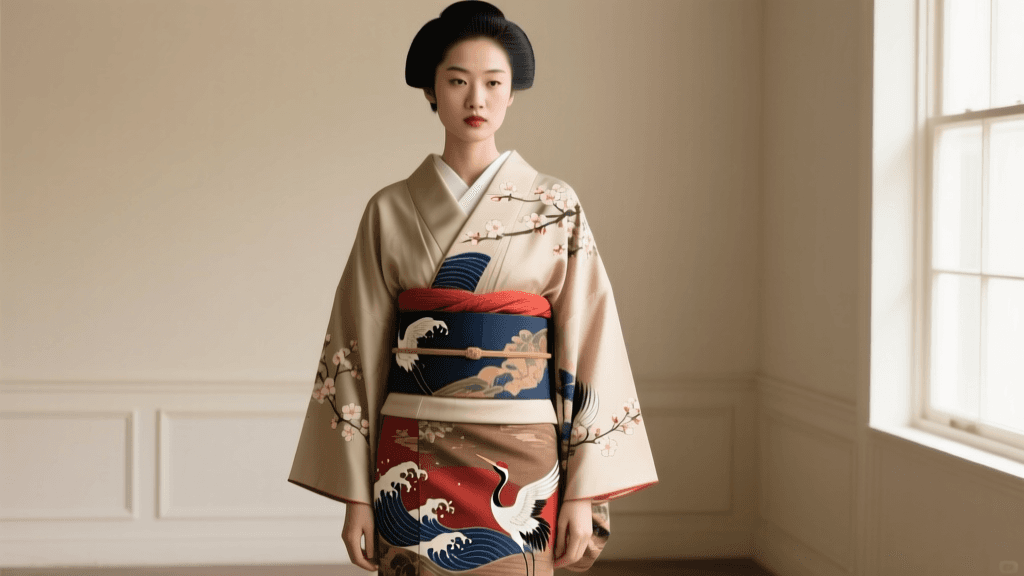
When examining a woodblock print featuring a courtesan, geisha, or fashionable townswoman, the motifs adorning her kosode (the Edo-period precursor to the modern kimono) are never arbitrary. They are deeply tied to seasonality, poetry, and social signaling. Here is how to decode the most prominent patterns and apply them today:
1. Seigaiha (Blue Ocean Waves)
Often depicted in deep indigo or crisp white, the seigaiha motif features overlapping concentric circles resembling stylized waves. In ukiyo-e, this pattern is frequently worn by figures near water or during the summer months to evoke a sense of coolness. Actionable Advice: When sourcing a modern or vintage yukata or lightweight ro (gauze) silk kimono for summer festivals, look for seigaiha prints. A vintage indigo-dyed cotton yukata with this pattern typically costs between $45 and $85 on specialized online marketplaces and provides excellent breathability and historical accuracy for July and August wear.
2. Asanoha (Hemp Leaf)
Characterized by a geometric, star-like six-pointed design, asanoha represents the rapid, resilient growth of the hemp plant. In prints depicting children or young women, this motif symbolizes health and vitality. Actionable Advice: This pattern is highly appropriate for children's kimono (kodomo kimono) or coming-of-age ceremonies. If commissioning a custom garment or buying a reproduction han-eri (decorative collar) for $20–$30, asanoha is an excellent, culturally resonant choice for young adults.
3. Yuzen and the Pictorial Landscape
With the invention of yuzen dyeing in the late 17th century, artisans could paint elaborate, multi-colored landscapes directly onto silk. Ukiyo-e artists took great care to illustrate these sprawling designs, which often wrapped around the hem and lower sleeves. Actionable Advice: When shopping for a formal houmongi (visiting kimono), inspect the hemline. Authentic Edo and Meiji-era pictorial landscapes should flow continuously across the seams. Expect to invest $150 to $400 for a well-preserved vintage houmongi featuring hand-painted yuzen landscapes.
Edo Color Palettes and Sumptuary Laws
The shogunate frequently issued sumptuary laws forbidding commoners from wearing bright, luxurious colors like crimson or deep purple. In response, the merchant class developed the aesthetic of iki—subdued, understated elegance. Ukiyo-e prints brilliantly capture this rebellion through subtle dye variations. The Metropolitan Museum of Art's historical guide to the Kosode highlights how commoners navigated these restrictions through ingenious dyeing techniques.
Below is a practical comparison chart to help you identify Edo-period colors in ukiyo-e and source their modern equivalents for your wardrobe:
| Color Name (Japanese) | Ukiyo-e Representation | Modern Kimono Application | Sourcing & Cost Tip |
|---|---|---|---|
| Edo Murasaki (Edo Purple) | A muted, greyish-purple worn by fashionable courtesans to subtly bypass bans on true royal purple. | Excellent for autumn tsukesage or formal tea ceremony wear. | Look for vintage silk with a greyish undertone rather than bright violet. Budget: $120–$250. |
| Nezumi (Mouse Grey) | Warm, brownish-greys that conveyed sophistication and urbanity in townswomen's daily wear. | Ideal for everyday komon (fine pattern) kimono and winter wool blends. | Highly abundant in vintage markets. A high-quality wool nezumi kimono can be found for $40–$70. |
| Aizome (Indigo) | Deep, rich blues that were prized for their insect-repelling properties and colorfastness. | Perfect for summer yukata and casual tsumugi (pongee) silk. | Verify the scent; real indigo has an earthy smell. Authentic hand-dyed vintage pieces cost $80–$150. |
| Benibana (Safflower Red) | Vibrant pinks and reds, heavily restricted, often shown only on the inner linings of garments. | Used for nagajuban (undergarments) and hakkake (hem linings). | Seek out vintage kimono with plain exteriors but shocking red silk linings. Budget: $90–$180. |
Layering Techniques Depicted by Utamaro and Hokusai
One of the most striking elements of ukiyo-e fashion is the meticulous depiction of layering, known as kasane. Artists like Kitagawa Utamaro frequently painted the nape of a woman's neck, emphasizing the contrasting colors of her kosode collars. This practice, rooted in the Heian period concept of kasane no irome (layered color combinations), remained a vital status symbol in the Edo period.
In woodblock prints, you will often see a sliver of vibrant red or intricately embroidered white fabric peeking out from beneath the main kimono collar. This is the han-eri (half-collar) attached to the nagajuban (under-kimono).
How to Replicate This Today:
You do not need to purchase multiple expensive silk kimono to achieve the ukiyo-e layered look. Instead, invest in a collection of interchangeable han-eri collars.
- Embroidered Han-eri: Costing between $25 and $50, these feature metallic threads and seasonal motifs (like cherry blossoms or autumn maple leaves). They instantly elevate a plain, solid-colored iromuji kimono.
- Shibori Han-eri: Tie-dyed silk collars ($30–$60) provide a textured, three-dimensional look that mimics the subtle fabric variations seen in high-end woodblock prints.
- Styling Measurement: When dressing, ensure exactly 1.5 to 2 centimeters of the han-eri is visible above the main kimono collar at the center back of the neck. This precise measurement mirrors the elegant proportions celebrated by Edo-period artists.
Hidden Luxury: The Hakkake Lining
Because sumptuary laws dictated that the exterior of a commoner's garment had to be relatively subdued, the true wealth of an Edo merchant's wife was hidden inside. Ukiyo-e prints occasionally capture a woman adjusting her hem or sitting, revealing a flash of brilliantly dyed silk lining. This lower lining is called the hakkake or susomawashi.
When curating a vintage kimono collection inspired by historical art, always inspect the interior. A garment with a plain, dark nezumi (grey) exterior but a hand-painted, vibrant benibana (safflower red) or gold-leafed hakkake lining is a prime example of iki (hidden luxury). These pieces are highly sought after by collectors and typically command a premium, ranging from $200 to over $500 depending on the condition of the interior silk.
Practical Tips for Curating an Art-History Wardrobe
Transitioning from an admirer of Japanese art to a curator of historical garments requires a strategic approach to purchasing and maintenance. The Victoria and Albert Museum's exploration of Kimono emphasizes the importance of understanding textile construction and historical context when preserving these garments.
- Study the Prints Before You Buy: Keep a digital folder of high-resolution ukiyo-e prints from institutions like the Met or the British Museum. When browsing vintage kimono dealers online, compare the motifs on the garment directly to historical prints to verify the era and authenticity of the design.
- Invest in Proper Storage: Edo and Meiji-era silks are highly susceptible to light damage and moisture. Never store your kimono on wire hangers. Use traditional tatou paper wraps and store them flat in a cedar chest or acid-free archival boxes. Budget approximately $15 per archival storage box.
- Understand the Obi: In early ukiyo-e, the obi (sash) was relatively narrow and tied in the front. By the late Edo period, it widened and moved to the back, featuring elaborate brocades. When styling a vintage kimono to match a late-Edo print, pair it with a fukuro obi (measuring roughly 30cm in width and 4.5 meters in length) to achieve the correct historical silhouette.
- Consult Artisan Restorers: If you acquire a woodblock-print-era garment with minor stains or loose threads, do not attempt to wash it at home. Seek out a professional kimono cleaner (arimono-ya or specialized international services) who understands traditional yuzen dyes. Professional spot-cleaning and re-lining typically cost between $80 and $150 but will preserve the garment's historical integrity.
By viewing ukiyo-e not just as fine art, but as a practical blueprint for Japanese fashion, modern enthusiasts can build a wardrobe that is deeply rooted in history, aesthetically profound, and culturally respectful. The floating world may have been fleeting, but the textile legacy it left behind continues to inspire and guide kimono wearers today.