Top Hanfu Garments for Qigong and Meditation Practice in 2026
The Intersection of Hanfu and Chinese Wellness in 2026
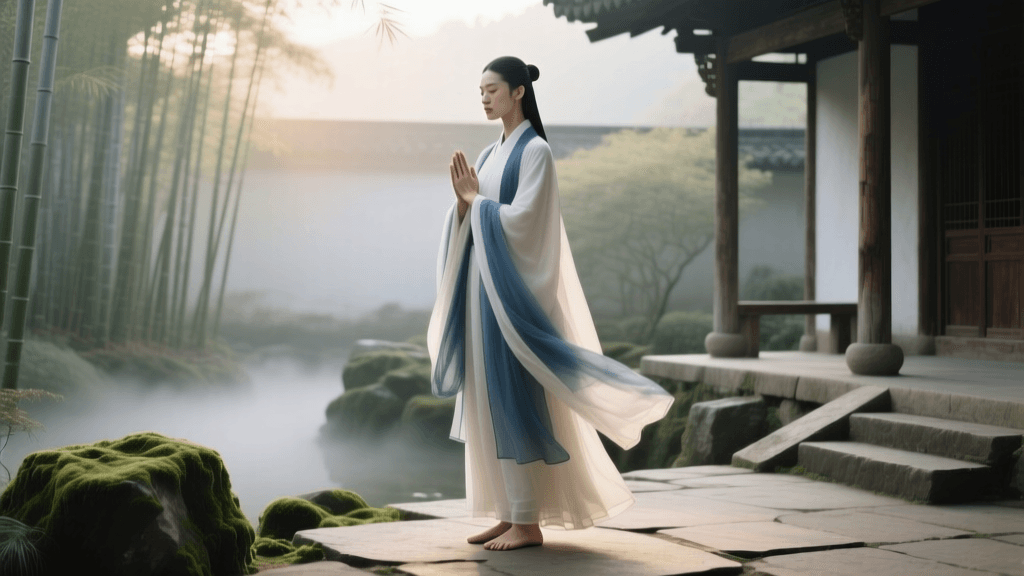
As the global wellness economy continues to evolve in 2026, practitioners of traditional Chinese arts are increasingly recognizing the profound connection between what we wear and how we move. Hanfu, the traditional clothing of the Han Chinese, is no longer reserved solely for festivals, historical reenactments, or photography. Today, it has become an integral component of holistic wellness routines, specifically in Qigong, Tai Chi, and deep meditation practices. The flowing silhouettes, natural fibers, and philosophical underpinnings of Hanfu garments create a unique somatic experience that modern activewear simply cannot replicate.
In 2026, top wellness retreats across Hangzhou, Wudang Mountain, and even urban studios in New York and London are adopting 'traditional dress codes' for their morning Qigong sessions. But which specific Hanfu styles are best suited for the deliberate, breath-focused movements of the Baduanjin (Eight Brocades) or the stillness of Zuowang (sitting in oblivion)? This guide explores the most effective Hanfu garments for meditation and Qigong, fabric technologies available this year, and how to size your garments for optimal Qi flow.
The Philosophy: Why Traditional Garments Enhance Qi Flow
Traditional Chinese Medicine (TCM) and martial arts emphasize the unimpeded flow of Qi (vital energy) through the body's meridians. Modern compression wear, while excellent for high-intensity interval training, can restrict the subtle fascial expansions required in Qigong. Hanfu, conversely, is designed around the principles of harmony between humanity and nature. The cross-collar (jiaoling youren) wraps securely over the core, protecting the vital organs and the Dantian (the body's energy center) from wind and cold, while the loose sleeves and wide hem allow for unrestricted limb extension.
'The wise man nourishes his spirit, harmonizes his mind, and aligns his body with the rhythms of nature.' — Huangdi Neijing (The Yellow Emperor's Inner Canon)
Wearing Hanfu during meditation acts as a psychological anchor. The physical weight and drape of the silk or hemp signal to the nervous system that it is time to transition from the chaos of modern digital life into a state of deep, ancestral grounding. According to the World Health Organization's guidelines on traditional medicine, integrating cultural and historical contexts into wellness practices significantly improves patient and practitioner mindfulness outcomes.
Top Hanfu Styles for Meditation and Qigong in 2026
Not all Hanfu is created equal when it comes to movement. While the heavily layered court dresses of the Tang Dynasty are visually stunning, they are impractical for physical cultivation. Here are the top three garments recommended by Qigong masters in 2026.
1. The Daopao (Taoist Robe)
The Daopao is a wide-sleeved, cross-collared robe that has been worn by Taoist monks and scholars for centuries. It is the gold standard for stationary meditation and slow-form Qigong. The generous sleeve drop allows the wrists to rotate freely during movements like 'Separating Heaven and Earth,' while the wide hem ensures that deep stances, such as the Horse Stance (Mabu), are never restricted by fabric tension. In 2026, modern tailors have introduced hidden inner ties to the Daopao, allowing practitioners to secure the robe at the waist without disrupting the external flow of the garment.
2. The Song Dynasty Beizi (褙子)
For warmer climates or vigorous Qigong forms, the Beizi is an exceptional choice. Characterized by its straight, open front and side slits that reach up to the armpit, the Beizi is typically worn over a simple inner tunic and trousers. The side slits provide unparalleled freedom of movement for the hips and legs, making it ideal for dynamic Qigong sets or walking meditation. The lightweight nature of the Beizi prevents overheating, a common issue when practicing in outdoor summer retreats.
3. The Duanhe (Short Tunic) and Kuzhe (Trousers)
When practicing martial Qigong or forms that require deep lunges and ground-work, the full-length robes can become a tripping hazard. The Duanhe, a short, cross-collared tunic paired with loose-fitting Kuzhe (traditional trousers), offers the perfect compromise. It retains the traditional aesthetic and core-protection of the cross-collar but functions much like modern martial arts uniforms. The 2026 iterations of the Duanhe often feature reinforced gussets in the underarm and crotch areas, utilizing traditional stitching techniques that prevent tearing during extreme extensions.
Fabric Technologies: Traditional vs. 2026 Eco-Blends
The material of your Hanfu is just as critical as the cut. The skin is the body's largest organ, and in Qigong, it is believed to 'breathe' alongside the lungs. Synthetic fabrics like polyester trap heat and moisture, disrupting the body's thermoregulation and blocking the sensory feedback necessary for deep meditation. The National Center for Complementary and Integrative Health notes that environmental comfort, including clothing breathability, is a key factor in achieving the relaxed state required for mind-body practices.
In 2026, the Hanfu market has seen a massive surge in sustainable, eco-friendly textiles that honor historical accuracy while utilizing modern weaving technology.
| Fabric Type | Best For | Properties & 2026 Innovations | Average Cost (USD) |
|---|---|---|---|
| Wild Tussah Silk | Winter Meditation, Indoor Qigong | Highly insulating, luxurious drape. 2026 eco-washing techniques have made it machine-washable without losing luster. | $180 - $250 |
| Traditional Ramie | Summer Qigong, Outdoor Retreats | Exceptional moisture-wicking, naturally antibacterial. Stiff at first but softens beautifully with wear. | $90 - $140 |
| Hemp-Cotton Blend | Dynamic Qigong, Daily Practice | Durable, breathable, and grounded. New 2026 micro-weaves eliminate the historical 'scratchiness' of pure hemp. | $110 - $160 |
| Bamboo-Linen | Hot Yoga, Sweating Qigong Forms | Ultra-lightweight, cooling to the touch. Features natural UV protection for high-altitude mountain retreats. | $130 - $180 |
Sizing and Fit: Allowing the Qi to Flow
Ill-fitting Hanfu can restrict blood flow and distract the mind, entirely defeating the purpose of wearing it for wellness. When ordering or tailoring your Qigong Hanfu in 2026, pay close attention to these specific measurements:
- Sleeve Length and Drop: For Qigong, the sleeve should extend at least 3 to 4 inches past the wrist when the arm is resting at the side. This 'water sleeve' effect creates a gentle, weighted drag that enhances proprioception (body awareness) during slow movements.
- Shoulder Seam Placement: Unlike Western tailoring, which places the seam exactly at the acromion (the edge of the shoulder), traditional Hanfu features a dropped shoulder seam. Ensure the seam falls at least 2 inches down the upper arm to allow the collarbone to expand freely during deep diaphragmatic breathing.
- Hem Clearance: If wearing a full-length robe like the Daopao, the front hem should sit exactly 1 inch above the ground when wearing your practice shoes. This prevents stepping on the fabric during forward bends like 'Touching the Toes' in the Eight Brocades.
- Core Wrap Tension: The inner tie of the cross-collar should be snug enough to support the lower back but loose enough to allow the stomach to expand fully during 'Buddhist belly breathing.' A good rule of thumb: you should be able to slide a flat hand comfortably between the fabric and your abdomen.
Integrating Hanfu into Modern Wellness Retreats
The integration of Hanfu into wellness tourism has exploded in 2026. Premier retreats in the Wudang Mountains now offer 'Sartorial Cultivation' workshops, where guests are measured for custom hemp Duanhe upon arrival and spend the week learning how the garment's geometry influences their Tai Chi forms. Similarly, urban meditation centers in global metropolises are hosting 'Hanfu & Sound Bath' evenings, encouraging participants to wear lightweight Song Dynasty Beizi to enhance the acoustic and somatic resonance of the singing bowls.
Practitioners report that the ritual of dressing in Hanfu—tying the inner strings, smoothing the outer lapel, and securing the sash—acts as a powerful transitional ritual. It separates the stress of the workday from the sanctity of the meditation cushion. As noted by researchers studying the health benefits of Tai Chi and Qigong, the mental focus required to prepare for practice directly correlates with the depth of the meditative state achieved during the session.
Conclusion: Dressing for the Dao
As we move through 2026, the revival of Hanfu is proving to be much more than a fashion trend; it is a reclamation of ancient wellness technologies. Whether you are practicing the slow, deliberate movements of Qigong in a local park or sitting in silent meditation in your living room, choosing the right garment can profoundly deepen your experience. By selecting breathable, historically informed fabrics like Ramie or wild silk, and ensuring your Daopao or Beizi is tailored for dynamic movement, you allow your body to become a seamless conduit for Qi. In the words of the ancient masters, when the outside is in harmony, the inside naturally follows.