Buying Authentic Custom Silk Qipao Online: 2026 Guide
The 2026 Landscape of Online Qipao Shopping
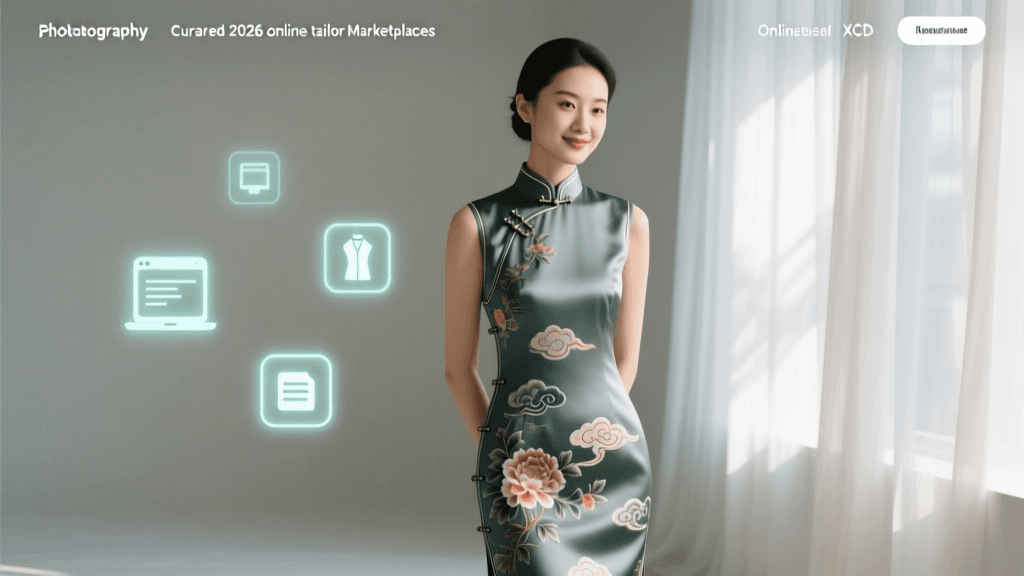
The qipao, also known as the cheongsam, remains one of the most iconic and elegant garments in Asian traditional fashion. However, as global interest in heritage clothing continues to surge in 2026, the online market has become heavily saturated with mass-produced, polyester-blend costumes that misrepresent the garment's rich sartorial history. For enthusiasts, collectors, and those seeking genuine cultural attire for weddings or formal events, navigating digital marketplaces requires a discerning eye. This comprehensive guide explores the best online platforms for sourcing authentic, custom-tailored silk qipao in 2026, detailing how to verify heritage fabrics, utilize modern digital tailoring tools, and invest in true craftsmanship.
Top Online Marketplaces for Authentic Bespoke Silk
Finding a genuine master tailor online means looking beyond standard fast-fashion retailers. In 2026, the most reliable avenues for authentic qipao fall into three distinct categories.
Direct-to-Consumer Heritage Ateliers
Established luxury houses and heritage brands have significantly upgraded their digital bespoke services. Brands like Shanghai Tang and Blanc de Chine now offer comprehensive online made-to-measure portals. These platforms utilize advanced 2026 AI-driven body scanning applications, allowing you to upload a short video from your smartphone to generate precise 3D body measurements. While the price point is premium, these ateliers guarantee the use of top-tier mulberry silk and employ master artisans trained in traditional Shanghai tailoring techniques.
Taobao Flagship Stores and Proxy Agents
For those willing to navigate a steeper learning curve, China's domestic e-commerce giant, Taobao, hosts official flagship stores for renowned Hangzhou and Suzhou silk manufacturers. Because many of these heritage sellers do not ship internationally or accept foreign credit cards directly, buyers in 2026 rely on trusted proxy agents like Superbuy or CSSBuy. By searching for specific heritage terms like 'Hangzhou silk qipao' (杭州丝绸旗袍) or 'intangible cultural heritage tailor' (非遗旗袍定制), you can connect directly with multi-generational family workshops. The proxy agent purchases the garment, provides quality control photos, and handles international freight.
Etsy and Global Diaspora Artisans
Etsy remains a vital marketplace for connecting with independent, diaspora tailors based in North America and Europe. Many of these artisans are second or third-generation tailors who source authentic brocades directly from Asian mills but offer the convenience of local communication, domestic shipping, and in-person alteration options. When shopping on Etsy in 2026, look for sellers who explicitly detail their fabric sourcing and show behind-the-scenes photos of hand-knotting pankou (frog buttons).
Decoding Heritage Fabrics: Xiangyunsha and Song Brocade
When commissioning a custom qipao, the fabric is the soul of the garment. In 2026, two highly prized heritage textiles dominate the luxury bespoke market:
- Xiangyunsha (Gambiered Canton Gauze): Often referred to as 'soft gold' in the textile world, this silk is dyed using the juice of the薯莨 (shoulang) yam and coated with iron-rich mud from the Pearl River Delta. The result is a dual-toned fabric—rich brown on one side and glossy black on the other—that is naturally cooling, water-resistant, and incredibly durable.
- Song Brocade (Songjin): Originating from Suzhou, this intricate woven silk features complex geometric and floral patterns. It is heavier and more structured than standard silk crepe, making it ideal for winter qipao or formal ceremonial wear.
The preservation of these complex dyeing and weaving methods is globally recognized. According to UNESCO's Intangible Cultural Heritage registry, the traditional sericulture and silk craftsmanship of China encompass the entire lifecycle of these heritage textiles, from mulberry cultivation to the meticulous hand-weaving techniques that define authentic Song brocade and Xiangyunsha.
How to Verify Authentic Silk and Construction Online
When evaluating a seller's claims of '100% authentic silk,' you must look for specific technical indicators. The weight of silk is measured in momme (mm). A high-quality, durable qipao intended for regular wear should be crafted from silk crepe de chine or heavy charmeuse ranging from 19mm to 22mm. Anything below 16mm will be too sheer and fragile for a structured garment. As noted by the Metropolitan Museum of Art's Heilbrunn Timeline of Art History, the structural properties of natural silk fibers have made them a cornerstone of luxury textiles for millennia, prized for their unique tensile strength and natural luster that synthetic fabrics simply cannot replicate.
Furthermore, examine the product photos for the pankou (knotted buttons). Authentic bespoke qipao feature hand-knotted pankou made from the same silk as the dress, often taking an artisan hours to craft a single intricate floral knot. Mass-produced costumes use machine-stiffened polyester loops and plastic toggle cores.
The 2026 Digital Measurement Process
A true qipao is renowned for its precise, sculpted fit. When ordering from an online tailor, you will need to provide a comprehensive set of measurements. Most reputable 2026 tailors will require the following:
- Hollow to Hem: Measured from the hollow of the collarbone down to the desired hemline, crucial for maintaining the correct visual proportion.
- Shoulder Slope and Width: Essential for the mandarin collar to sit flush against the neck without gaping.
- Apex and Bust Depth: Ensures the darts are placed correctly to accommodate the natural curve of the bust without pulling the delicate silk.
- Armhole Circumference: A bespoke tailor will ask for this to ensure mobility, as traditional qipao armholes are cut higher and closer to the body than Western garments.
Price and Quality Comparison Chart
Understanding the financial investment required for authentic heritage garments helps buyers avoid scams. If a listing claims to offer 'hand-woven Xiangyunsha' for under $200, it is undoubtedly a synthetic counterfeit. Below is a breakdown of the 2026 market pricing for online qipao.
| Garment Tier | Typical Fabric | Construction Method | 2026 Price Range (USD) |
|---|---|---|---|
| Mass-Market / Costume | Polyester blends, rayon | Machine-made, serged seams, plastic buttons | $40 - $120 |
| Mid-Tier Commercial | 16mm-19mm printed silk | Machine-sewn, basic darts, standard sizing | $250 - $600 |
| Bespoke Heritage | 22mm+ Crepe de Chine, Song Brocade | Hand-finished seams, custom darts, hand-knotted pankou | $800 - $2,500 |
| Master Artisan / Xiangyunsha | Authentic Gambiered Gauze, antique brocades | Entirely hand-stitched, traditional flat-lining, master tailor | $3,000 - $8,000+ |
Caring for Your Delivered Heritage Garment
Once your custom silk qipao arrives, proper care is essential to preserve the integrity of the natural fibers and the structural elements. Never machine wash or tumble dry heritage silk. The Victoria and Albert Museum's Asian collections and textile conservation guidelines emphasize that natural protein fibers like silk are highly sensitive to alkaline environments and excessive heat.
For routine maintenance, steam the garment gently using a handheld steamer on the lowest setting, keeping the nozzle at least three inches away from the fabric to prevent water spotting. Store your qipao on a padded, wide-shoulder hanger to prevent the delicate silk from stretching at the shoulders. If the garment features heavy embroidery or intricate Xiangyunsha fabric, wrap it in unbleached, acid-free muslin cloth and store it flat in a cedar chest to protect it from light degradation and humidity fluctuations.
Final Thoughts on Digital Sourcing
The digital marketplace in 2026 offers unprecedented access to master tailors and heritage silk mills that were once only accessible through in-person visits to Shanghai or Hangzhou. By prioritizing transparent ateliers, understanding the technical metrics of silk momme, and respecting the traditional construction methods of the qipao, you can confidently invest in a garment that is not merely a piece of clothing, but a wearable artifact of Asian cultural history.