2026 Hanfu Travel Wardrobe: Packing Essentials Guide
The Evolution of Heritage Tourism in 2026
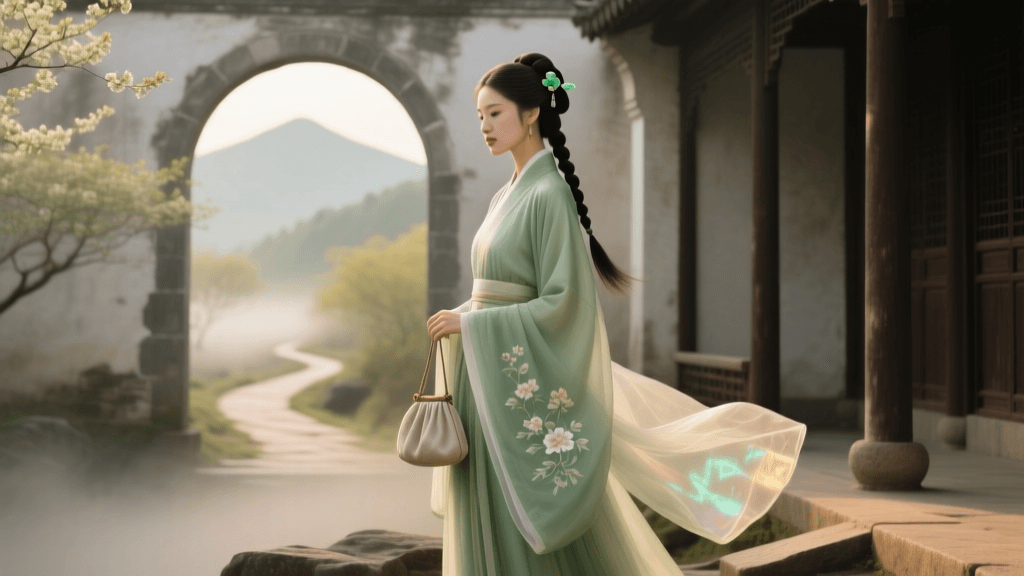
As we navigate through 2026, the global and domestic fascination with traditional Chinese clothing has transitioned from niche subcultures to mainstream heritage tourism. Travelers are no longer just visiting historical sites; they are immersing themselves in the living history of destinations like Xi'an, Luoyang, and Hangzhou by wearing authentic Hanfu. According to recent cultural tourism reports aligned with UNESCO's guidelines on sustainable cultural tourism, engaging with traditional dress fosters a deeper, more respectful connection to local heritage. However, traveling with Hanfu presents unique logistical challenges. The intricate pleats of a Ming Dynasty Mamianqun, the delicate silks of a Tang Dynasty Ruqun, and the elaborate hair accessories require a strategic approach to packing and garment care. This comprehensive guide will help you curate the perfect Hanfu travel wardrobe for your 2026 heritage tours, ensuring you look historically elegant while maintaining modern travel convenience.
Building Your Core Hanfu Travel Capsule
A successful travel wardrobe relies on versatility, wrinkle resistance, and layering. When curating your Hanfu capsule, prioritize garments that can be mixed and matched to suit varying weather conditions and cultural settings. The historical evolution of these garments, as documented by the Metropolitan Museum of Art's historical overview of Chinese dress and textiles, shows that traditional layering was always designed for adaptability.
The Essential Three-Piece Capsule
- The Ming-Style Mamianqun (Horse-Face Skirt): A staple for any Hanfu wardrobe. For travel, opt for woven jacquard or high-density Tencel blends rather than pure silk. These modern 2026 smart-fabrics mimic the drape and sheen of traditional materials but offer superior wrinkle recovery and stain resistance.
- The Song-Style Beizi (Outerwear): Functioning similarly to a modern duster or light cardigan, the Beizi is the ultimate travel layer. It elevates a simple blouse and skirt combination into a formal outfit and provides warmth during breezy evening walks through ancient water towns.
- A Versatile Ru (Top/Blouse): Pack two to three tops in neutral colors like ivory, bamboo green, or soft lotus pink. Cross-collar (Jiaoling) and round-collar (Yuanling) tops offer different silhouettes when paired with your skirts and outerwear.
Traveling in Hanfu is no longer just about taking a photograph; it is about living within the cultural landscape. Your wardrobe should empower movement, not restrict it.
Destination-Specific Wardrobe Strategies
China's vast geography means your destination will dictate your fabric choices and garment styles. Here is how to tailor your packing list for the most popular 2026 Hanfu tourism hubs.
Xi'an and Luoyang: The Tang Dynasty Experience
These northern cities are famous for their grand Tang Dynasty architecture and vibrant night markets. The Qixiong Ruqun (chest-high skirt) is the most popular choice here, offering a romantic, sweeping silhouette perfect for the expansive grounds of the Daming Palace. However, Xi'an can be quite windy in the spring and autumn. Pack a lightweight, semi-transparent Dapi (shawl) that won't blow away easily, and choose skirts with weighted hems to maintain modesty and structure during outdoor photoshoots.
Hangzhou and Suzhou: The Elegance of Song and Ming
The serene gardens and water towns of the Jiangnan region call for understated elegance. The Song Dynasty Beizi paired with a pleated Baidi skirt or a subtle Mamianqun perfectly matches the refined aesthetic of the West Lake and the Humble Administrator's Garden. Breathable ramie and linen blends are highly recommended for the humid subtropical summers of 2026, keeping you cool while navigating stone bridges and crowded tea houses.
Harbin and Changbai Mountain: Winter Heritage
Winter travel requires the Ming Dynasty Aoqun (padded or lined jacket and skirt) combined with a Doupeng (traditional cloak). Modern 2026 iterations of the Doupeng often feature hidden thermal linings and windproof outer shells, allowing you to enjoy the Ice and Snow World or Changbai's hot springs without sacrificing historical accuracy or body heat.
The 2026 Hanfu Packing Matrix
Packing traditional garments requires specific techniques to preserve pleats, embroidery, and structural integrity. Use the following matrix to organize your luggage.
| Garment Style | Era Inspiration | Best Destination | Fabric Recommendation | Packing Technique |
|---|---|---|---|---|
| Mamianqun | Ming Dynasty | Beijing, Nanjing | Jacquard / Tencel | Accordion fold with acid-free tissue paper between pleats |
| Beizi | Song Dynasty | Hangzhou, Suzhou | Linen / Ramie | Roll tightly from the bottom hem to the collar |
| Qixiong Ruqun | Tang Dynasty | Xi'an, Luoyang | Chiffon / Silk blends | Bundle wrapping around a soft core (like a rolled sweater) |
| Doupeng (Cloak) | Ming / Qing | Harbin, Changbai | Wool / Thermal blends | Flat fold at the bottom of the suitcase to act as a buffer |
| Cloud-Toe Shoes | Multi-Era | All Destinations | Embroidered Canvas | Stuff with socks to maintain the upturned toe shape |
Navigating Transit, Security, and Footwear
Modern transit systems, including China's expansive Fuxing high-speed rail network and international airports, require some foresight when traveling in full traditional dress.
Airport Security and Hair Accessories
Traditional Hanfu hairstyles often rely on elaborate metal hairpins (Zanzi), crowns (Faguan), and buyao (dangling hairpins). In 2026, airport security protocols regarding sharp metallic objects in carry-on luggage remain strict. Always pack your metal hairpins in your checked luggage. For your carry-on or for days involving multiple security checkpoints, invest in high-quality acrylic, resin, or wooden hairpins that replicate the look of metal and jade without triggering security alarms.
Footwear: Bridging Antiquity and Comfort
Heritage tourism involves immense amounts of walking on uneven cobblestones and sprawling palace grounds. Traditional flat-soled cloth shoes offer zero arch support. Fortunately, the 2026 market is flooded with modernized cloud-toe shoes (Yuntouxie) featuring hidden memory foam insoles, arch support, and durable rubber outsoles. When packing, use shoe bags to prevent the embroidered uppers from snagging on the hardware of your luggage zippers.
On-the-Road Fabric Care and Maintenance
Even with the best packing techniques, wrinkles and travel stains are inevitable. Maintaining your Hanfu in hotel rooms requires a minimalist, travel-friendly care kit.
- Portable Smart Steamers: Forget the unreliable irons provided by hotels, which often leak rusty water onto delicate silk. Pack a compact, dual-voltage travel steamer. The latest 2026 models heat up in under 20 seconds and offer continuous steam to easily relax the pleats of a Mamianqun without crushing them flat.
- Travel-Sized Silk Wash: Hotel laundry services can be harsh on delicate embroidery and natural dyes. Bring a 100ml bottle of pH-neutral silk and wool detergent. You can easily hand-wash your Ru (tops) in the hotel sink and hang them to dry overnight.
- Anti-Slip Skirt Clips: Traditional skirts rely on ties, which can loosen during long days of travel. Modern silicone anti-slip waistbands and hidden magnetic skirt clips are essential 2026 travel hacks that keep your skirts securely in place without constant readjustment.
- Stain Removal Pens: Street food is a massive part of the travel experience in cities like Xi'an and Chengdu. A portable, waterless stain removal pen is a lifesaver for accidental splashes of chili oil on light-colored linens.
Conclusion
Curating a Hanfu travel wardrobe in 2026 is a beautiful synthesis of honoring ancient aesthetics and embracing modern textile innovations. By carefully selecting versatile garments, employing strategic packing techniques, and preparing for the realities of modern transit, you can ensure that your heritage tour is as comfortable as it is visually stunning. Whether you are walking the ancient city walls of Xi'an or taking a wooden boat through the canals of Suzhou, your thoughtfully packed Hanfu will allow you to step seamlessly into the living history of Asia.