The Colonial Impact on Dress: A Global Tapestry of Power, Adaptation, and Heritage
Clothing is the most intimate architecture we inhabit, serving as a silent yet eloquent language of identity, status, and belonging. When empires expand across oceans and continents, they do not merely conquer land and extract resources; they inevitably seek to conquer the body. The colonial impact on dress is a complex, often painful narrative of imposition, erasure, syncretism, and profound resilience. To understand the global wardrobe as it exists today, one must examine the historical epochs where imperial powers used textiles and tailoring as instruments of control, and how colonized peoples ingeniously adapted these forces to preserve their cultural heritage.
Across the globe, the collision of indigenous sartorial traditions with European modesty standards and tailoring techniques created a seismic shift in how humanity presented itself. This article explores the deep cultural significance of these transformations, the disruption of ancestral craftsmanship, the fascinating regional variations that emerged from cultural blending, and the modern movements dedicated to decolonizing fashion and preserving ancestral garment heritage.
The Imposition of European Silhouettes and Cultural Erasure
During the eras of global expansion, colonizing forces frequently weaponized dress to establish hierarchies of power and civilization. European colonizers often viewed the diverse, climate-appropriate, and spiritually significant garments of indigenous populations through a lens of moral superiority. The lack of structured tailoring, corsetry, or heavy woven fabrics in many tropical and indigenous societies was falsely equated with a lack of civilization. Consequently, the imposition of European silhouettes became a primary tool for cultural assimilation and erasure.
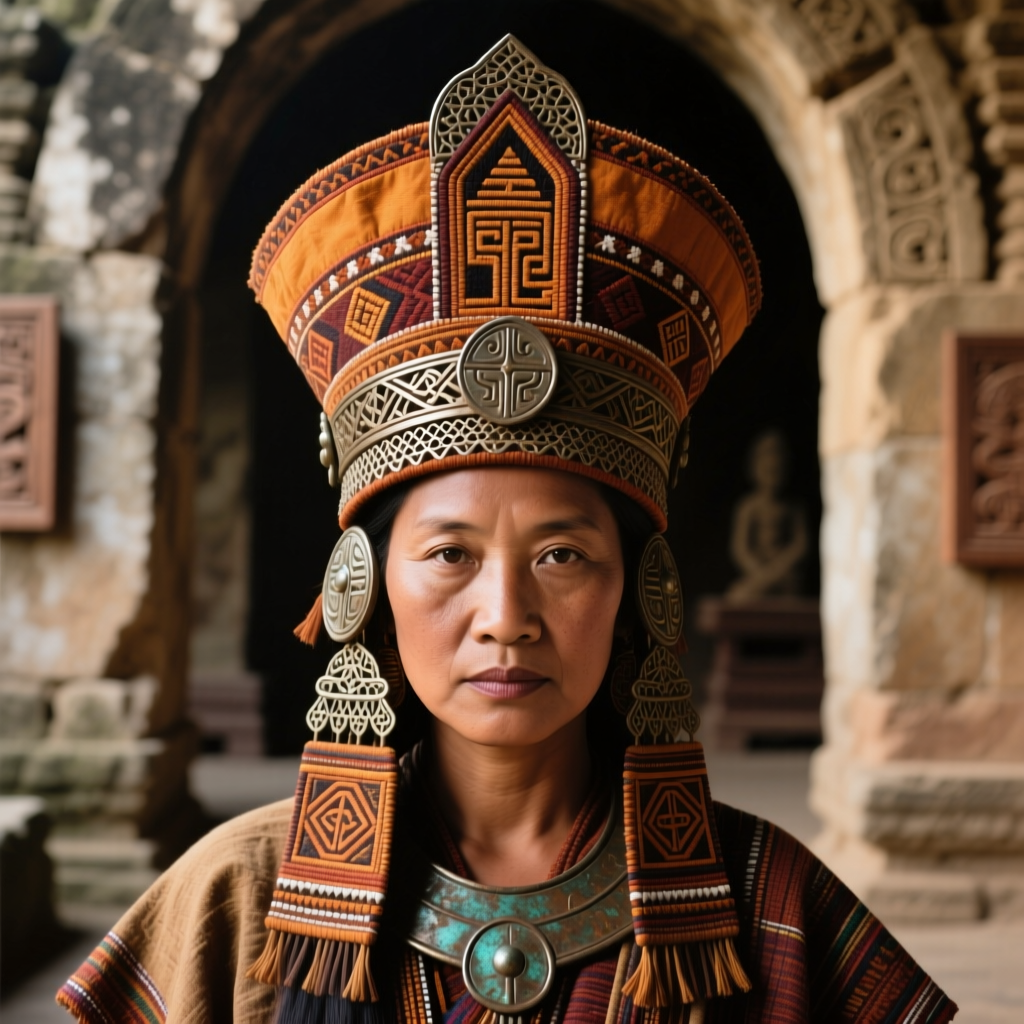
Missionaries and colonial administrators frequently enacted sumptuary laws and strict dress codes that mandated the covering of the body according to Victorian or Edwardian standards of modesty. In many parts of the Americas, Africa, and Oceania, indigenous peoples were forced to abandon garments made from native flora & fauna, woven bark, or hand-spun cotton, replacing them with heavy, restrictive European wools and linens. This was not merely a change in aesthetics; it was a profound psychological disruption. By stripping colonized peoples of their traditional adornments—which often denoted lineage, spiritual protection, and social standing—colonizers sought to dismantle the social fabric of the communities they sought to control.
Furthermore, the Western suit and the corseted gown were established as the universal uniforms of authority, education, and commerce. To participate in the colonial economy, to attend missionary schools, or to engage with the colonial legal system, indigenous and local populations were often required to adopt European dress. This created a lasting psychological association between Western tailoring and professional or intellectual legitimacy, a bias that continues to influence global corporate and formal dress codes today. The erasure of traditional dress from public and political spheres was a deliberate strategy to render indigenous cultures invisible in the modernizing world.
Syncretism and the Evolution of Regional Variations
Despite the overwhelming pressure to assimilate, colonized peoples were not passive recipients of European fashion. Instead, they engaged in profound acts of sartorial syncretism, blending imposed silhouettes with indigenous craftsmanship, textiles, and symbolic motifs. This cultural blending gave birth to entirely new regional variations of dress that are now celebrated as vital components of national heritage.
In the Philippines, the Barong Tagalog stands as a masterful example of colonial adaptation. While the Spanish colonizers required the indigenous population to wear European-style shirts, local artisans subverted this mandate by weaving the garments from piña (pineapple leaf fiber) and jusi (banana silk). The resulting garment was sheer, intricately embroidered with native motifs, and worn untucked over an undershirt—a subtle defiance of European tailoring norms that evolved into a symbol of Filipino national pride and elegance.
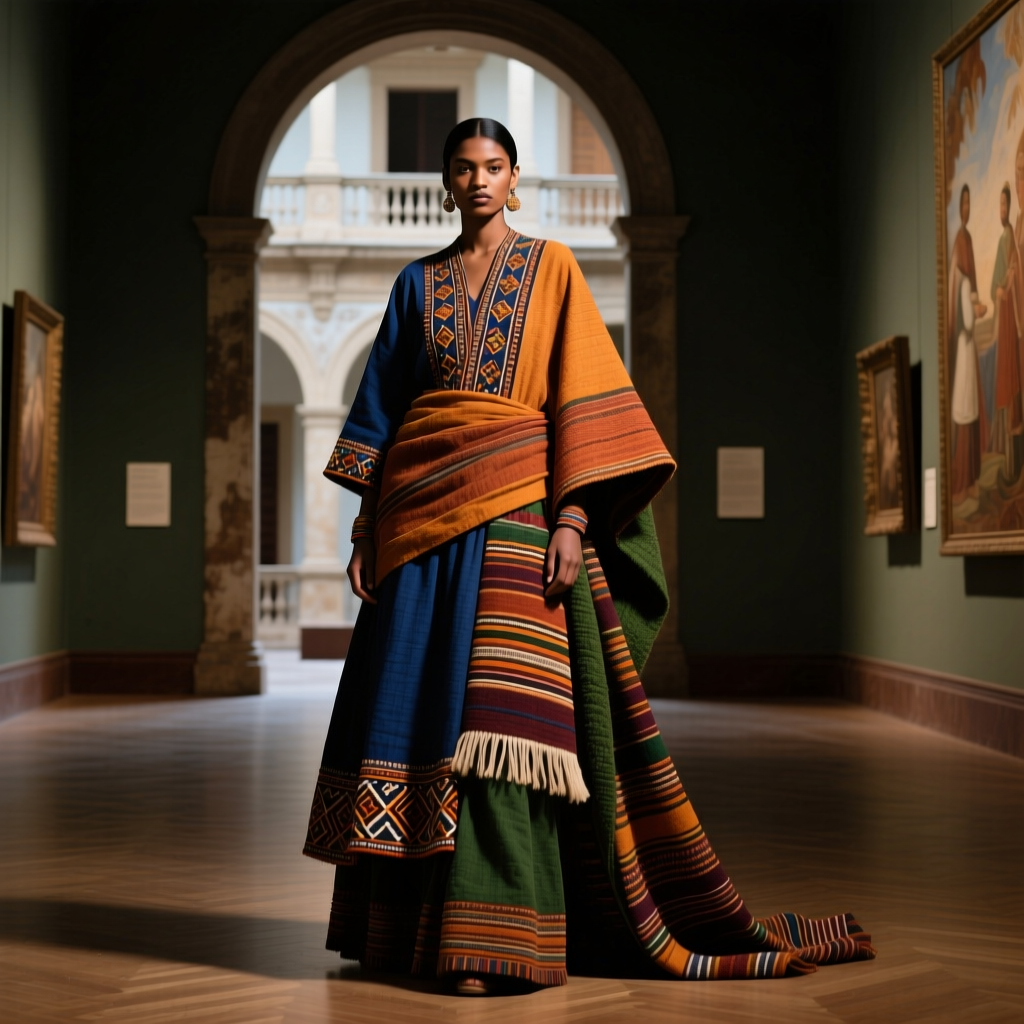
Similarly, in Latin America, the fusion of Spanish colonial dress and indigenous weaving techniques created vibrant regional styles. The Tehuana dress of Oaxaca, Mexico, incorporates European lace and velvet but is constructed and adorned with indigenous Zapotec embroidery and gold jewelry, representing a matriarchal society that maintained its cultural dominance despite colonial pressures. In South Africa, the introduction of European cotton prints by Dutch and German settlers eventually evolved into Shweshwe, a fabric that was eagerly adopted and localized by the Sotho and Xhosa peoples, becoming an indispensable element of traditional Southern African attire.
These examples highlight how the global wardrobe was enriched by the resilience of colonized artisans. By infusing European forms with local meaning, materials, and techniques, these communities ensured their survival. For a deeper look into how specific regions maintained their textile identities, exploring African textile heritage reveals the profound depth of these adaptive traditions.
Disrupted Craftsmanship and the Global Textile Trade
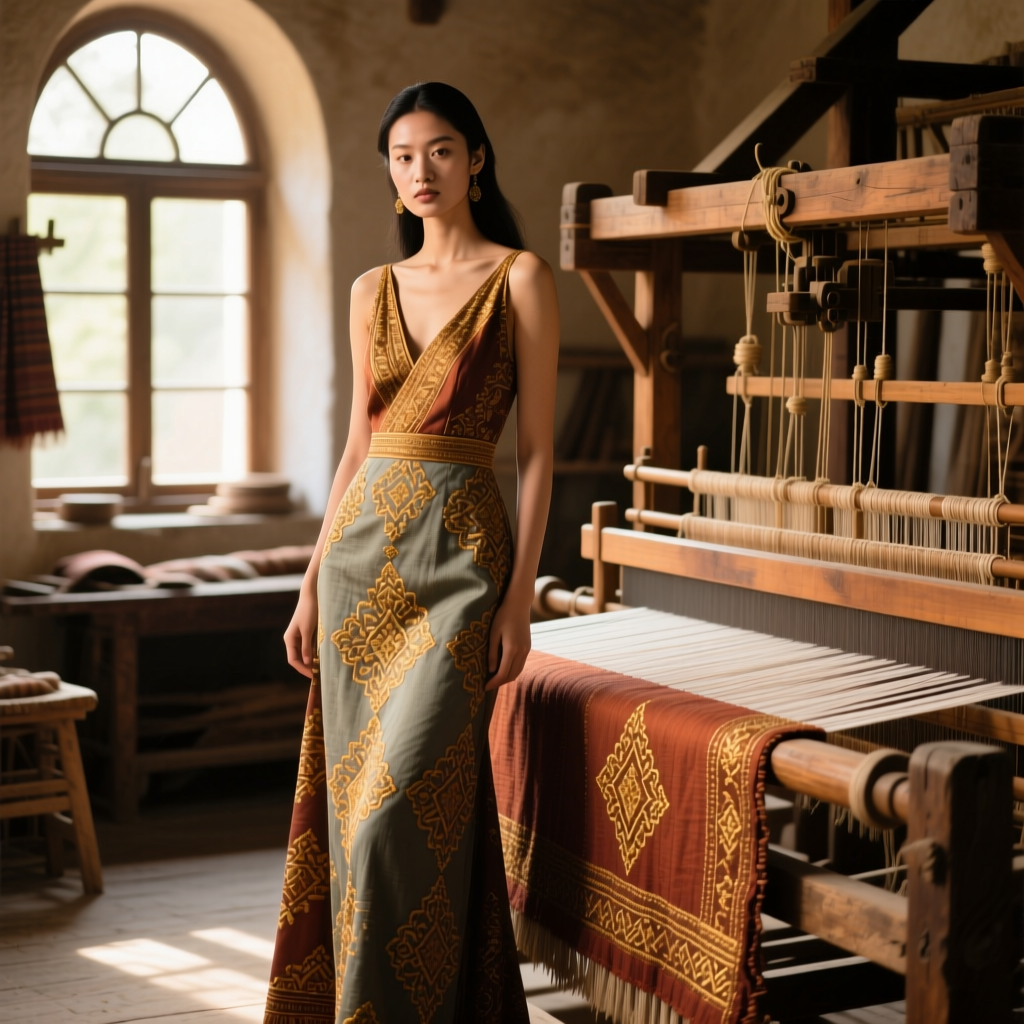
The colonial impact on dress extends far beyond the silhouette; it fundamentally fractured the global ecosystem of textile craftsmanship. Prior to the era of maritime empires, regions such as the Indian subcontinent, West Africa, and the Andes were global epicenters of textile innovation, producing fabrics of unparalleled quality that were traded across continents. Colonialism systematically dismantled these thriving industries to serve the economic interests of the colonizing nations.
The British colonization of India provides one of the most devastating examples of artisanal disruption. Historically, Indian weavers and dyers produced exquisite muslins, chintz, and calicoes that were highly coveted worldwide. To protect their own nascent mill industries, colonial powers imposed heavy tariffs on finished Indian textiles while simultaneously forcing the region to export raw cotton and import mass-produced, machine-woven fabrics from European factories. This deliberate deindustrialization led to the starvation and displacement of millions of weavers, effectively severing a continuous lineage of ancestral craftsmanship that had thrived for millennia. The history of cotton is inextricably linked to this economic exploitation, marking a dark chapter in the evolution of global garment production.
The disruption also extended to the chemistry and artistry of color. Indigenous knowledge of natural dyeing techniques—utilizing native indigo, cochineal, turmeric, and madder—was frequently marginalized or co-opted. The subsequent invention and mass exportation of synthetic aniline dyes by European chemical companies further decimated local dyeing traditions. The nuanced, terroir-specific color palettes that once defined regional garments were replaced by standardized, imported hues. The loss of these artisanal practices meant more than an economic downturn; it represented the erasure of botanical knowledge, spiritual rituals associated with the loom, and the communal structures that sustained village economies.
Reclaiming Identity: Modern Preservation and Decolonizing Fashion
Today, the global fashion landscape is undergoing a vital reckoning with its colonial past. A growing movement of indigenous designers, historians, and artisans are actively engaged in decolonizing the wardrobe, reclaiming ancestral techniques, and challenging the Eurocentric standards that have dominated the industry for centuries. This modern preservation effort is not merely about nostalgia; it is a powerful assertion of sovereignty and cultural continuity.
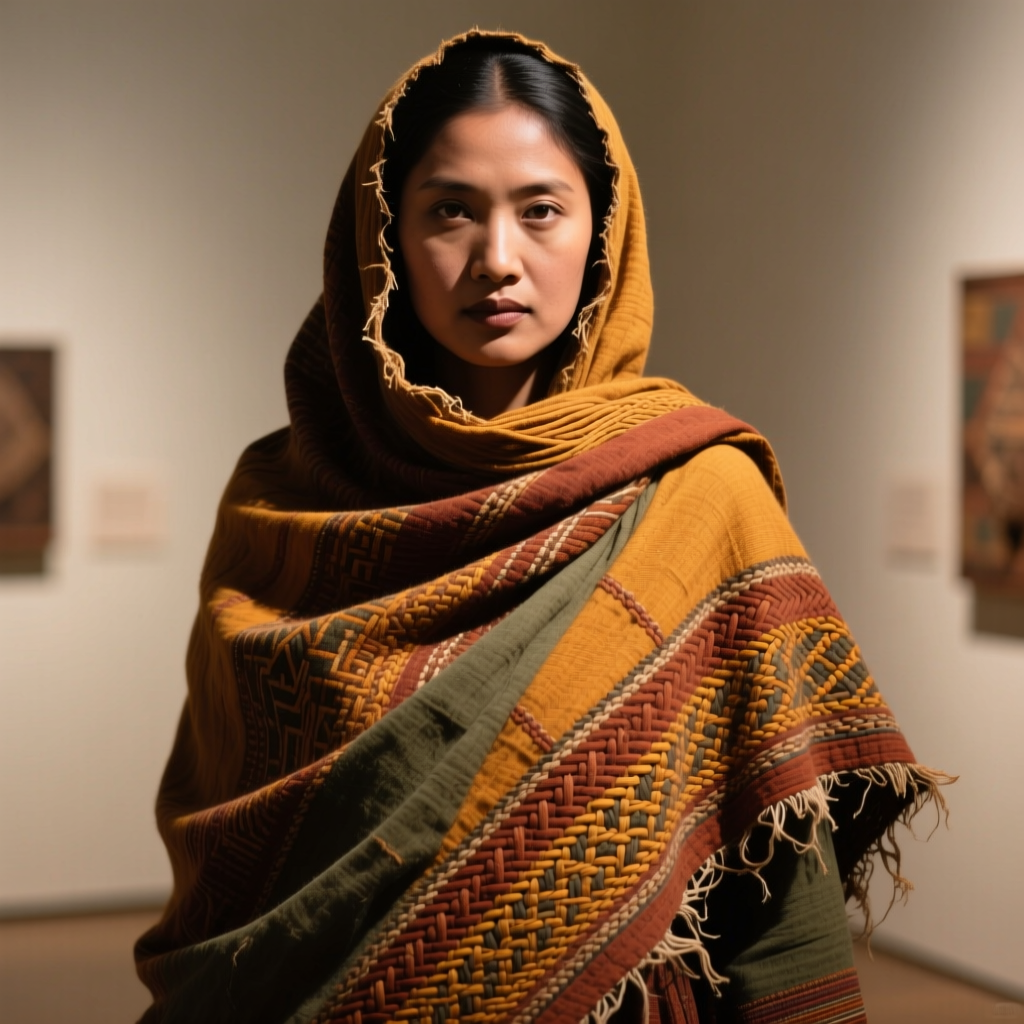
Contemporary indigenous fashion movements are at the forefront of this renaissance. Designers are returning to their communities to learn from the remaining elders who hold the knowledge of backstrap weaving, natural dyeing, and zero-waste pattern cutting. By elevating these techniques to the realm of high fashion and contemporary streetwear, they are dismantling the outdated notion that traditional garments belong only in museums or folklore exhibitions. They are proving that indigenous craftsmanship is dynamic, innovative, and essential to the future of sustainable fashion.
Furthermore, the push for the repatriation of sacred and historically significant garments from Western museums back to their communities of origin is gaining crucial momentum. These artifacts are not mere objects of aesthetic study; they are living ancestors and repositories of lost technical knowledge. Access to these archives allows modern artisans to reverse-engineer forgotten weaving structures and embroidery stitches, effectively breathing life back into dormant traditions.
The modern preservation of garment heritage also involves a fierce critique of contemporary fast fashion, which many scholars identify as a form of neo-colonialism. The exploitation of garment workers in the Global South and the dumping of textile waste in African and South American markets mirror the extractive dynamics of historical empires. By championing slow fashion, supporting artisan cooperatives, and valuing the true cost of traditional Indian textiles and other global crafts, consumers and designers alike can participate in the ongoing process of decolonization and cultural restitution.
Frequently Asked Questions
How did colonialism change traditional textile production?
Colonialism fundamentally altered traditional textile production by shifting colonized regions from exporters of highly skilled, finished garments to exporters of raw materials and importers of mass-produced European factory goods. Through heavy taxation, tariffs, and the introduction of synthetic dyes, colonial powers systematically deindustrialized local weaving, dyeing, and spinning communities. This led to the loss of generational knowledge, the collapse of artisanal economies, and the marginalization of indigenous botanical and engineering expertise in favor of Western industrial manufacturing.
What is an example of colonial syncretism in clothing?
A prominent example of colonial syncretism is the Guayabera shirt, widely worn across the Caribbean, Latin America, and the Philippines. It blends the European requirement for a structured, buttoned shirt with the practical necessity of lightweight, breathable clothing suited for tropical climates. The intricate pleating, embroidery, and use of local linen or cotton represent a localized adaptation of European tailoring, resulting in a garment that transcends its colonial origins to become a celebrated symbol of regional identity and elegance.
How are indigenous communities preserving their garment heritage today?
Indigenous communities are preserving their garment heritage through a combination of grassroots education, archival research, and contemporary design. Elders are actively teaching ancestral techniques—such as backstrap weaving, natural fermentation dyeing, and zero-waste tailoring—to younger generations. Additionally, indigenous designers are integrating these traditional methods into modern silhouettes, ensuring the practices remain economically viable and culturally relevant. The fight for museum repatriation also plays a crucial role, allowing communities to study historical garments and revive lost techniques.
Did colonized peoples ever use dress as a form of resistance?
Yes, dress has historically been a potent tool of resistance against colonial rule. In many instances, colonized peoples deliberately retained or revived traditional garments in defiance of European assimilation mandates. For example, during various independence movements, leaders and citizens adopted indigenous textiles—such as Khadi in India or Kente in West Africa—as political statements of self-reliance, national pride, and rejection of foreign economic dominance. Subverting European silhouettes by crafting them from local, unconventional materials was also a subtle but powerful form of everyday resistance.
How does the colonial legacy affect modern sustainable fashion?
The colonial legacy deeply influences modern sustainable fashion by highlighting the ongoing inequalities in the global supply chain. The historical extraction of resources and labor from the Global South mirrors the modern fast-fashion model, which relies on the exploitation of garment workers in formerly colonized nations. True sustainable fashion requires a decolonial approach: one that centers indigenous ecological knowledge, respects the intellectual property of traditional artisans, ensures fair wages, and shifts the narrative away from Western-centric trends toward a global appreciation of diverse, localized craftsmanship and slow production methods.