Eco-Friendly Hanfu Dyeing 2026: Chinese Indigo & Shoulang Guide
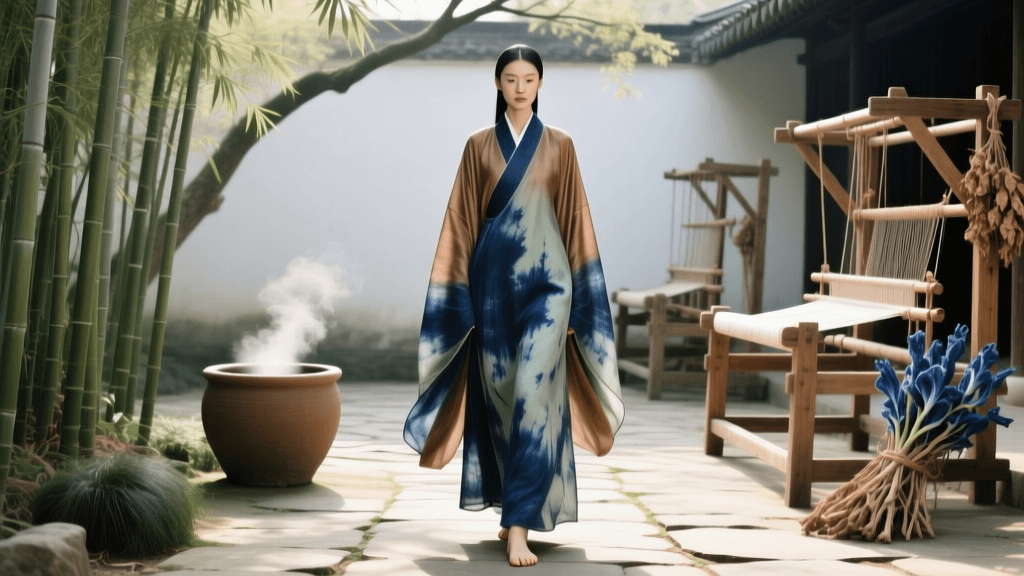
The 2026 Resurgence of Traditional Chinese Natural Dyes
As the global fashion industry faces stricter environmental regulations in 2026, the Hanfu movement has undergone a profound transformation. Modern enthusiasts and artisan designers are no longer satisfied with mass-produced, synthetic-dyed polyester garments. Instead, there is a massive pivot toward authentic, sustainable, and historically accurate natural dyeing techniques. According to the UNEP's sustainable fashion initiative, the textile industry is responsible for nearly 20% of global wastewater, largely due to synthetic dye runoff. In response, Chinese heritage artisans are reviving ancient botanical dye plants, specifically Polygonum tinctorium (Chinese Indigo) and Dioscorea cirrhosa (Shoulang yam), to create zero-waste, eco-friendly garments that honor both history and the planet.
This comprehensive guide explores the botanical science, sustainable cultivation, and practical application of these two powerhouse plants in 2026, offering actionable insights for eco-conscious designers, Hanfu tailors, and home dyers.
Polygonum Tinctorium: The Science of Chinese Indigo
Chinese Indigo, derived from the leaves of Polygonum tinctorium, has been the cornerstone of Asian textile coloration for millennia. As documented by botanical authorities like Kew Science's Plants of the World Online, this plant thrives in the subtropical climates of southern China, particularly in Guizhou and Yunnan provinces. The leaves contain a colorless precursor called indican. When the leaves are soaked in water and fermented, enzymes break the indican down into indoxyl, which, upon exposure to oxygen, oxidizes into the brilliant, colorfast blue pigment we know as indigo.
The 2026 Shift to Organic Fructose Vats
Historically, and even in recent industrial practices, indigo was reduced to its water-soluble 'leuco' state using sodium dithionite, a harsh chemical that produces toxic sulfite byproducts. However, in 2026, the standard for eco-friendly Hanfu production has shifted entirely to organic reduction vats. Artisans now utilize organic fructose, henna, and calcium hydroxide (slaked lime) to create an alkaline, oxygen-free environment. This 'fructose vat' method is entirely biodegradable. The spent vat liquid can be safely neutralized and used to irrigate non-edible crops, closing the loop on water waste and aligning with the stringent zero-effluent discharge standards enforced in China's textile hubs this year.
Dioscorea Cirrhosa (Shoulang): The Secret Behind Xiangyunsha
While indigo provides the blues, Dioscorea cirrhosa, commonly known as Shoulang or the gambiered yam, provides the rich, earthy browns and deep blacks characteristic of luxury summer Hanfu and traditional Qipao. The tubers of this yam are incredibly rich in tannins and natural phenolic compounds.
The most famous application of Shoulang is the creation of Xiangyunsha (Gambiered Guangdong Gauze), a silk fabric that is widely considered one of the most sustainable luxury textiles in the world. The process involves repeatedly soaking silk in the juice of crushed Shoulang tubers and then spreading it on grassy fields to dry in the sun. The final, crucial step involves coating the fabric in iron-rich river mud from the Pearl River Delta. The tannins in the yam react with the iron in the mud to create a permanent, pitch-black coating on one side of the fabric, while the other side remains a warm, coppery brown.
Sustainability and Wearability in 2026
In 2026, Xiangyunsha is highly prized not just for its aesthetic, but for its functional sustainability. The Shoulang dye imparts natural antimicrobial, UV-resistant, and moisture-wicking properties to the silk. As climate temperatures continue to fluctuate, Hanfu made from Shoulang-dyed ramie and silk offers a naturally cooling, skin-friendly alternative to synthetic performance fabrics. Furthermore, the mud-curing process requires no synthetic fixatives, and the river mud is returned to the ecosystem without chemical contamination.
Comparative Analysis: Natural vs. Synthetic Dyes in 2026
To understand the market shift, we must look at the comparative data between heritage natural dyes and their synthetic counterparts. The following table outlines the key metrics for artisan dyers sourcing materials in 2026.
| Dye Source | Active Compound | Reduction/Mordant Needed | 2026 Avg. Market Price (USD/kg) | Color Fastness & Eco-Impact |
|---|---|---|---|---|
| Polygonum tinctorium (Indigo) | Indican / Indigotin | Organic Fructose + Calcium Hydroxide | $45.00 - $60.00 | Excellent wash fastness; 100% biodegradable vat. |
| Dioscorea cirrhosa (Shoulang) | Condensed Tannins | Iron-rich mud or natural ferrous sulfate | $35.00 - $50.00 | Superior UV/light fastness; zero toxic runoff. |
| Synthetic Azo Dyes (Standard) | Petrochemical Azo compounds | Heavy metal mordants / chemical fixatives | $8.00 - $12.00 | High fastness, but severe aquatic toxicity. |
| Synthetic Indigo (Reduced) | Indigotin (Synthetic) | Sodium Dithionite | $15.00 - $20.00 | Good fastness; high sulfite water pollution. |
As highlighted by transparency advocates at Fashion Revolution, consumers in 2026 are increasingly demanding supply chain transparency, pushing brands to justify the higher upfront cost of natural dyes through verifiable ecological and social benefits.
Step-by-Step: Building a 2026 Eco-Friendly Fructose Indigo Vat
For home artisans and small-batch Hanfu studios, creating a chemical-free indigo vat is easier than ever with the standardized organic recipes popularized in 2026. Here is a precise guide to building a 5-gallon (approx. 19-liter) fructose reduction vat.
Ingredients and Measurements
- Water: 5 gallons of warm, dechlorinated water (approx. 120°F / 50°C).
- Indigo Pigment: 100g of finely milled, organically grown Polygonum tinctorium powder.
- Calcium Hydroxide (Slaked Lime): 150g. This raises the pH to the necessary alkaline level (pH 11-12) for reduction.
- Organic Fructose Powder: 200g. This acts as the reducing agent, consuming the dissolved oxygen in the water.
The Process
- Hydration: In a separate glass jar, mix the 100g of indigo powder with a small amount of warm water and a splash of rubbing alcohol to break the surface tension. Stir into a smooth paste.
- Alkaline Bath: Add the 150g of calcium hydroxide to your 5-gallon vat of warm water. Stir gently and let it settle for 10 minutes.
- Reduction: Stir in the 200g of fructose powder. The liquid will turn a murky yellow-green.
- Combining: Gently pour the indigo paste into the vat. Stir slowly in a circular motion to avoid introducing new oxygen. Cover the vat with an airtight lid.
- Incubation: Let the vat sit in a warm environment (around 100°F / 38°C) for 24 to 48 hours. A coppery 'flower' will form on the surface, and the liquid underneath will be a clear, yellowish-green. This indicates the indigo has been successfully reduced to leuco-indigo and is ready for dyeing.
- Dyeing: Submerge your pre-scoured, soy-milk-treated Hanfu fabric. Leave it in the vat for 10 minutes, then remove it. As it hits the air, it will magically oxidize from yellow-green to deep blue. Repeat 5 to 8 times for a rich, dark navy.
The Role of Soy Milk and Natural Mordants
One of the most significant advancements in 2026 eco-dyeing is the widespread adoption of soy milk as a natural protein binder. Traditional cellulosic fibers used in everyday Hanfu, such as cotton, hemp, and ramie, do not naturally bond well with certain natural dyes without heavy metal mordants like alum or tin, which can be environmentally taxing if not managed correctly.
By soaking raw ramie or cotton fabrics in a solution of water and pure, unflavored soy milk (ratio of 1 part soy milk to 5 parts water) and allowing it to cure in the shade, artisans coat the plant fibers in soy protein. This protein layer mimics the structure of silk and wool, allowing natural dyes like Shoulang and various floral anthocyanins to bond permanently to the fabric without the need for metallic salts. This technique, known as 'soy milk curing,' is now a standard prerequisite in sustainable Hanfu manufacturing, ensuring vibrant colors and exceptional wash-fastness while keeping the fabric 100% compostable at the end of its lifecycle.
Sourcing Sustainable Dye Materials in 2026
Sourcing authentic, ethically harvested dye plants requires diligence. In 2026, look for suppliers who provide Global Organic Textile Standard (GOTS) certification or verifiable regenerative agriculture credentials. For Polygonum tinctorium, cooperatives in Guizhou now offer traceable batches where the indigo is fermented using traditional wood-ash lye methods before being dried into a stable powder for international shipping. For Dioscorea cirrhosa, ensure the tubers are wild-harvested or farmed using crop-rotation methods that prevent soil depletion. Avoid pre-reduced synthetic indigo crystals masquerading as natural; true natural indigo powder will have a slightly earthy, vegetal scent and will not dissolve instantly in cold water.
Conclusion: Weaving the Future with Roots in the Past
The integration of Polygonum tinctorium and Dioscorea cirrhosa into modern Hanfu production is more than a nostalgic trend; it is a vital step toward a regenerative fashion ecosystem. By embracing organic fructose vats, iron-mud curing, and soy-milk protein binding, the 2026 artisan community is proving that traditional Asian garments can lead the global charge in sustainability. As you plan your next Hanfu collection or home-dyeing project, remember that every dip into a natural indigo vat is a commitment to cleaner waterways, healthier soil, and the enduring legacy of Asian textile heritage.