Chinese Fashion Creators Driving Hanfu Couture in 2026
The New Era of Chinese Fashion Journalism
In 2026, the landscape of Asian fashion media has undergone a radical transformation. The days of superficial outfit-of-the-day posts and fleeting trend roundups have been decisively replaced by rigorous, investigative digital journalism. Leading this charge is a new generation of Chinese fashion content creators and bloggers who are treating traditional garments not merely as aesthetic choices, but as vital cultural artifacts requiring meticulous documentation. Platforms like Xiaohongshu (Little Red Book), Bilibili, and Douyin have evolved into digital archives where heritage textiles are analyzed with the same academic rigor once reserved for institutional museums.
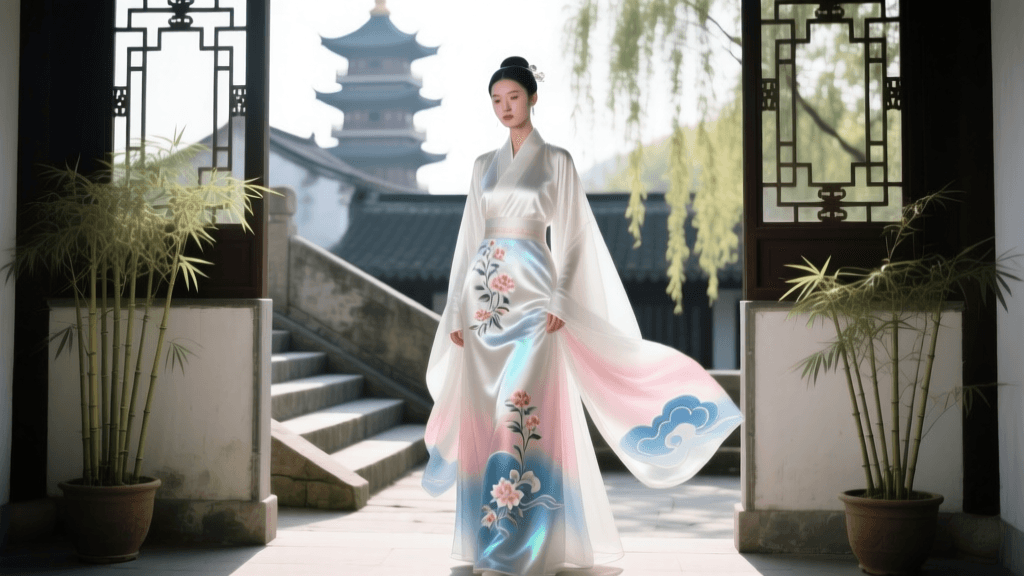
This shift is profoundly impacting the global perception of Asian traditions. According to coverage by the South China Morning Post's fashion and beauty desk, the 'Guochao' (national trend) movement has matured from a marketing buzzword into a deeply researched cultural renaissance. Modern Chinese fashion journalists are spending months embedded in artisanal weaving villages, producing long-form video essays and interactive digital zines that decode the complex history, chemistry, and sociology of traditional Chinese clothing. This deep-dive approach is single-handedly driving the global demand for authentic heritage garments, pushing the market for traditional Hanfu couture to unprecedented heights in 2026.
From Influencers to Investigative Textile Historians
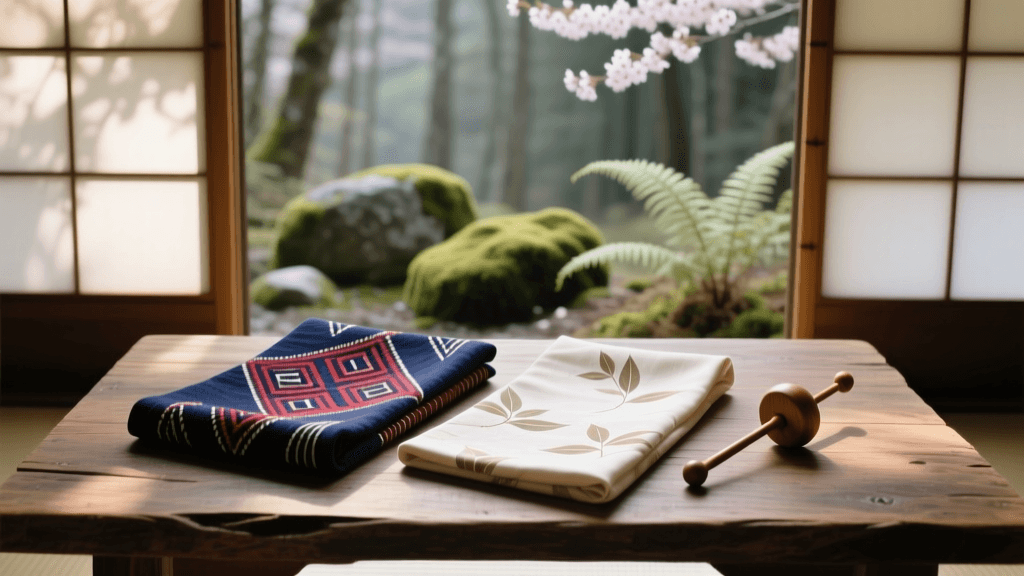
The modern Chinese fashion blogger in 2026 operates at the intersection of a historian, a chemist, and a stylist. Rather than simply showcasing a finished Ming dynasty-style Mamianqun (horse-face skirt), these creators produce multi-part documentary series detailing the provenance of the silk, the specific loom technology used, and the historical accuracy of the pleating ratios. This commitment to factual, educational content has cultivated a highly discerning audience that demands transparency and authenticity, effectively weeding out mass-produced, historically inaccurate knock-offs from the market.
Spotlight on Xiangyunsha: The Blogger-Driven Silk Renaissance
Nowhere is this digital journalism renaissance more evident than in the revival of Xiangyunsha, also known as Gambiered Guangdong Silk. Recognized for its unique, labor-intensive dyeing process, Xiangyunsha has become the ultimate benchmark for authenticity among Chinese fashion creators in 2026. The fabric is renowned for its rich, dark hues, its cool touch against the skin, and its distinctive crackling sound when worn.
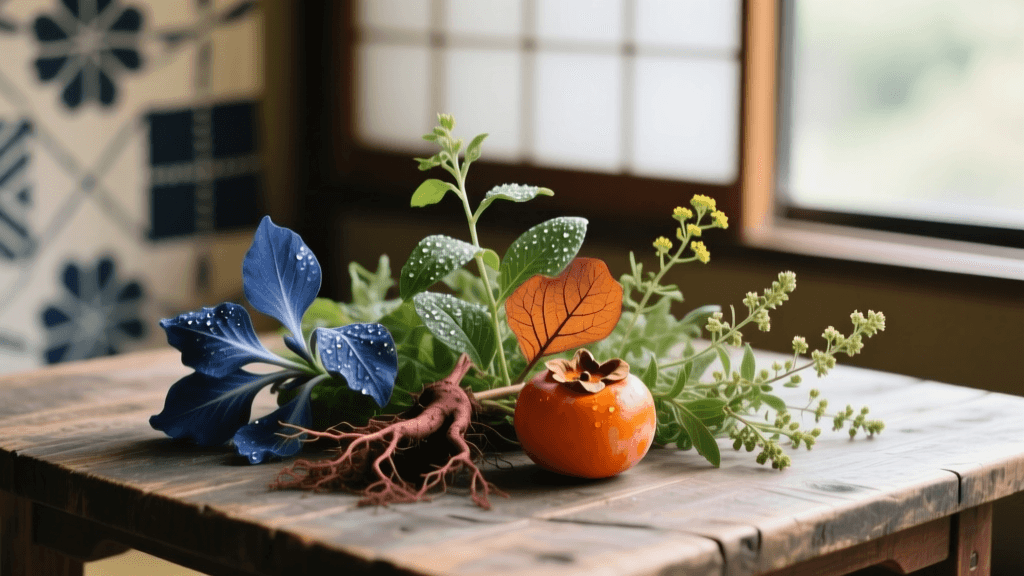
Digital journalists have taken it upon themselves to document the grueling 30-step process required to create genuine Xiangyunsha. Through high-definition macro videography, bloggers showcase how raw silk is repeatedly soaked in the juice of the Dioscorea cirrhosa tuber, dried under the intense Guangdong sun, and finally coated with iron-rich river mud. The chemical reaction between the tannins in the tuber juice and the iron in the mud creates the fabric's signature dark, lustrous finish. By demystifying this process, creators have educated consumers on why authentic Xiangyunsha commands premium prices, thereby protecting the livelihoods of master dyers.
Decoding the Market: Authentic vs. Mass-Produced Silk
To help their followers navigate the increasingly crowded heritage market, top Chinese fashion blogs in 2026 frequently publish comparative guides. Below is a standardized comparison chart frequently utilized by digital journalists to educate consumers on the differences between genuine artisanal Xiangyunsha and mass-market imitations.
| Feature | Mass-Market 'Tourist' Silk | Blogger-Verified Artisanal Xiangyunsha |
|---|---|---|
| Dyeing Process | Chemical synthetic dyes, machine-tumbled | 30-step natural process using Dioscorea cirrhosa and river mud |
| Production Time | 24 to 48 hours per batch | Minimum 15 days, heavily dependent on solar and wind conditions |
| Texture and Sound | Soft, silent, lacks structural memory | Crisp, water-resistant, produces a signature crackling sound |
| Price Point (2026) | 150 to 400 RMB per meter | 1,200 to 3,500 RMB per meter |
| Geographic Origin | Various industrialized global textile hubs | Strictly limited to specific regions in Shunde, Guangdong |
Three Dominant Creator Archetypes on Xiaohongshu and Bilibili
As the digital journalism space has matured, distinct archetypes of fashion creators have emerged, each contributing a unique perspective to the preservation and promotion of Asian traditions.
1. The Archival Historian
These creators treat historical texts, ancient paintings, and museum archives as their primary source material. In 2026, Archival Historians are heavily focused on the structural evolution of the Qipao and the Ruqun. They utilize 3D modeling software and digital pattern-making tools to reverse-engineer garments depicted in Tang and Song dynasty artwork. Their content often features side-by-side comparisons of historical artifacts and their meticulously recreated modern counterparts, providing a masterclass in historical accuracy. Their work is frequently cross-referenced with digital collections from institutions like the Metropolitan Museum of Art's Asian Art department, bridging the gap between Eastern heritage and Western institutional archives.
2. The Textile Scientist
Focusing on the microscopic and chemical realities of heritage fabrics, the Textile Scientist appeals to the deeply analytical consumer. These bloggers bring portable microscopes and spectrometers to artisanal villages. They produce content that explains the tensile strength of hand-reeled silk versus machine-reeled silk, or the specific mordanting techniques used to achieve the elusive 'imperial yellow' using pagoda tree buds. Their rigorous, peer-reviewed approach to fashion journalism has elevated the discourse around traditional textiles, aligning it with global conversations about material science and sustainable engineering.
3. The Sustainable Stylist
With the global fashion industry facing intense scrutiny over its environmental impact, the Sustainable Stylist positions traditional Chinese garments as the ultimate antidote to fast fashion. These creators focus on the longevity, repairability, and zero-waste cutting techniques inherent in traditional Hanfu construction. In 2026, they are leading the charge in 'heritage upcycling,' teaching their audiences how to source vintage, damaged textiles from secondhand markets and restore them using traditional embroidery and darning techniques. Their content emphasizes that true sustainability is not just about using organic cotton, but about embracing a philosophy of garment longevity that Asian cultures have practiced for centuries.
Bridging Heritage and Global Runways
The influence of these Chinese fashion blogs extends far beyond domestic consumer education; they are actively shaping global luxury trends in 2026. International fashion houses and trend forecasting agencies now routinely monitor top Bilibili and Xiaohongshu creators to gauge the authentic pulse of Asian heritage trends. When a coalition of top digital journalists publishes an exhaustive, multi-part investigation into the revival of Song Brocade (Songjin), it inevitably triggers a ripple effect across global design studios.
Furthermore, the meticulous documentation of intangible cultural heritage crafts by these bloggers provides vital support for preservation efforts. By bringing global visibility and economic viability to remote weaving and dyeing villages, these digital journalists are ensuring that ancient techniques survive the pressures of modern industrialization. As noted by the UNESCO Intangible Cultural Heritage lists, the safeguarding of traditional craftsmanship relies heavily on community engagement and contemporary relevance—two elements that Chinese fashion bloggers deliver in abundance.
The Economics of Digital Heritage Journalism
The financial ecosystem supporting this niche journalism has also matured. In 2026, top-tier heritage fashion bloggers are no longer reliant solely on brand sponsorships. Instead, they are funded through subscriber-supported digital zines, premium masterclasses on traditional pattern drafting, and direct-to-consumer collaborations with verified artisanal guilds. A limited-run Mamianqun, co-designed by a prominent digital journalist and a master weaver in Nanjing, can easily command upwards of 8,000 RMB, selling out within minutes of dropping on exclusive digital platforms. This economic model proves that audiences are willing to pay a premium for garments backed by rigorous storytelling and verifiable authenticity.
Conclusion: The Future of Asian Traditions in Digital Media
The evolution of Chinese fashion journalism in 2026 represents a profound triumph for the preservation of Asian traditions. By combining the reach of modern social media with the rigor of academic research and the aesthetic sensibility of high fashion, these content creators are ensuring that garments like the Hanfu and textiles like Xiangyunsha are not relegated to museum displays. Instead, they are celebrated as living, breathing elements of a dynamic cultural identity. As digital tools continue to advance, the depth and global reach of this investigative fashion journalism will only grow, securing the legacy of Asian heritage textiles for generations to come.