Ceremonial vs Everyday Korean Hanbok: 2026 Buyer Guide
The Evolution of the Korean Hanbok in 2026
The Korean hanbok is a masterclass in structural elegance, characterized by its vibrant colors, flowing lines, and intricate detailing. However, as global interest in traditional Asian garments continues to surge in 2026, a distinct dichotomy has emerged within the market: the divide between heavy, ornate ceremonial wear and the lightweight, practical everyday hanbok. For collectors, cultural enthusiasts, and modern fashion consumers, understanding the nuanced differences between these two categories is essential for making informed purchasing decisions. Whether you are preparing for a traditional wedding or looking to integrate heritage fashion into your daily wardrobe, navigating the 2026 hanbok landscape requires a deep understanding of silhouette, fabric technology, and cultural context.
Ceremonial Hanbok: The Opulence of Hwalot and Wonsam
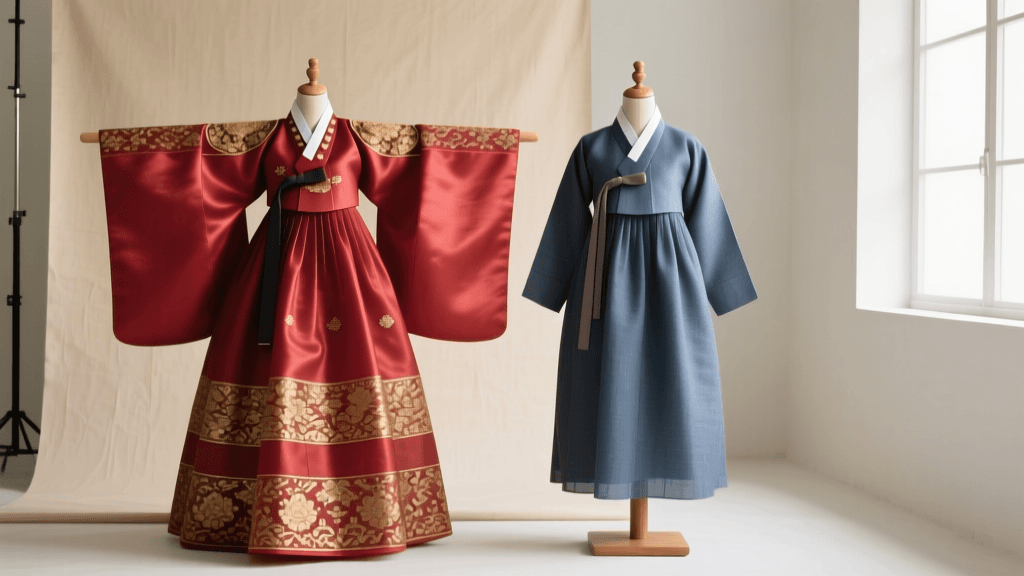
Ceremonial hanbok is rooted in the strict sumptuary laws and court traditions of the Joseon Dynasty. The two most prominent garments in this category are the Hwalot (the traditional bridal robe) and the Wonsam (a formal court or highly ceremonial robe). These garments are designed to project status, virtue, and solemnity. The silhouette is exceptionally voluminous, featuring wide, sweeping sleeves that extend well past the hands, and a heavily layered skirt (chima) that creates a bell-like shape when the wearer is seated or standing still.
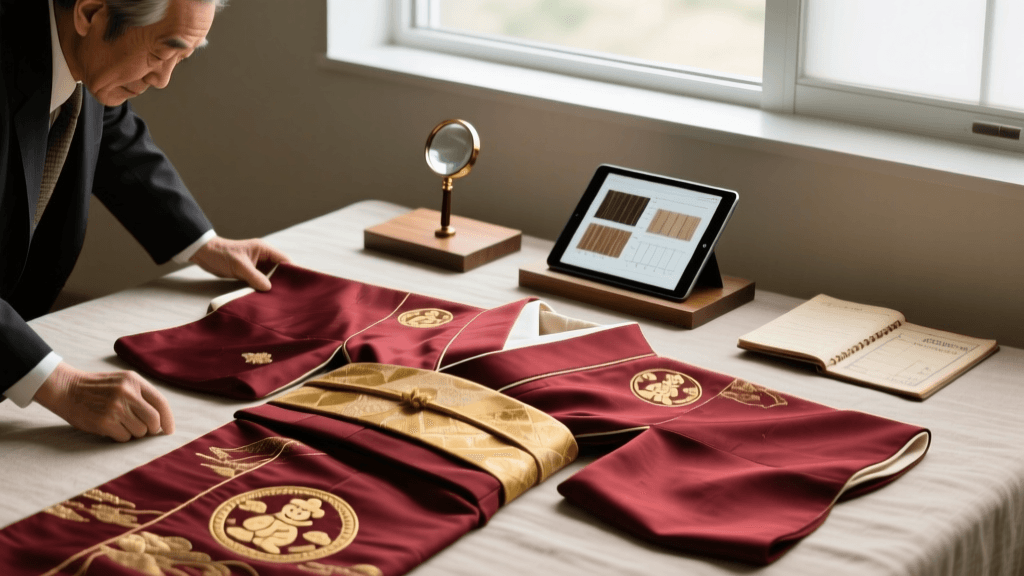
The construction of a ceremonial hanbok is incredibly labor-intensive. According to preservation guidelines highlighted by the Cultural Heritage Administration of Korea, traditional ceremonial robes utilize multiple layers of silk to achieve their rigid, structured drape. The outer layers are often adorned with geumbak (gold leaf stamping) and elaborate embroidery featuring motifs like phoenixes, peonies, and butterflies, which symbolize longevity, prosperity, and marital harmony. Because of the sheer weight of the fabrics and the density of the embroidery, a full ceremonial Hwalot can weigh upwards of 5 to 7 kilograms. In 2026, authentic, hand-embroidered ceremonial pieces are considered wearable art, often commissioned months in advance from master artisans in Seoul's Bukchon Hanok Village.
Everyday Hanbok: The Practicality of Saenghwal and Gaeryang
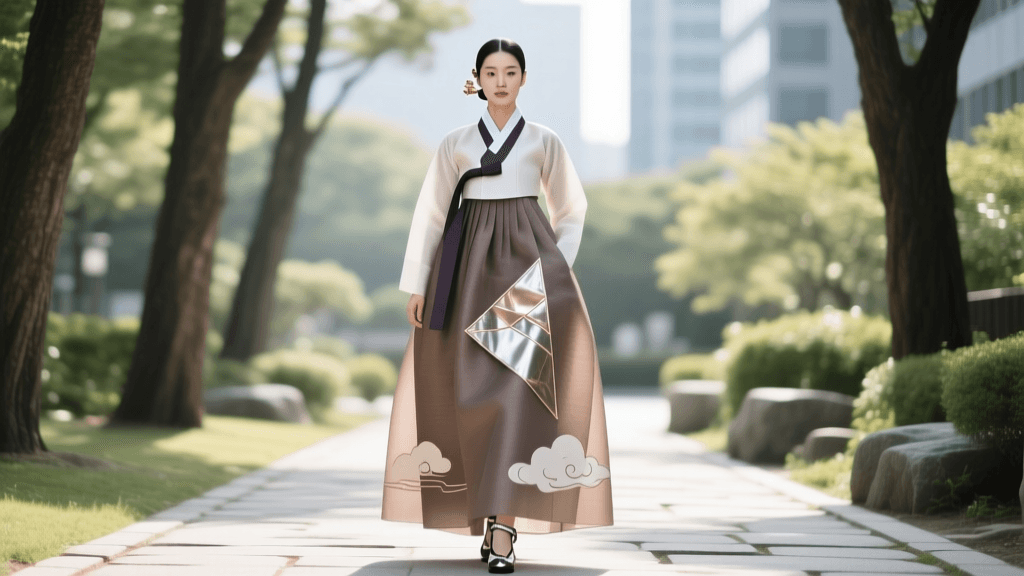
On the opposite end of the spectrum is the everyday hanbok, which has undergone a massive renaissance over the last decade. This category is generally split into two sub-types: Saenghwal Hanbok (daily life hanbok) and Gaeryang Hanbok (modernized or improved hanbok). The Saenghwal hanbok retains the traditional silhouette—the short jacket (jeogori) and high-waisted skirt or trousers (baji)—but drastically simplifies the construction for modern convenience. The sleeves are narrowed, the skirt length is often raised to the mid-calf or ankle, and the traditional complex tying systems are replaced with hidden hooks, elastic waistbands, and side zippers.
The Gaeryang hanbok takes modernization a step further, blending traditional aesthetics with contemporary streetwear and office-appropriate fashion. As noted in recent design exhibitions hosted by the Korea Craft & Design Foundation, 2026 Gaeryang designs frequently incorporate sustainable, eco-friendly textiles like Tencel, organic cotton, and recycled polyester blends. These fabrics are machine-washable, wrinkle-resistant, and breathable, making them suitable for commuting, cafe-hopping, and casual travel. The vibrant, contrasting colors of ceremonial wear are often replaced with muted earth tones, pastels, or minimalist monochromatic palettes that align with modern minimalist fashion trends.
2026 Comparison Chart: Ceremonial vs. Everyday Hanbok
| Feature | Ceremonial (Hwalot / Wonsam) | Everyday (Saenghwal / Gaeryang) |
|---|---|---|
| Primary Fabrics | Heavy silk, ramie, satin brocade | Cotton, linen, Tencel, poly-blends |
| Skirt Length (Chima) | Floor-sweeping, heavily layered | Ankle, mid-calf, or knee-length |
| Sleeve Width | Extremely wide, floor-dragging | Narrow, fitted to the wrist |
| Fastening System | Complex ribbon ties (goreum), pins | Hidden zippers, elastic, snap hooks |
| 2026 Price Range (USD) | $1,500 - $5,000+ (Custom) | $80 - $250 (Ready-to-wear) |
| Care & Maintenance | Professional dry clean, archival storage | Machine wash cold, hang dry |
| Best Occasions | Weddings, Doljanchi, ancestral rites | Daily wear, office, casual travel |
Sourcing and Pricing in the 2026 Market
If you are looking to purchase a hanbok in 2026, the sourcing channels differ vastly depending on the type of garment you seek. For ceremonial hanbok, bespoke tailoring is the standard. Buyers typically visit specialized boutiques in Seoul's Insadong or Jeonju Hanok Village. The process involves multiple fittings, and the cost reflects the artisanal labor. A standard ceremonial Wonsam begins around $1,500, while a fully embroidered bridal Hwalot crafted with genuine gold leaf and silk threads can easily exceed $5,000. Rental options are available for tourists and single-use events, typically costing between $150 and $300 for a 24-hour period.
Conversely, everyday hanbok is highly accessible through both physical retail and e-commerce. Brands like The Hanbok Story, Leesle, and Hanbok L dominate the ready-to-wear market. In 2026, a high-quality, machine-washable Saenghwal hanbok set (jeogori and chima) retails for an average of $120 to $180. Gaeryang hanbok, which often features designer collaborations and limited-edition prints, can range from $200 to $350. These brands frequently offer international shipping, making everyday hanbok a globally accessible fashion staple.
Measurements and Fit: Getting the Silhouette Right
The fit of a hanbok is fundamentally different from Western tailoring. While Western clothing often hugs the body's contours, the hanbok is designed to create a new, artificial silhouette that obscures the natural body shape. When ordering or buying, three critical measurements are required:
- Gaseum (Chest/Bust): For the jeogori, the measurement is taken across the fullest part of the bust and the upper back. In everyday hanbok, this determines the placement of the hidden hooks or the stretch of the fabric. In ceremonial wear, it dictates the overlap of the front panels.
- Heori (Waist): The hanbok waist sits much higher than the natural waist, typically just under the bust line. For everyday skirts with elastic bands, this measurement ensures the skirt sits securely without digging into the ribs.
- Poom (Arm Length/Width): Measured from the base of the neck, across the shoulder, and down to the wrist. In 2026 everyday hanbok, the sleeve ends exactly at the wrist bone for practicality. In ceremonial wear, the poom measurement is extended to allow the sleeves to drape elegantly over the hands.
Styling, Footwear, and Accessories
Styling a hanbok requires an understanding of proportion and accessory hierarchy. For ceremonial wear, the outfit is incomplete without traditional footwear known as hwa (silk or leather shoes with upturned toes) and white cotton socks (beoseon). The hair is traditionally styled in an elaborate updo secured with a binyeo (a long ornamental hairpin) made of jade, gold, or carved wood. A norigae (a decorative tassel pendant) is tied to the goreum (jacket ribbon) or the waistband of the skirt, serving as a focal point of color and movement.
For everyday hanbok in 2026, styling rules are much more relaxed and experimental. Modern wearers frequently pair Saenghwal skirts with contemporary knitwear or turtlenecks instead of the traditional jeogori. Footwear has also evolved; while traditional hwa are still worn for photoshoots, everyday hanbok is routinely paired with leather loafers, Mary Janes, or even minimalist white sneakers for a streetwear aesthetic. The norigae is often replaced with modern brooches, or omitted entirely for a cleaner, minimalist look.
Care and Maintenance Guidelines
Proper care is vital to preserving the integrity of these garments, and the maintenance routines for ceremonial and everyday hanbok could not be more different. The National Folk Museum of Korea emphasizes that historical and high-end ceremonial textiles are highly susceptible to humidity and light damage. A ceremonial Hwalot or Wonsam must never be washed with water. It requires professional dry cleaning by specialists who understand traditional dyes. Between wears, it should be aired out in the shade, folded with acid-free tissue paper to prevent permanent creasing in the silk, and stored in a breathable cotton garment bag with natural camphor wood to deter insects.
Everyday hanbok, by contrast, is designed for the rigors of modern life. Most 2026 Saenghwal and Gaeryang garments made from cotton, linen, or poly-blends can be machine washed on a gentle, cold-water cycle. It is crucial to use a mesh laundry bag to protect the delicate ribbon ties (goreum) from snagging or tearing in the drum. After washing, the garments should be hung to dry away from direct sunlight to prevent the vibrant dyes from fading. A quick steam iron on a low setting is usually all that is needed to restore the crisp lines of the jeogori collar and the smooth drape of the chima.
Conclusion
The Korean hanbok in 2026 is not a monolith; it is a dynamic spectrum of fashion that bridges the gap between ancient courtly opulence and modern daily practicality. Whether you are investing in a breathtaking, hand-embroidered Hwalot for a once-in-a-lifetime ceremony, or adding a sleek, sustainable Gaeryang skirt to your daily office rotation, understanding the structural and material differences between these garments ensures you honor the tradition while embracing the future of Asian fashion.