Authentic Silk Hanbok Shopping: Top 2026 Online Marketplaces
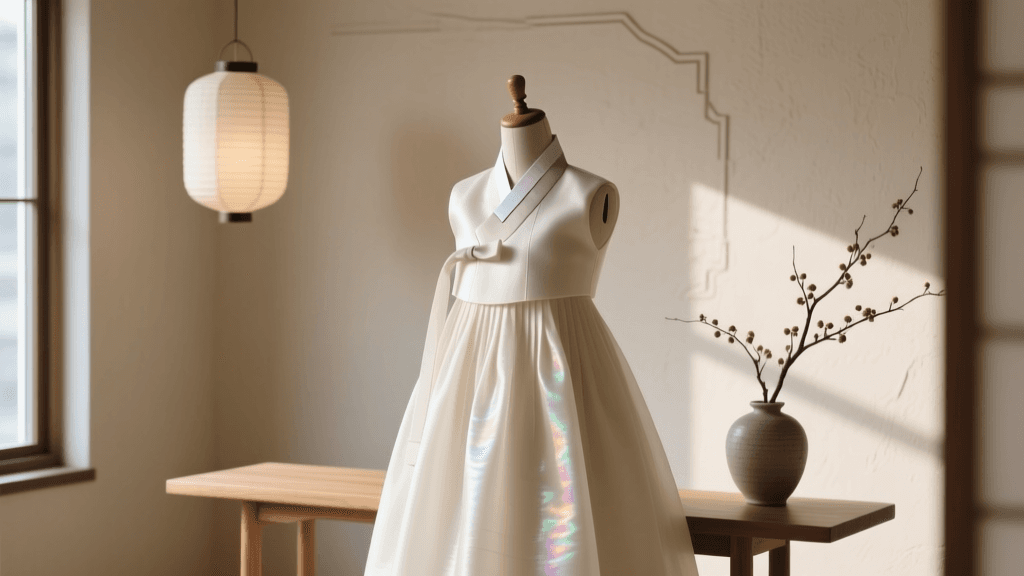
The 2026 Hanbok Market: Authenticity vs. Fast Fashion
The global appetite for traditional Asian garments has reached unprecedented heights in 2026, driven by a sustained international interest in Korean historical dramas, cultural heritage tourism, and the modernization of traditional silhouettes for everyday streetwear. Among these garments, the Korean hanbok stands out for its elegant lines, vibrant colors, and deep philosophical roots. However, this massive surge in global demand has birthed a secondary online market flooded with mass-produced, synthetic replicas that compromise both the cultural integrity and the physical quality of the garment.
For serious collectors, cultural enthusiasts, and those seeking high-quality ceremonial wear, navigating the digital marketplace requires a highly discerning eye. Distinguishing between genuine, artisan-crafted hanbok and dropshipped polyester costumes is the primary challenge for international buyers today. Authentic hanbok relies on specific natural fibers, traditional flat-pattern cutting, and meticulous hand-stitching techniques that fast-fashion algorithms simply cannot replicate. According to the National Folk Museum of Korea, the structural integrity and philosophical symbolism of the hanbok are intrinsically tied to its natural materials and harmonious color palettes, making the choice of fabric paramount.
Where to Buy Authentic Hanbok Online in 2026
If you are looking to invest in a genuine piece of Korean sartorial heritage, you must look beyond standard global e-commerce giants. Here are the most reliable online marketplaces and boutiques for sourcing authentic hanbok in 2026.
1. Sonjjang Hanbok (Direct-to-Consumer Artisan)
For international buyers seeking a seamless English-language checkout experience without sacrificing authenticity, Sonjjang remains the gold standard in 2026. Based in Daejeon, South Korea, Sonjjang bridges the gap between historical accuracy and modern wearability. Their online storefront offers a curated selection of Myeongju (raw silk) and Mosi (ramie) hanbok sets. What sets them apart is their transparency regarding fabric origins and their use of eco-friendly, natural dyes. Their 2026 spring and summer collections feature lightweight, breathable silk blends specifically engineered for global climates, complete with detailed, localized sizing guides.
2. Curated Etsy Artisans (Filtering for Seoul-Based Makers)
Etsy can be a goldmine for bespoke, handmade hanbok, but it is also heavily saturated with mass-produced dropshippers. The key to using Etsy in 2026 is rigorous filtering. You must set your search parameters to 'Ship from South Korea' and look for specific terminology. Genuine artisans will list fabrics as Myeongju, Gapsha, or Saekdong (traditional striped silk). Look for shops that provide behind-the-scenes photographs of their weaving looms or cutting tables. Many independent makers in the Bukchon Hanok Village district now operate Etsy storefronts, offering custom-tailored dangui (ceremonial jackets) and chima (skirts) with lead times of four to six weeks.
3. Gmarket Global (For the Advanced Buyer)
Gmarket is one of South Korea's largest domestic e-commerce platforms, and its Global English interface allows international buyers to access domestic Korean pricing. This is where local Koreans shop for high-end silk hanbok for weddings and first-birthday celebrations (doljanchi). While the prices are significantly lower than export boutiques, the trade-off is a more complex shipping process and customer service that operates primarily in Korean. Utilizing a proxy buying service or leveraging Gmarket's integrated global shipping partners is highly recommended for navigating the 2026 customs declarations on high-value textiles.
Fabric Deep Dive: Myeongju Silk vs. Synthetics
The soul of the hanbok lies in its textile. The Encyclopedia of Korean Culture notes that Myeongju weaving is a time-honored tradition where the warp and weft threads are of varying thicknesses, creating a subtle, beautiful slub texture that catches the light organically. Synthetic satins, conversely, reflect light harshly and trap body heat. Below is a comparative breakdown of the primary fabrics you will encounter when shopping online this year.
| Fabric Type | Material Composition | Breathability | Drape & Stiffness | Average 2026 Price Range (USD) |
|---|---|---|---|---|
| Myeongju | 100% Raw Silk | High | Structured, Slubbed, Matte Sheen | $250 - $450 |
| Gapsha | Fine Woven Silk | Very High | Fluid, Lightweight, Soft | $300 - $550 |
| Mosi (Ramie) | 100% Ramie Fiber | Exceptional | Crisp, Stiff, Semi-Translucent | $200 - $400 |
| Fast-Fashion Blend | Polyester / Satin | Very Low | Slick, Heavy, High-Gloss | $30 - $80 |
As highlighted by the Korea Craft and Design Foundation, contemporary artisans are increasingly blending traditional Myeongju with modern organic cotton linings to improve durability and comfort for daily wear, a trend that has dominated the 2026 boutique releases.
Mastering Hanbok Measurements for Western Buyers
One of the most frequent pitfalls for international shoppers is misunderstanding traditional Korean tailoring. Unlike Western garments that are cut to hug the body's curves, hanbok is constructed using flat-pattern cutting, designed to drape elegantly and allow for unrestricted movement.
Measuring for the Jeogori (Jacket)
- Sleeve Length (Hwajang): Do not measure from the shoulder seam. Traditional Korean sleeves are measured from the center back of the neck, across the shoulder, down to the wrist bone. This ensures the sleeves fall perfectly when the arms are resting naturally.
- Chest/Bust: The jeogori should sit comfortably across the upper chest without pulling. Leave at least 5 centimeters (2 inches) of ease for movement and layering.
- Dongjeong (White Collar): Ensure the boutique offers adjustable or replaceable dongjeong, as this paper-like white collar is meant to be replaced when soiled, protecting the silk underneath.
Measuring for the Chima (Skirt)
- Waist vs. Underbust: The traditional chima does not sit on the natural waist or hips. It is tied high, directly under the bust. Measure your underbust circumference and add 15 to 20 centimeters (6 to 8 inches) to allow for the overlapping wrap and the tying of the goreum (ribbon ties).
- Length: Measure from the underbust down to the ankle bone. A proper traditional chima should just graze the top of the foot, hiding the shoes entirely while walking.
2026 Shipping, Customs, and Garment Care
When ordering authentic silk hanbok from South Korea in 2026, expect shipping to take between 7 to 14 business days via EMS (Express Mail Service) or DHL Express. Shipping costs for a standard two-piece silk set generally range from $25 to $45 USD, depending on the volumetric weight of the packaging. Be aware that high-value silk garments may be subject to import duties in your home country; always check your local textile import thresholds before purchasing.
Once your garment arrives, proper care is essential to preserve the natural fibers. Never machine wash Myeongju or Gapsha silk. Spot clean minor stains with distilled water and a soft cloth, but rely on professional dry cleaners who have specific experience with traditional Asian garments. When storing your hanbok, avoid wire hangers which will distort the flat-pattern shoulders. Instead, fold the garment along its original creases and wrap it in acid-free tissue paper or traditional Hanji (Korean mulberry paper) to allow the silk to breathe while protecting it from moisture and light degradation.