LDS Temple Garment Shopping Guide 2026: Where & How to Buy

The American Origins and Sacred Purpose of Temple Garments
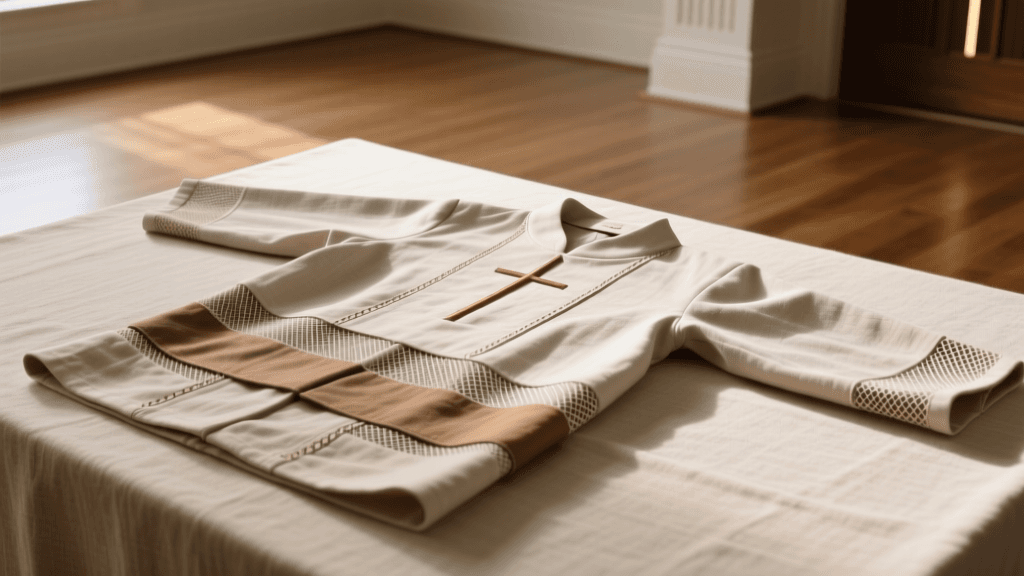
Within the broader tapestry of Americas and Indigenous religious textiles, the temple garments worn by endowed members of The Church of Jesus Christ of Latter-day Saints (often referred to as LDS or Mormon garments) hold a deeply sacred and historically significant place. Originating in Nauvoo, Illinois, in the 1840s, these garments were introduced by founder Joseph Smith as a physical representation of spiritual covenants made during temple ordinances. Unlike traditional cultural regalia that might be worn for public ceremonies or festivals, LDS temple garments are considered sacred, private clothing worn beneath everyday attire. They serve as a constant, personal reminder of the wearer's commitment to their faith, modesty, and spiritual covenants.
As we navigate the purchasing landscape in 2026, the acquisition of these garments remains strictly regulated by the Church. They are not available in commercial retail stores, and their distribution is carefully managed to preserve their sacred nature. For endowed members, understanding where and how to purchase these garments—whether through modern digital storefronts or regional distribution centers—is essential for maintaining their spiritual wardrobe.
Where to Buy LDS Temple Garments in 2026
The Church of Jesus Christ of Latter-day Saints maintains a monopoly on the production and distribution of officially marked temple garments. In 2026, the purchasing ecosystem has been streamlined to prioritize accessibility, privacy, and global reach, though it remains exclusive to those who have received their temple endowment.
The Official Online Store
The primary and most convenient method for purchasing garments in 2026 is through the official Church online store. Over the past few years, the Church has heavily invested in its e-commerce infrastructure, allowing members to order garments directly to their homes. The online catalog is comprehensive, featuring every approved fabric, style, and size variation. The platform is available in multiple languages and utilizes localized distribution hubs to reduce shipping times and costs for members across North America, Latin America, Europe, and the Pacific.
Physical Distribution Centers
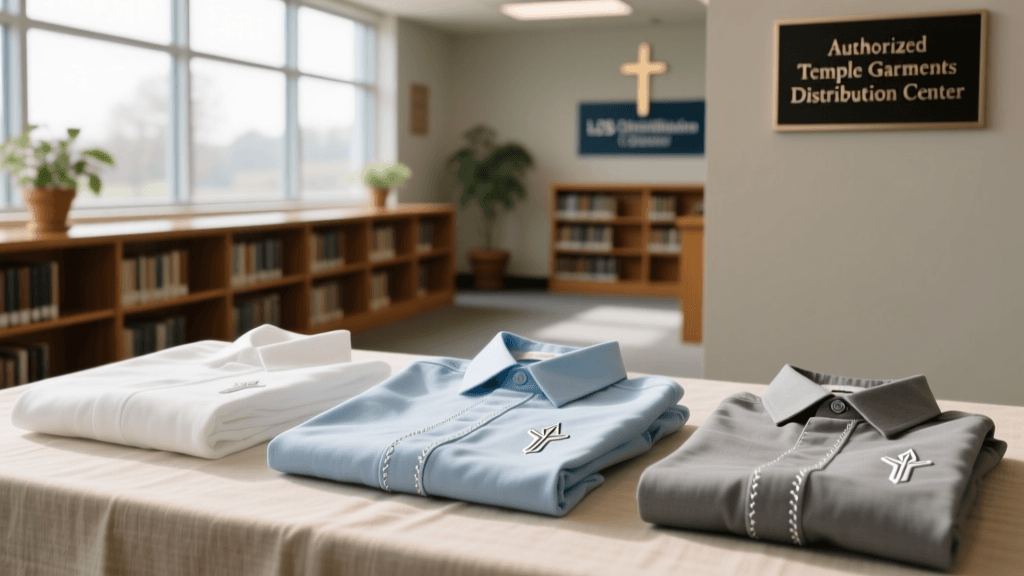
While online ordering is the standard, physical Distribution Centers (DCs) remain operational in 2026, primarily located adjacent to major temples or in regions with high concentrations of Church members. Key locations include Salt Lake City and Provo in Utah, Mesa in Arizona, and Laie in Hawaii. These physical stores allow members to feel the fabrics, try on sizing samples, and purchase garments directly over the counter. However, the Church has increasingly transitioned smaller, regional physical stores into 'order-and-ship' kiosks, where members can use in-store tablets to place orders that are fulfilled by centralized warehouses.
Purchasing Requirements and Account Verification
Because temple garments are sacred items, the Church employs a strict verification process to ensure that only eligible individuals can purchase them. You cannot simply create a guest account and buy garments; your Church Account must be linked to your official membership record.
- Endowment Status: Your membership record must reflect that you have received your temple endowment. The online system automatically checks this status via the Church's central database.
- Church Account Linking: You must have a verified Church Account (the same account used for the Member Tools app or ChurchofJesusChrist.org). When you log into the online store, the system will grant you access to the restricted 'Temple Clothing and Garments' category.
- Purchasing for Others: Endowed members may purchase garments as gifts for other endowed members (such as a spouse or child who has recently been endowed), but the recipient's membership information or account verification may be required at checkout depending on the region's specific 2026 privacy protocols.
2026 Fabric and Style Guide
The Church continually refines its textile offerings to accommodate different climates, body types, and lifestyle needs. In 2026, the fabric selection is more diverse than ever, utilizing advanced textile engineering while maintaining the modesty and durability required for daily wear. According to the General Handbook guidelines on temple ordinances, garments should be worn beneath the outer clothing, making breathability and fit crucial factors.
Fabric Comparison Chart
| Fabric Type | Material Blend | Best Climate / Use | Durability & Care |
|---|---|---|---|
| Cotton | 100% Combed Cotton | Moderate climates, everyday wear, sensitive skin | High durability; may shrink slightly if machine dried |
| Cotton Mesh | Cotton/Polyester Knit Mesh | Hot, humid climates, summer wear | Excellent breathability; resistant to shrinking |
| Modal | MicroModal / Spandex Blend | All-season, active lifestyles, luxury feel | Highly durable, resists pilling, retains shape |
| Stretch Cotton | Cotton / Elastane Blend | Active wear, form-fitting outer clothing | Moderate durability; requires gentle washing to preserve elasticity |
| Performance (Dri-Lux) | Advanced Moisture-Wicking Synthetic | Athletics, extreme heat, high-sweat environments | Very high durability; quick-drying, odor-resistant |
Style Variations
In 2026, the Church offers a wide array of neckline and sleeve variations to accommodate modern fashion trends while strictly maintaining the required coverage (covering the shoulders, midriff, and upper thighs).
For Men: Options are generally streamlined to Crew Neck and V-Neck tops, available in standard t-shirt sleeve lengths. Bottoms are available in standard boxer-brief lengths.
For Women: The women's catalog is highly diversified. Top styles include Crew, V-Neck, Scoop, and the popular Carmen (off-the-shoulder) neckline, which allows members to wear wider-necked outer blouses without the garment showing. Sleeve lengths range from cap sleeves to standard short sleeves. Bottoms include standard briefs, boy-shorts, and longer capri-style bottoms for wear under skirts and dresses.
Sizing, Fit, and Alteration Rules
Proper fit is essential for both comfort and the respectful wearing of the garment. The online store provides detailed, interactive sizing charts for 2026, allowing users to input their exact measurements (chest, waist, hips, and inseam) to receive a recommended size.
The Rules of Alteration: The Church permits minor alterations for fit, but there are strict, non-negotiable boundaries. Members may hem the bottom of the garment top or the legs of the garment bottom to ensure a proper fit. However, the sacred markings on the garment must never be altered, removed, or covered. Furthermore, the fundamental design of the garment (such as the neckline depth or the requirement that it covers the shoulders and upper thighs) cannot be modified. If a specific style does not fit modestly, members are encouraged to try a different cut (e.g., switching from a scoop neck to a crew neck) rather than altering the garment's core structure.
International Ordering and Global Accessibility
Historically, members outside the United States faced significant hurdles, high shipping costs, and long wait times when ordering garments. By 2026, the Church's global supply chain has vastly improved. Regional distribution centers in the Philippines, Brazil, the UK, and Ghana now service their respective continents. This localization means that a member in São Paulo or Manila can order garments online and receive them within a week, with pricing adjusted for local currencies and subsidized shipping rates to ensure that financial barriers do not prevent members from honoring their covenants.
For members in remote or developing areas without reliable postal service, the Church utilizes local 'Distribution Agents'—trusted members or local meetinghouses that serve as secure pickup points for bulk garment orders placed by the community.
Caring for Your Garments
To maximize the lifespan of your garments, proper textile care is required. While the 2026 performance and modal fabrics are highly resilient, 100% cotton garments require more attention. It is recommended to wash garments in cold or warm water with like colors. Avoid using harsh bleach, which can degrade the fibers and fade the sacred markings over time. Tumble drying on low heat is acceptable for most blends, but line drying is recommended for cotton and stretch blends to prevent shrinkage and preserve the elastane fibers.
When garments become worn, frayed, or damaged beyond repair, they should not be thrown in the regular trash or donated to thrift stores. The established protocol is to carefully cut out the sacred markings and destroy them (often by cutting them into small pieces or burning them privately), while the remaining fabric can be disposed of or repurposed as cleaning rags.
Conclusion
Shopping for LDS temple garments in 2026 is a seamless, secure, and highly personalized experience. By leveraging the official online store, understanding the diverse range of modern fabrics, and adhering to the sacred guidelines regarding fit and alteration, endowed members can comfortably integrate these deeply meaningful American religious textiles into their daily lives. Whether you are ordering a moisture-wicking set for a summer in the American Southwest or a soft modal set for daily office wear, the Church's distribution network ensures that these sacred garments remain accessible to the global membership.