Top Online Marketplaces for Authentic Banarasi Sarees 2026
The 2026 Landscape of Banarasi Silk Online Shopping
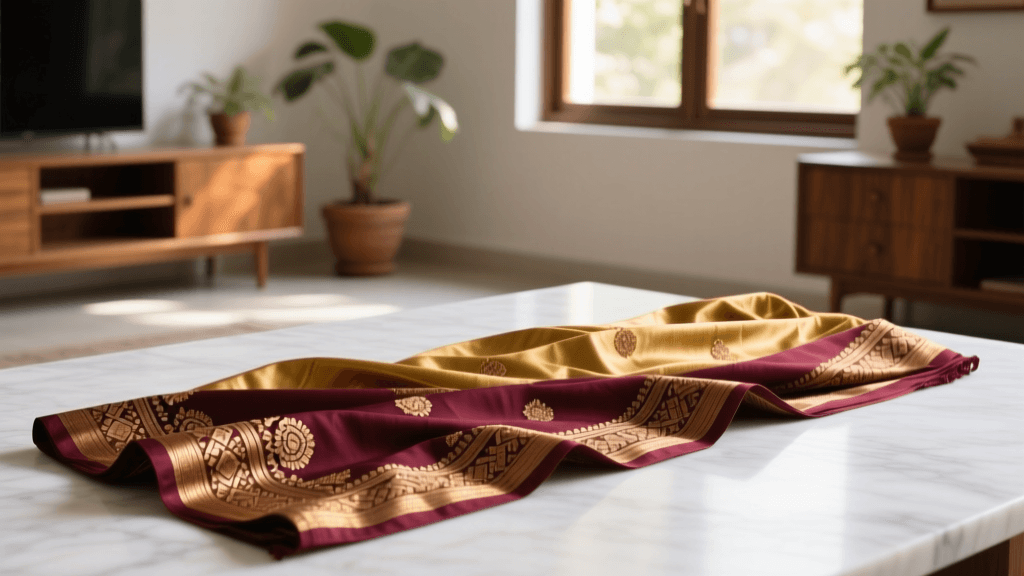
The Banarasi saree is arguably the most iconic and revered garment in South Asian traditional fashion. Originating from the ancient, spiritually charged city of Varanasi (Banaras) in India, these opulent silk sarees are characterized by their intricate gold and silver zari work, Mughal-inspired motifs, and painstaking handloom craftsmanship. For decades, acquiring a genuine Banarasi saree required a physical pilgrimage to the narrow, winding lanes of Varanasi or a visit to a high-end, specialized boutique in a major metropolis. However, the digital retail landscape has evolved dramatically.
In 2026, sourcing authentic Banarasi silk online is more accessible than ever, yet it remains fraught with challenges. The proliferation of mass-market e-commerce platforms has led to an influx of counterfeit garments, powerloom replicas, and synthetic 'art silk' marketed under the Banarasi name. For the serious collector, the modern bride, or the cultural enthusiast, knowing exactly where and how to shop online is essential. This comprehensive guide explores the most trusted online marketplaces for authentic Banarasi sarees in 2026, decoding the weaves, and providing a strict verification checklist to ensure your investment is genuine.
The Shift to Direct-to-Artisan Heritage Platforms
The most significant shift in the 2026 Asian traditional garment market is the rise of direct-to-artisan platforms. Rather than relying on multi-layered middlemen, modern heritage brands are partnering directly with master weavers in Varanasi. This model not only ensures fair compensation for the artisans but also guarantees the provenance of the textile. Furthermore, government-backed initiatives have digitized the authentication process. The India Handloom Brand initiative, launched by the Ministry of Textiles, has become a cornerstone for online shoppers, providing a verified digital ecosystem where buyers can trace a garment's origins directly to the weaver's loom.
Top Trusted Marketplaces for Sourcing Banarasi Sarees
When shopping for high-value traditional garments, the platform you choose dictates the authenticity, quality, and ethical sourcing of your purchase. Here are the premier online marketplaces dominating the authentic Banarasi space in 2026.
1. Tilfi Banaras
Tilfi has established itself as a premier digital destination for authentic, handwoven Banarasi textiles. Operating on a direct-from-weaver model, Tilfi works with hundreds of artisan families in Varanasi. Their online storefront is highly educational, offering deep dives into the specific techniques used for each saree. In 2026, Tilfi's integration of high-resolution macro photography allows buyers to inspect the intricate zari interlacing before purchasing, bridging the gap between physical inspection and digital shopping.
2. Jaypore
Jaypore remains a heavyweight in the curated luxury space for Indian heritage crafts. While they offer a wide array of regional textiles, their Banarasi collection is meticulously vetted. Jaypore is ideal for buyers seeking contemporary color palettes applied to traditional weaves. Their platform provides detailed artisan stories and guarantees the authenticity of the silk and zari, making it a safe haven for international buyers navigating the complexities of cross-border shipping and customs.
3. Nalli
A legacy name in South Indian silk retail, Nalli has successfully translated its century-old brick-and-mortar trust into a robust online marketplace. While historically famous for Kanchipuram silks, Nalli's 2026 Banarasi collection is expansive and rigorously authenticated. Their platform is highly favored by buyers looking for classic, heavy-bridal zari work with ironclad return policies and established global logistics.
4. Etsy (With Strict Filtering)
Etsy remains a viable global marketplace for finding independent curators and small-batch weavers selling Banarasi sarees. However, shopping on Etsy in 2026 requires a highly discerning eye. Buyers must filter out mass-produced dropshippers by searching for specific weaving terminology (e.g., 'Kadwa weave', 'pure zari') and demanding proof of the Silk Mark certification. Always look for shops based in India with extensive, photo-verified customer reviews spanning several years.
Decoding the Weaves: What to Look for in Product Descriptions
Authentic Banarasi sarees are defined by their weaving techniques, not just their visual patterns. A reputable online marketplace will explicitly state the weave and material in the product specifications. Familiarize yourself with these core terms:
- Katan Silk: The foundation of most premium Banarasi sarees. Katan refers to pure silk threads twisted together to create a durable, lustrous base fabric.
- Kadwa Weave: The most labor-intensive and expensive technique. In Kadwa, each motif is handwoven separately, meaning there are no loose threads (floats) on the reverse side of the fabric. A 2026 Kadwa saree can take a master weaver up to six months to complete.
- Jangla: Characterized by wild, sprawling, and densely packed floral and vegetal motifs that cover the entire body of the saree. It is a hallmark of heavy bridal wear.
- Tanchoi: A weaving technique that uses multiple silk threads to create a satin-like base with intricate, self-design patterns woven directly into the fabric, often without heavy zari.
- Meenakari: An enameling-inspired technique where supplementary colored silk threads are added to the zari motifs to create vibrant, multi-colored inlay effects.
The 2026 Authenticity Verification Checklist
Before clicking 'checkout' on any heritage marketplace, ensure the vendor provides verifiable proof of authenticity. The traditional garment market has adapted to modern technology to combat fakes.
Silk Mark India Certification
The Silk Mark Organisation of India is the ultimate authority on silk purity. In 2026, authentic Banarasi sarees sold by reputable online vendors will feature a digitally scannable Silk Mark QR code on the hangtag. This code reveals the exact testing batch and confirms the presence of 100% natural silk, distinguishing it from synthetic blends.
Geographical Indication (GI) Tag Verification
Banarasi brocades and sarees hold a protected Geographical Indication (GI) status. Modern GI tags now include blockchain-backed QR codes that trace the garment from the specific weaving cluster in Varanasi to the retail platform. If a marketplace cannot provide a verifiable GI certificate or tag number for high-value pieces, proceed with extreme caution.
The 'Reverse Side' Inspection
While you cannot physically flip the fabric when shopping online, you can request macro-photographs of the reverse side of the pallu (the decorative end of the saree). In genuine handwoven Kadwa Banarasi sarees, the reverse side is almost as clean as the front. Conversely, powerloom fakes and 'Banarasi prints' will show a messy web of floating threads on the back, or the pattern will simply be stamped onto a plain silk base.
Marketplace Comparison & Pricing Guide
Pricing for authentic handloom Banarasi silk sarees varies wildly based on the purity of the zari (gold/silver thread) and the complexity of the weave. Below is a comparative breakdown of what to expect from top platforms in 2026.
| Platform | Best For | Avg Price Range (USD) | Authenticity Guarantee | Global Shipping |
|---|---|---|---|---|
| Tilfi Banaras | Artisan-direct, educational buying | $250 - $2,500+ | GI Tag, Silk Mark, Weaver Profiles | Yes (Duties calculated at checkout) |
| Jaypore | Contemporary colors, luxury gifting | $300 - $1,800 | Silk Mark, In-house Curation | Yes (Express options available) |
| Nalli | Traditional bridal, heavy zari work | $400 - $3,000+ | Legacy Verification, Silk Mark | Yes (Reliable international logistics) |
| Etsy (Vetted) | Vintage pieces, independent curators | $150 - $1,200 | Varies (Requires buyer diligence) | Depends on individual seller |
Red Flags to Avoid on Mass-Market Sites
When browsing generalized global marketplaces like Amazon or AliExpress, the risk of purchasing counterfeit traditional garments is exceptionally high. Avoid any listing that uses the following terminology:
- 'Art Silk' or 'Banarasi Silk Blend': These are synthetic polyesters designed to mimic the sheen of silk. They lack the breathability, drape, and longevity of pure Katan silk.
- 'Banarasi Print' or 'Digital Print Banarasi': This is a factory-printed motif on a plain powerloom fabric. It holds no cultural or artisanal value and will degrade quickly after dry cleaning.
- Uniformity in Zari: Genuine handwoven zari features microscopic irregularities. If the gold thread looks perfectly uniform, machine-stamped, or overly yellow (indicating cheap metallic plastic), it is a powerloom replica.
- Suspiciously Low Pricing: A genuine handloom Banarasi saree requires weeks or months of labor. If a listing offers a 'pure silk Kadwa Banarasi' for under $100 USD, it is definitively a synthetic powerloom product.
Post-Purchase Care and Archival Storage
Once your authentic Banarasi saree arrives, proper care is vital to preserve the delicate silk and prevent the metallic zari from tarnishing. Never attempt to hand-wash or machine-wash a handloom Banarasi saree. Upon receipt, take it to a specialized dry cleaner experienced in handling heritage Asian textiles. For long-term storage, wrap the saree in unbleached, acid-free muslin cloth. Avoid plastic garment bags, which trap moisture and cause the silk to rot and the zari to oxidize and turn black. Refold the saree every three months along different lines to prevent permanent creasing and fiber breakage along the fold lines.
Conclusion
The digital age has not diminished the magic of the Banarasi saree; rather, it has provided ethical, transparent pathways for global consumers to support the master weavers of Varanasi. By utilizing specialized heritage marketplaces, demanding verifiable Silk Mark and GI certifications, and understanding the nuanced vocabulary of handloom weaves, you can confidently invest in a genuine piece of South Asian history. In 2026, buying a Banarasi saree online is not just a fashion purchase; it is an act of cultural preservation and a direct investment in the survival of an ancient, unparalleled textile art form.