Top Japanese Fashion School Textile Workshops 2026: Bunka & Kyoto
The Evolution of Japanese Textile Education in 2026
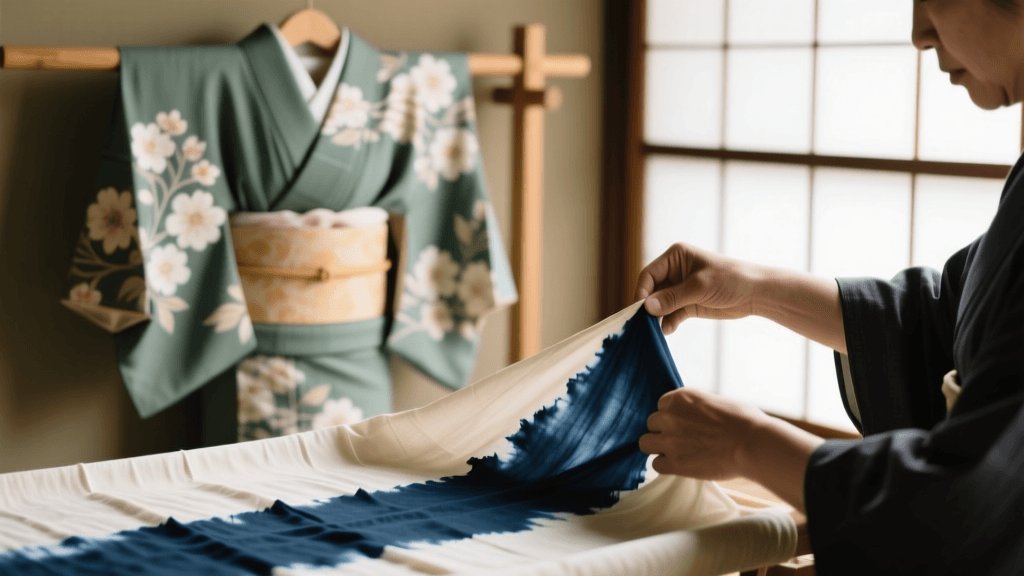
The intersection of heritage craftsmanship and modern digital education has completely transformed how international students learn traditional Japanese garment arts. As of 2026, aspiring designers and textile enthusiasts no longer need to relocate to Japan for years to master complex techniques like shibori (shaped-resist dyeing) or Kyo-yuzen (rice-paste resist dyeing). Leading institutions have pioneered hybrid and online learning models that ship authentic, professionally curated dyeing kits directly to students worldwide, paired with high-definition, multi-angle live workshops.
Whether you are a fashion student looking to integrate sustainable heritage techniques into your 2026 portfolio, or a hobbyist seeking authentic instruction, Japan's premier fashion schools now offer unprecedented global access. According to the Ministry of Economy, Trade and Industry (METI), the integration of digital platforms with traditional craft preservation has seen a 40% increase in international enrollment for textile extension courses since the early 2020s, peaking in the 2026 academic year.
Bunka Fashion College: 2026 Shibori and Sashiko Extension Courses
Located in the heart of Shinjuku, Tokyo, Bunka Fashion College remains Asia's most prestigious fashion institution. While famous for its avant-garde contemporary design alumni, Bunka's Extension Education Division has heavily invested in traditional textile preservation. For the 2026 spring and autumn intakes, Bunka offers a highly sought-after 12-week hybrid course titled 'Contemporary Applications of Arimatsu Shibori and Sashiko'.
Course Breakdown and Curriculum
The Bunka hybrid program is designed for intermediate designers who already understand basic garment construction. The curriculum focuses on translating historical Edo-period techniques into modern, wearable textiles. Students learn kanoko shibori (fawn-spot binding), miura shibori (looped binding), and structural sashiko stitching for fabric reinforcement and aesthetic quilting.
- Format: Weekly 3-hour live Zoom sessions with multi-camera overhead and macro-lens views of the instructor's hands, plus bi-annual 5-day intensive in-person residencies in Tokyo and Nagoya.
- 2026 Tuition: ¥285,000 (approximately $1,900 USD), which includes the international shipping of three specialized tool kits containing Arimatsu-sourced cotton, indigo vats, and custom-forged sashiko needles.
- Language: Taught in Japanese with simultaneous AI-driven live captioning in English, French, and Mandarin, supplemented by bilingual teaching assistants.
The standout feature of Bunka's 2026 program is the integration of 3D drape simulation software. Students scan their dyed and stitched physical textiles into Bunka's proprietary digital loom software, allowing them to visualize how their traditional patterns will drape on modern silhouettes before cutting into expensive silk or hemp yardage.
Kyoto Kimono Academy: Virtual Yuzen Dyeing Masterclasses
While Bunka focuses on structural and resist techniques, the Kyoto Kimono Academy specializes in the vibrant, pictorial art of Kyo-yuzen. Yuzen dyeing is the meticulous process of applying rice paste (itome nori) to outline designs, followed by hand-painting with natural pigments. Historically reserved for master artisans in Kyoto, the Academy's 2026 Virtual Masterclass series breaks down this guarded art form for global learners.
The 2026 Global Indigo and Paste Kit
One of the biggest hurdles to learning yuzen online has been the perishable nature of natural rice paste and the temperature sensitivity of living indigo vats. In 2026, the Kyoto Kimono Academy partnered with Yamato Transport's global cold-chain logistics to solve this. Enrolled students receive a temperature-controlled parcel containing:
- Pre-fermented, vacuum-sealed natural indigo (sukumo) from Tokushima Prefecture.
- Stabilized rice paste resist that activates with a specialized, non-toxic alkaline solution included in the kit.
- Stretched silk crepe (chirimen) frames and traditional squirrel-hair brushes for pigment application.
'The ability to teach the precise viscosity of itome nori over a live stream was impossible a few years ago. With our 2026 macro-lens setups and standardized global kits, students in New York or London can achieve the exact same resist lines as students sitting in our Kyoto studio,' notes Master Dyer Kenjiro Sato, lead instructor for the Academy.
Comparison Table: Bunka vs. Kyoto Academy (2026 Intake)
| Feature | Bunka Fashion College (Tokyo) | Kyoto Kimono Academy (Kyoto) |
|---|---|---|
| Primary Focus | Shibori, Sashiko, Structural Textiles | Kyo-Yuzen, Hand-Painting, Silk Dyeing |
| Course Duration | 12 Weeks (Hybrid with 2 residencies) | 8 Weeks (100% Virtual Masterclass) |
| 2026 Tuition | ¥285,000 ($1,900 USD) | ¥165,000 ($1,100 USD) |
| Materials Kit | Cotton, Indigo, Sashiko Threads, Needles | Silk Crepe, Rice Paste, Natural Pigments |
| Best For | Fashion Designers, Patternmakers | Illustrators, Surface Designers, Artists |
| Digital Integration | 3D Drape Simulation & Digital Loom | Digital Color-Matching & Archival Scanning |
Essential Setup for Online Dyeing Workshops
Success in a 2026 virtual textile workshop requires more than just a laptop. Because instructors must evaluate the tension of your shibori bindings and the consistency of your yuzen paste, your home studio setup is critical. The Japan National Tourism Organization (JNTO) frequently highlights the importance of proper lighting and workspace ergonomics when engaging with traditional crafts remotely.
Recommended Studio Gear
- Overhead Camera Rig: A C-stand or heavy-duty desk boom arm with a 4K webcam (such as the Logitech Brio 4K) positioned directly above your work surface. This allows instructors to see the exact angle of your needle or brush.
- Color-Accurate Lighting: Dyeing relies heavily on color perception. Invest in full-spectrum LED daylight lamps (5000K-5500K) with a CRI (Color Rendering Index) of 95 or higher to ensure your natural indigo and botanical pigments look the same on camera as they do in person.
- Wet-Station Mat: A silicone, heat-resistant, and waterproof crafting mat with built-in drainage grooves. Yuzen and shibori are incredibly wet processes; protecting your desk and electronics from indigo splashes and alkaline solutions is mandatory.
- Ventilation: While modern kits use safer, low-odor mordants, natural indigo fermentation can produce strong ammonia-like scents. A small, localized HEPA and carbon-filter exhaust fan is highly recommended for indoor apartment dyers.
Sustainability and the 2026 Natural Dye Renaissance
A major theme across Japanese fashion schools in 2026 is the push for ecological sustainability. Both Bunka and the Kyoto Academy have completely phased out synthetic chemical mordants in their beginner and intermediate kits. Instead, students are taught to use shibu (persimmon tannin), soy milk protein binders, and alum derived from recycled industrial byproducts. This aligns with the global fashion industry's urgent pivot toward regenerative agriculture and closed-loop water systems. By learning these ancestral, low-impact dyeing methods, modern designers are finding solutions to the microplastic and chemical runoff crises caused by contemporary fast fashion.
How to Apply and Prepare for Your Intake
Applications for the Autumn 2026 cohorts at both institutions open in May. Because the physical kits require complex international cold-chain shipping and customs clearance for agricultural products (like fermented indigo and rice paste), schools require a minimum of 90 days of lead time before the first live session.
Prospective students should prepare a digital portfolio showcasing their current understanding of color theory, basic sewing, or surface design. While fluency in Japanese is not required thanks to advanced real-time translation tools provided by the schools, a willingness to learn foundational craft terminology—such as shibori (to wring or press), noribuse (paste covering), and ji-ire (fabric preparation)—will vastly improve your learning experience. Engaging with these prestigious 2026 hybrid programs not only preserves vital Asian cultural heritage but equips the next generation of designers with the sustainable, artisanal skills required to lead the future of ethical fashion.