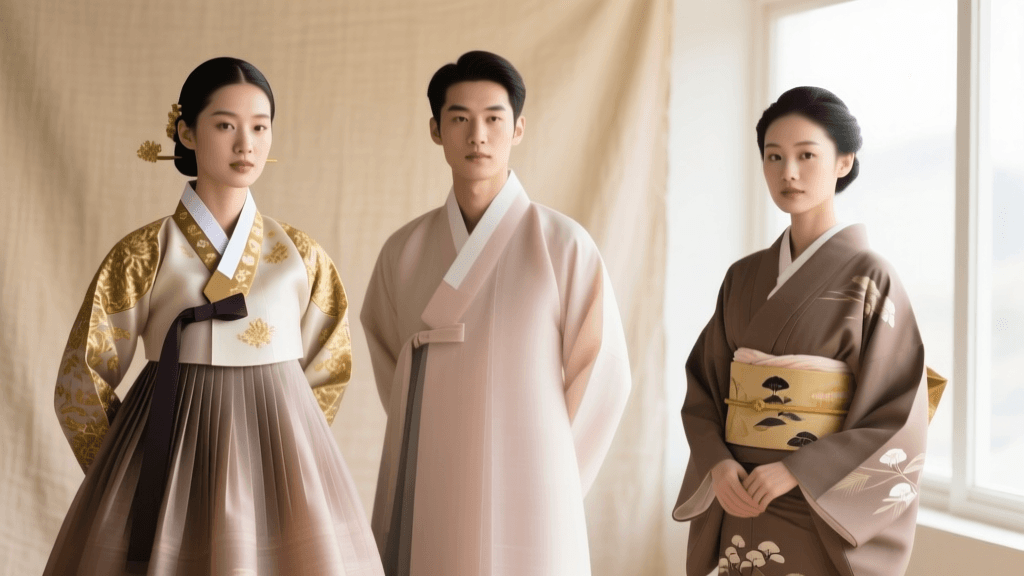
Best Hanfu for Qigong & Meditation: 2026 Wellness Guide
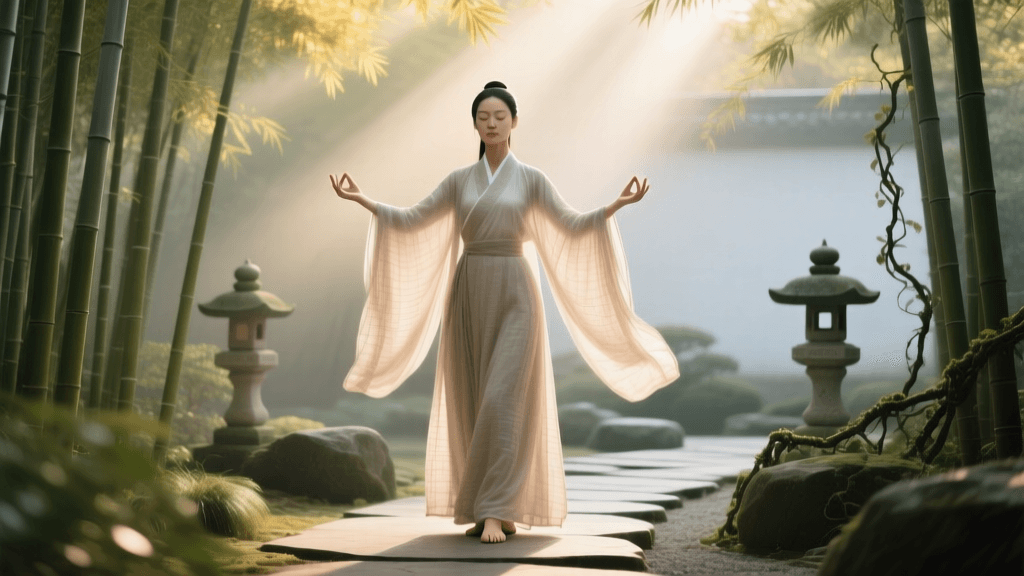
The Intersection of Hanfu and Mindful Movement in 2026
As the global wellness industry evolves in 2026, practitioners are increasingly seeking deeper, more authentic connections to the roots of their mindfulness routines. The integration of traditional Chinese clothing, specifically Hanfu, into practices like Qigong and meditation has transitioned from a niche cultural appreciation to a mainstream wellness methodology. This synthesis of ancestral garment design and mindful movement is not merely aesthetic; it is deeply rooted in the biomechanics of breath, the flow of Qi (vital energy), and the psychological grounding that traditional attire provides. In 2026, wellness retreats from Kyoto to Sedona are featuring 'Sartorial Mindfulness' workshops, teaching participants how the drape, weight, and fabric of Hanfu can physically and mentally enhance their meditative states.
Unlike modern synthetic activewear, which compresses the body and traps heat, traditional Hanfu is engineered around the principles of natural alignment and energetic flow. The loose, unstructured silhouettes allow for unrestricted diaphragmatic breathing, a cornerstone of both Qigong and seated meditation. By understanding the specific cuts, fabrics, and historical contexts of these garments, modern practitioners can optimize their wellness routines, creating a seamless bridge between ancient wisdom and contemporary health science.
Enclothed Cognition: The Psychology of Traditional Dress
The psychological phenomenon known as 'enclothed cognition' describes the systematic influence that clothes have on the wearer's psychological processes. When you don a garment that holds deep cultural and spiritual significance, your brain shifts its cognitive state to align with the perceived attributes of that clothing. In 2026, wellness psychologists frequently cite enclothed cognition as a primary reason why practitioners experience deeper meditative states when wearing traditional garments.
Putting on a Hanfu ensemble requires a deliberate, multi-step process of tying sashes, adjusting collars, and smoothing fabrics. This ritualistic dressing acts as a somatic trigger, signaling to the nervous system that it is time to transition from the chaotic external world into a space of internal cultivation. The physical weight of a linen skirt or the gentle sway of a silk sleeve serves as a continuous tactile anchor, pulling a wandering mind back to the present moment. This sensory feedback loop is invaluable for practitioners struggling with the digital fatigue and shortened attention spans characteristic of the mid-2020s.
Fabric Science: Qi Flow and Breathability
Traditional Chinese Medicine (TCM) posits that Qi flows through meridians just beneath the skin. Restrictive clothing, tight elastic bands, and non-breathable synthetic fibers are believed to create stagnation in this energetic network. According to the National Center for Complementary and Integrative Health, practices like Qigong rely heavily on the integration of posture, breathing, and focused intention to promote the smooth flow of vital energy. The fabrics used in authentic Hanfu directly support this physiological and energetic goal.
Ramie (Xia Bu) and Linen (Ma)
For active Qigong routines practiced in warmer climates or heated indoor studios, ramie and linen are the undisputed champions. Ramie, often referred to as 'Chinese linen,' possesses a natural stiffness that keeps the fabric slightly away from the skin, creating a micro-climate of circulating air. This prevents the dampness that can occur during vigorous routines like the 'Eight Brocades' (Ba Duan Jin). Linen, with its high moisture-wicking properties, ensures that the body's thermoregulation remains uninterrupted, allowing the practitioner to maintain focus on their breath rather than their comfort.
Silk (Chou)
Silk is revered not only for its luxurious drape but for its unique thermal properties and amino acid composition, which is gentle on the skin. For deep, stationary meditation or slow-moving Tai Chi, a mid-weight silk Hanfu provides a gentle, comforting pressure that stimulates the parasympathetic nervous system. The smooth friction of silk layers gliding against one another also produces a soft, rhythmic acoustic feedback that complements the slow, deliberate movements of internal martial arts.
Top Hanfu Styles for Wellness Practices
Selecting the right silhouette is crucial for matching the garment to the specific physical demands of your practice. Here are the top three Hanfu styles recommended by wellness instructors in 2026.
1. The Daopao (Daoist Robe) for Deep Meditation
The Daopao is a wide-sleeved, full-length robe that wraps securely at the waist. Historically worn by Daoist monks and scholars, its voluminous cut allows for complete freedom of the legs when sitting in full or half-lotus positions. The crossed collar (Jiaoling Youren) naturally encourages an upright spinal posture, as slouching causes the collar to gap and feel unbalanced. The wide sleeves, or 'Guangxiu,' rest heavily on the lap during seated meditation, providing a grounding weight that stabilizes the hands in traditional mudras.
2. The Yichang (Skirt and Top) for Grounding and Flow
The Yichang consists of a separate top and a high-waisted, pleated skirt (often a Mamianqun or a simple A-line cut). This style is exceptionally popular for standing Qigong and gentle stretching. The high waistband sits above the navel (the Dan Tian, or energetic center), providing a gentle, supportive hug to the core without restricting the diaphragm. As the practitioner shifts their weight from leg to leg, the heavy pleats of the skirt swing in a pendulum motion, offering visual and kinetic feedback on the body's center of gravity and balance.
3. The Duanhe (Short Jacket) for Active Qigong
For more vigorous practices, or for practitioners who prefer a minimalist approach, the Duanhe paired with loose-fitting trousers (Ku) is ideal. The short jacket ends at the hips, ensuring that fabric does not bunch up or restrict movement during deep squats or wide stances (Ma Bu). The trousers are traditionally cut with a wide drop-crotch, allowing for maximum mobility in the hips and knees, which is essential for the low stances found in advanced Qigong and Tai Chi forms.
Fabric Comparison for Mindful Movement
Choosing the correct material depends on your specific practice, environment, and sensory preferences. The table below outlines the primary natural fabrics used in 2026 Hanfu wellness collections.
| Fabric | Breathability | Weight & Drape | Best Practice | Care Level |
|---|---|---|---|---|
| Ramie (Xia Bu) | Exceptional | Crisp, structured, lightweight | Active Qigong, Summer Meditation | Moderate (Softens with wash) |
| Linen (Ma) | High | Textured, medium weight | Standing Qigong, Nature Walks | Low (Machine washable) |
| Silk (Chou) | Moderate | Fluid, heavy, luxurious | Seated Meditation, Slow Tai Chi | High (Hand wash/Dry clean) |
| Cotton (Mian) | High | Soft, medium weight | Everyday Mindfulness, Gentle Yoga | Low (Durable) |
Movement Mechanics: Hanfu and the Ba Duan Jin
The 'Eight Brocades' (Ba Duan Jin) is one of the most widely practiced Qigong sets globally. The mechanics of these movements are beautifully complemented by the structural design of Hanfu. Take, for instance, the movement 'Two Hands Hold up the Heavens.' As the practitioner interlocks their fingers and presses their palms upward, the wide sleeves of a Daopao or the relaxed shoulder seams of a Duanhe slide down the arm, exposing the wrists and allowing the practitioner to visually confirm the straightness of their arm alignment without the resistance of tight spandex.
Similarly, in the movement 'Sway the Head and Shake the Tail,' which requires a deep horse stance and lateral spinal flexion, the drop-crotch trousers and flowing skirts of traditional Hanfu move synchronously with the body. There is no fabric tension pulling at the knees or hips. According to experts at the Mayo Clinic, the stress-reducing benefits of Tai Chi and Qigong are maximized when the practitioner can achieve a state of physical relaxation and mental focus; removing the physical distractions of restrictive clothing is a simple yet profound way to facilitate this state.
Footwear and Accessories for Energetic Grounding
A complete wellness wardrobe extends beyond the primary garments. In 2026, the trend of 'earthing' or 'grounding' has heavily influenced the accessories paired with Hanfu for Qigong. Traditional cloth shoes (Bu Xie), featuring soft cotton uppers and flexible, multi-layered cotton or natural rubber soles, are the preferred footwear. Unlike thick, cushioned running shoes that sever the foot's proprioceptive connection to the ground, cloth shoes allow the practitioner to feel the subtle shifts in weight distribution across the soles of the feet.
For outdoor meditation, practitioners are increasingly opting for barefoot practice on natural grass or sand, utilizing the Hanfu skirt to protect the legs from insects and morning dew while maintaining direct contact with the earth. Accessories are kept to a minimum to avoid distracting jingling or physical discomfort, though simple wooden or jade hairpins are frequently used to secure the hair in a topknot, keeping the neck meridian clear and exposed to the air.
Sourcing Authentic, Eco-Friendly Hanfu
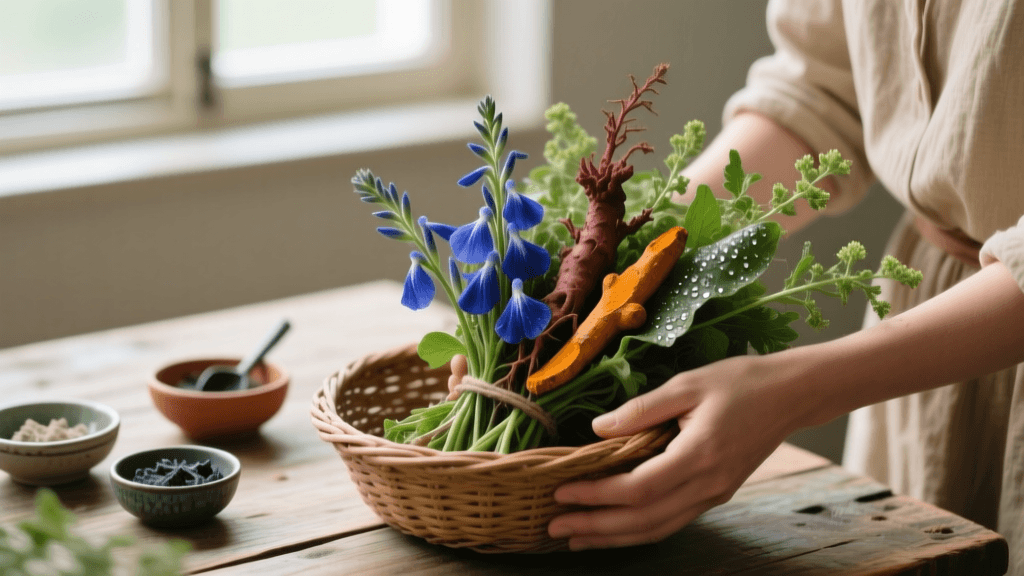
The wellness community in 2026 is deeply intertwined with environmental consciousness. Sourcing Hanfu that aligns with both personal health and planetary health is a priority. The resurgence of natural, plant-based dyeing techniques—such as using indigo, madder root, and tea leaves—means that the garments resting against the skin during deep breathing exercises are free from the harsh chemicals and heavy metals often found in modern synthetic dyes.
Silk, a cornerstone of luxury Hanfu, is also seeing a return to ethical, traditional harvesting methods. The cultural and historical significance of these textiles is immense; as noted by UNESCO's Intangible Cultural Heritage registry, the sericulture and silk craftsmanship of China represent centuries of harmonious interaction between human artisans and the natural environment. When purchasing Hanfu for wellness practices, seeking out artisans who utilize traditional wooden looms and natural eco-dyes ensures that your practice supports sustainable heritage craftsmanship.
Practical Care for Your Wellness Wardrobe
To maintain the energetic and physical integrity of your Hanfu, proper care is essential. Natural fibers absorb the sweat and oils produced during physical exertion, and they require specific maintenance to remain breathable and soft.
- Washing: Hand-wash silk and ramie in cool water using a pH-neutral, plant-based detergent. Avoid wringing the fabric; instead, press the water out gently and lay flat to dry in the shade.
- Storage: Store your wellness Hanfu in a breathable cotton garment bag. Avoid plastic covers, which can trap moisture and lead to mildew, especially in natural fibers.
- Energetic Cleansing: Many practitioners in 2026 incorporate 'sun-bathing' their garments. Hanging linen and cotton Hanfu in direct morning sunlight for an hour not only naturally disinfects the fabric but is believed to recharge the garment with fresh Yang energy.
- Ironing: Use a steam iron on a low setting. The slight wrinkles in natural linen and ramie are considered part of the fabric's organic charm and do not need to be pressed to a rigid perfection.
Conclusion
The integration of Hanfu into Qigong and meditation is a profound reclamation of holistic wellness. By honoring the biomechanical wisdom of traditional Chinese tailoring and the energetic properties of natural fibers, practitioners in 2026 are finding new depths in their mindfulness routines. Whether you are flowing through the Eight Brocades in a crisp linen Duanhe or settling into a deep lotus meditation wrapped in the grounding weight of a silk Daopao, the garment becomes more than just clothing. It becomes a vessel for intention, a partner in movement, and a tangible link to centuries of ancestral wellness wisdom.