Top Hanfu Styles for Tai Chi and Qigong Practice 2026
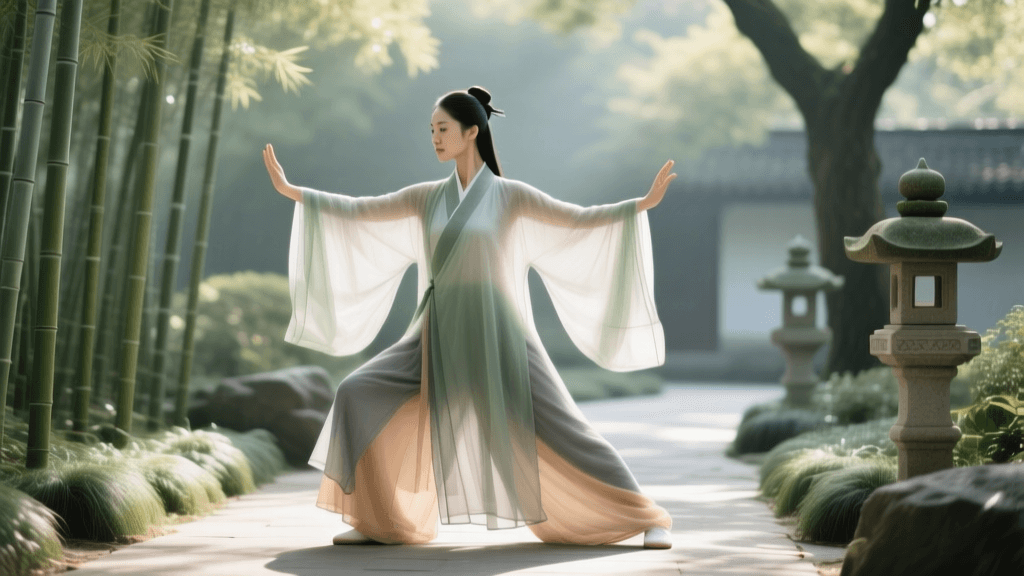
The Intersection of Traditional Garments and Moving Meditation
As the global wellness community increasingly embraces traditional Chinese movement arts, the intersection of physical practice and cultural attire has never been more relevant. In 2026, the Xin Zhongshi (new Chinese style) movement has revolutionized how practitioners approach their wardrobes, merging ancient aesthetics with modern textile engineering. For those dedicated to Tai Chi and Qigong, the garment is not merely clothing; it is an extension of the body's energy system. Tight, restrictive activewear can impede the deep diaphragmatic breathing and expansive joint rotations required for these arts. According to Harvard Medical School, Tai Chi is often described as 'medication in motion,' offering profound benefits for balance, flexibility, and cardiovascular health. To fully realize these benefits, practitioners are returning to the roots of traditional Chinese dress, adapting historical Hanfu silhouettes for the modern dojo, park, and studio.
The Philosophy of Drape and Qi Flow
In traditional Chinese medicine and martial arts, the concept of Qi (vital energy) flowing through the body's meridians is paramount. Garments that bind at the joints, waist, or neck are believed to stagnate this flow. Historically, traditional Chinese garments were designed with a flat-cutting method, meaning the fabric was cut in straight lines and folded, rather than tailored with complex darts and curved seams to hug the body. This results in a natural, generous drape that moves with the practitioner. When performing foundational stances like Ma Bu (Horse Stance) or Gong Bu (Bow Stance), the gussets and wide cuts of traditional Hanfu allow for a complete range of motion without pulling at the seams. The World Health Organization's ongoing recognition of traditional medicine and wellness practices underscores the importance of holistic approaches to health, where the environment, the mind, and the physical attire all contribute to the healing process.
Top 3 Hanfu Silhouettes for Movement in 2026
While historical Hanfu encompasses hundreds of styles, only a few are truly optimized for the dynamic, sweeping movements of Tai Chi and the grounded stillness of Qigong. Here are the top three silhouettes dominating the 2026 wellness market.
1. Duan Da (Short Attire / Martial Arts Wear)
Duan Da translates literally to 'short clothes' and has been the standard uniform for martial artists and laborers for centuries. In 2026, the modern Xin Zhongshi interpretation of Duan Da features a mandarin collar, a front-buttoned or frog-tied jacket, and tapered trousers. The jacket typically falls to the hip, ensuring it does not bunch up around the thighs during deep squats. The tapered trousers are bound at the ankle, preventing excess fabric from catching on the feet during sweeping kicks or low transitions. This is the most practical choice for rigorous Tai Chi forms like Chen style, which features explosive bursts of energy (Fajin).
2. Modified Daopao (Taoist Robe)
For practitioners of slower, more meditative styles like Yang style Tai Chi or standing Qigong (Zhan Zhuang), the Daopao offers an unparalleled sense of groundedness. Traditionally a cross-collared, wide-sleeved robe, the 2026 wellness modifications include hidden elastic waistbands and slightly narrowed sleeves to prevent the fabric from dragging on the floor during forward bends. The cross-collar (Jiaoling Youren) naturally opens the chest and encourages proper spinal alignment, a critical component of Qigong posture.
3. Song Dynasty Beizi (Open-Front Jacket)
The Beizi is a long, open-front jacket with side slits that run up to the waist or higher. It is the ultimate layering piece for outdoor morning practice. Worn over a simple silk or bamboo camisole and loose trousers, the Beizi provides a beautiful, flowing silhouette that catches the wind during arm circles, providing visual feedback to the practitioner about the smoothness and continuity of their movements.
2026 Fabric Innovations: The Xin Zhongshi Advantage
The true revolution in 2026 lies in textile technology. While historical garments relied heavily on pure silk, hemp, and cotton, modern practitioners require moisture-wicking, temperature-regulating, and stretch-capable fabrics. The Xin Zhongshi movement has introduced several innovative blends that honor traditional aesthetics while meeting the demands of an active lifestyle. The rich history of Chinese textiles, such as the UNESCO-recognized sericulture and silk craftsmanship, continues to inspire these modern material scientists.
| Fabric Blend (2026 Market) | Breathability | Stretch & Recovery | Best Practice Style | Avg. Price (USD) |
|---|---|---|---|---|
| Cupro-Ramie (Xia Bu) | Excellent | Low (Structured) | Summer Qigong / Zhan Zhuang | $65 - $90 |
| Stretch Mulberry Silk (5% Elastane) | High | High (4-way stretch) | Chen Style Tai Chi / Fajin | $120 - $180 |
| Bamboo-Linen Weave | Very High | Medium (Bias drape) | Yang Style / Morning Outdoor | $55 - $85 |
| Smart-Weave Cotton-Cupro | High | Medium (Moisture-wicking) | All-season Studio Practice | $70 - $110 |
Sizing, Fit, and Biomechanics
Buying off-the-rack Hanfu for wellness practice requires a different approach than buying standard Western activewear. The fit must accommodate the unique biomechanics of Chinese martial arts. When shopping for a practice jacket in 2026, pay close attention to the following measurements:
- Shoulder Drop: Unlike Western suits where the shoulder seam sits exactly on the acromion bone, a Tai Chi jacket should have a dropped shoulder seam (usually 3 to 5 cm past the natural shoulder). This allows the arms to raise above the head without the entire jacket lifting and exposing the lower back.
- Sleeve Width and Cuff: For wide-sleeved styles, the cuff should not exceed 25 cm in circumference to avoid catching on the hands during complex wrist locks or silk-reeling exercises. If you prefer traditional long sleeves that cover the hands, ensure the fabric is lightweight enough to drape back over the wrist when the arm is extended.
- The Crotch Gusset: For Duan Da trousers, a diamond-shaped gusset is non-negotiable. It provides the necessary room for a deep Ma Bu (Horse Stance) without putting stress on the inner thigh seams. Look for a minimum 15 cm gusset drop.
Color Theory and Traditional Chinese Medicine (TCM)
In 2026, many wellness studios are incorporating TCM color theory into their dress codes to align with the seasons and internal organs. According to the Five Elements theory (Wu Xing), different colors resonate with different organ systems:
Wood (Spring / Liver): Green tones promote the smooth flow of Qi and emotional balance.
Fire (Summer / Heart): Red and coral tones stimulate circulation and joy.
Earth (Late Summer / Spleen): Yellow and ochre tones ground the practitioner and aid digestion.
Metal (Autumn / Lungs): White and metallic tones encourage deep breathing and letting go.
Water (Winter / Kidneys): Black and deep blue tones foster stillness, conservation, and deep internal power.
Practitioners are increasingly curating their Hanfu wardrobes to match the season and their specific health goals, wearing white Beizi in the crisp autumn air to focus on lung capacity, and deep indigo Duan Da in the winter to preserve core warmth and kidney energy.
Footwear: Grounding the Practice
The connection between the foot and the earth is vital in Tai Chi; practitioners often speak of 'rooting.' Traditional Kung fu shoes (Bingxie), made with layered cotton soles, remain popular for indoor studio practice due to their flexibility and minimal heel drop. However, for outdoor practice in 2026, the market has seen a surge in 'Xin Zhongshi Minimalist Shoes.' These shoes feature a 3mm zero-drop rubber sole for durability on concrete and asphalt, but the upper is crafted from traditional embroidered cotton or breathable hemp, often featuring subtle cloud or water motifs on the toe box. They provide the sensory feedback of barefoot training while protecting the soles from modern urban environments.
Garment Care for Longevity
To maintain the structural integrity and energetic purity of your practice garments, proper care is essential. Avoid harsh chemical detergents, which can strip the natural oils from silk and bamboo fibers. Instead, use a pH-neutral, plant-based soap. Hand wash your garments in cool water, gently pressing out the moisture without wringing, which can warp the flat-cut seams. Always dry your Hanfu flat in the shade; direct sunlight can degrade the natural dyes used in high-end 2026 Xin Zhongshi collections. Store your garments folded on a shelf rather than hung on wire hangers, as hanging can stretch the shoulder seams over time, altering the precise drape required for your practice.
Conclusion
The year 2026 marks a beautiful synthesis of ancient wisdom and modern innovation in the realm of traditional Chinese wellness. By selecting the right Hanfu silhouettes and embracing the advanced natural fabrics of the Xin Zhongshi movement, practitioners can deepen their Tai Chi and Qigong practice. The right garment does not just cover the body; it facilitates the breath, honors the biomechanics of the forms, and connects the wearer to a lineage of moving meditation that spans centuries.