Top Hanfu Styles for Tai Chi and Qigong Wellness in 2026
The Intersection of Hanfu and Traditional Chinese Wellness
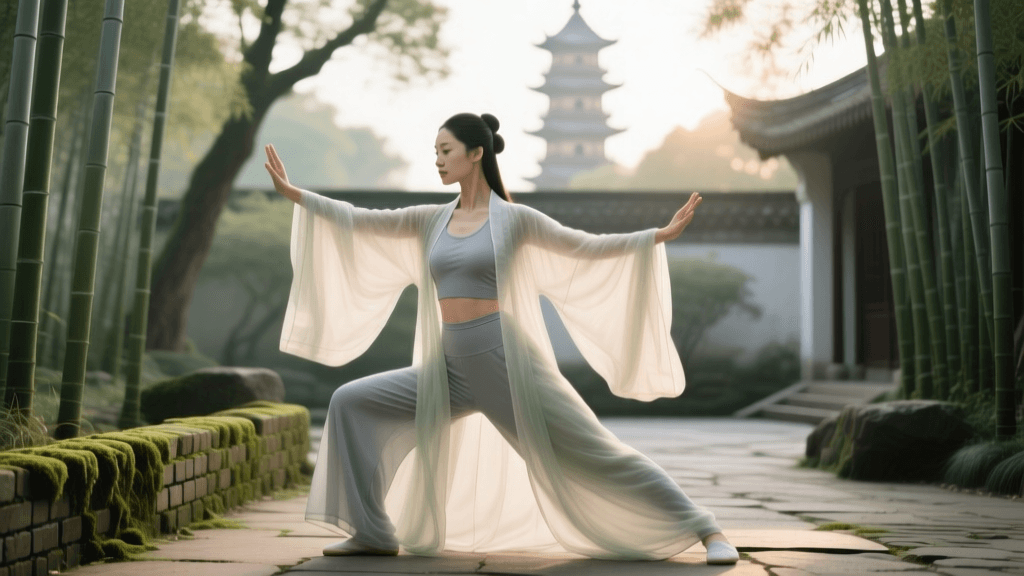
In 2026, the global wellness community has increasingly embraced the profound synergy between traditional movement arts and the garments worn during practice. Tai Chi and Qigong, ancient Chinese disciplines focused on cultivating vital energy (Qi), are no longer just physical exercises; they are holistic lifestyle practices. As practitioners deepen their understanding of these arts, many are turning to authentic Hanfu (traditional Han Chinese clothing) to enhance their mind-body connection. The flowing silhouettes, natural fibers, and philosophical roots of Hanfu align perfectly with the principles of traditional Chinese medicine (TCM) and martial arts.
According to the National Center for Complementary and Integrative Health, Tai Chi and Qigong offer significant benefits for balance, stress reduction, and overall physical health. However, to fully experience the unhindered flow of Qi, the physical body must not be constricted. This is where the structural genius of traditional Chinese garments comes into play. Modern synthetic activewear, while functional for high-impact gym sessions, often compresses the body and traps heat, which contradicts the TCM principle of allowing the skin to breathe and the meridians to remain open. By selecting the right Hanfu styles, practitioners can honor tradition while optimizing their 2026 wellness routines.
Why Fabric Choice Matters for Qigong and Tai Chi
The foundation of any wellness garment is its textile. In traditional Chinese philosophy, clothing is viewed as an extension of the body's energetic field. Natural fibers such as silk, linen, and ramie possess unique thermoregulatory properties that synthetic blends simply cannot replicate. During a rigorous Qigong session, the body's internal temperature rises, and the pores open to release toxins and excess heat. If a practitioner wears polyester or tight nylon, this natural cooling process is disrupted, leading to stagnant energy and discomfort.
As noted by Harvard Health Publishing, the slow, deliberate movements of Tai Chi require a deep mind-muscle connection and uninterrupted focus. Scratchy fabrics or restrictive waistbands can break this meditative state. In 2026, the market has seen a renaissance in heritage weaving techniques combined with modern eco-friendly processing, yielding fabrics that are incredibly soft, highly breathable, and possess a natural drape that moves like water around the body during forms like 'Cloud Hands' or 'Parting the Wild Horse's Mane'.
Top Hanfu Silhouettes for Unrestricted Movement
Not all Hanfu styles are created equal when it comes to martial arts and wellness practices. While grand, multi-layered court garments are stunning for ceremonies, they are impractical for the deep stances (Ma Bu) and sweeping kicks required in Tai Chi. Here are the most effective silhouettes for practitioners in 2026.
The Modified Ruqun for Morning Qigong
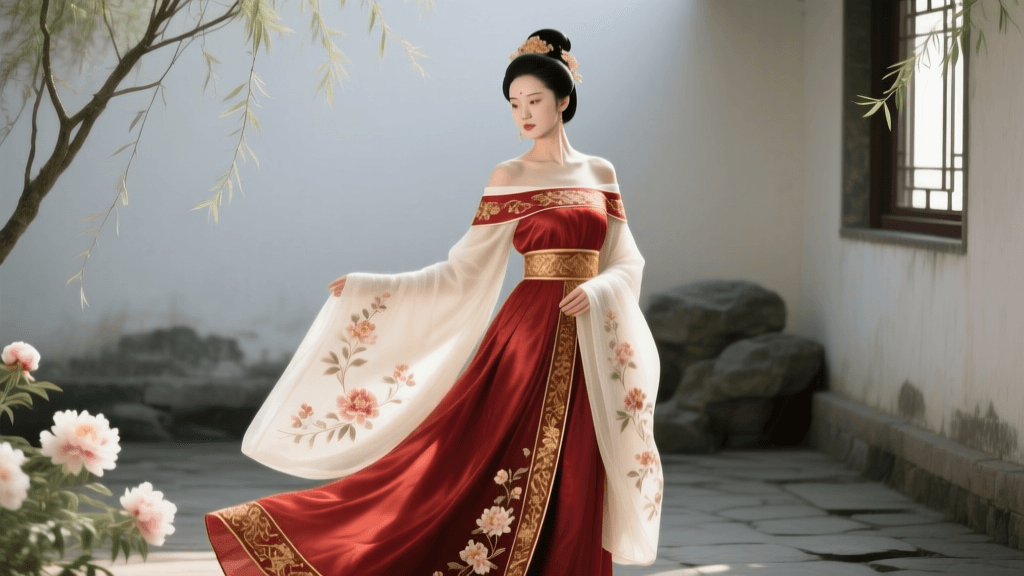
The Ruqun, consisting of a top (Ru) and a high-waisted skirt (Qun), is a staple of Hanfu. For Qigong, the high-waisted chest-length skirt is particularly beneficial because it keeps the lower abdomen (the Dantian, or energy center) warm and protected from wind. In 2026, wellness-focused Ruqun designs feature hidden side-slits and lightweight, pleated skirts that do not tangle around the ankles during wide stances. The tops are typically cross-collared (Jiaoling Youren), which gently supports the posture without digging into the neck or shoulders.
The Yeyi for Dynamic Tai Chi Sword Forms
For practitioners who incorporate weapons or engage in more dynamic, martial-focused Tai Chi, the Yeyi (traditional martial arts attire) is the gold standard. The Yeyi features a cross-collared top with narrow, fitted sleeves and trousers gathered at the ankle. This silhouette prevents excess fabric from catching on a Tai Chi sword or fan. Modern 2026 iterations of the Yeyi incorporate subtle ergonomic gussets under the arms and at the crotch, allowing for extreme overhead reaches and deep lunges without pulling the garment out of place.
The Daopao for Winter and Outdoor Practice
When practicing outdoors in cooler months, maintaining core warmth is essential to prevent the invasion of 'cold dampness' into the joints. The Daopao is a long, cross-collared robe with side slits that extend up to the waist. These slits are crucial for Tai Chi, as they allow the legs to move freely through deep stances while the long back panel protects the kidneys and lower spine from cold winds. Layering a lightweight silk Daopao over a cotton Yeyi provides excellent thermal regulation for autumn and winter morning practices.
The Xin Zhongshi Movement: 2026 Activewear Innovations
The Xin Zhongshi (New Chinese Style) movement has revolutionized how traditional garments are worn in daily life, and its impact on wellness apparel in 2026 is profound. Designers are now blending ancient aesthetics with cutting-edge textile engineering. We are seeing the introduction of bamboo-charcoal silk blends that naturally wick moisture and resist odor, making them perfect for daily Qigong sessions. Furthermore, hidden stretch-weave technology is being integrated into traditional linen, giving the fabric a 15% mechanical stretch that accommodates high kicks without losing the matte, textured look of heritage hemp.
2026 Fabric Comparison Chart for Wellness Practitioners
Choosing the right material depends heavily on your practice environment, the season, and your personal constitution. Below is a comprehensive comparison of the top fabrics used in wellness Hanfu this year.
| Fabric Blend | Breathability | Stretch and Drape | Best Season | 2026 Price Range (USD) |
|---|---|---|---|---|
| Mulberry Silk-Chiffon | Excellent | High Drape, Zero Stretch | Summer | $120 - $250 |
| Bamboo-Linen Blend | Very High | Medium Drape, Low Stretch | Spring/Autumn | $85 - $140 |
| Organic Ramie | High | Stiff Drape, Zero Stretch | Summer | $60 - $110 |
| Xin Zhongshi Stretch-Cotton | Medium | Low Drape, High Stretch | All Seasons | $50 - $95 |
| Brushed Silk-Wool | Low (Insulating) | Heavy Drape, Medium Stretch | Winter | $180 - $320 |
Styling and Accessorizing for the Practice Space
A holistic wellness practice extends to every detail of your attire, including footwear and hair management. Traditional Chinese wellness emphasizes grounding, which means your connection to the earth should be as natural as possible.
Footwear: Thousand-Layer Cloth Shoes
While modern minimalist sneakers are popular, traditional thousand-layer cloth shoes (Qiancengdi) remain the superior choice for Tai Chi. Hand-stitched with dense cotton soles, these shoes provide just enough grip on wooden floors while allowing the practitioner to feel the ground beneath them, enhancing proprioception and balance. In 2026, several heritage brands have introduced water-resistant nano-coatings to these cloth shoes, making them viable for outdoor park practices without sacrificing the traditional aesthetic or ground-feel.
Hair and Jewelry
Heavy metal jewelry and tight elastic hairbands can restrict blood flow and distract from the meditative state. Practitioners should opt for smooth, hand-carved wooden hairpins (such as sandalwood or peach wood) to secure the hair in a simple topknot. Peach wood, in particular, holds cultural significance in warding off negative energy, making it a spiritually resonant choice for morning Qigong. Avoid dangling earrings or heavy jade pendants that can swing and strike the body during rapid directional changes.
Caring for Your Wellness Hanfu
Because wellness Hanfu is subjected to sweat, stretching, and frequent washing, proper garment care is essential to maintain the integrity of the natural fibers. Silk and linen require a gentler approach than modern synthetic gym wear.
- Washing: Always hand-wash silk and delicate linen blends in cool water using a pH-neutral, enzyme-free detergent. Never wring or twist the fabric, as this breaks the natural fibers and ruins the drape.
- Drying: Roll the garment in a clean, dry towel to press out excess water, then lay it flat in the shade. Direct sunlight will degrade natural plant dyes and weaken silk proteins over time.
- Storage: Store your practice garments flat or loosely rolled. Hanging heavy, wet linen can cause the shoulders to stretch out of shape. Use cedar blocks in your storage drawers to repel moths naturally without introducing harsh chemical odors to your practice space.
Conclusion
Integrating Hanfu into your Tai Chi and Qigong practice is more than an aesthetic choice; it is a commitment to the holistic principles of traditional Chinese wellness. By selecting breathable, natural fabrics and silhouettes that honor the body's energetic pathways, you create a seamless bridge between ancient philosophy and modern physical health. As the Xin Zhongshi movement continues to innovate in 2026, practitioners have never had better access to garments that are as functional as they are culturally profound. Step into your next practice with intention, wrapped in the flowing grace of tradition, and feel the difference that true, unrestricted movement can make.