Best Hanfu Education Workshops & Certifications for 2026
The Professionalization of Hanfu Education in 2026
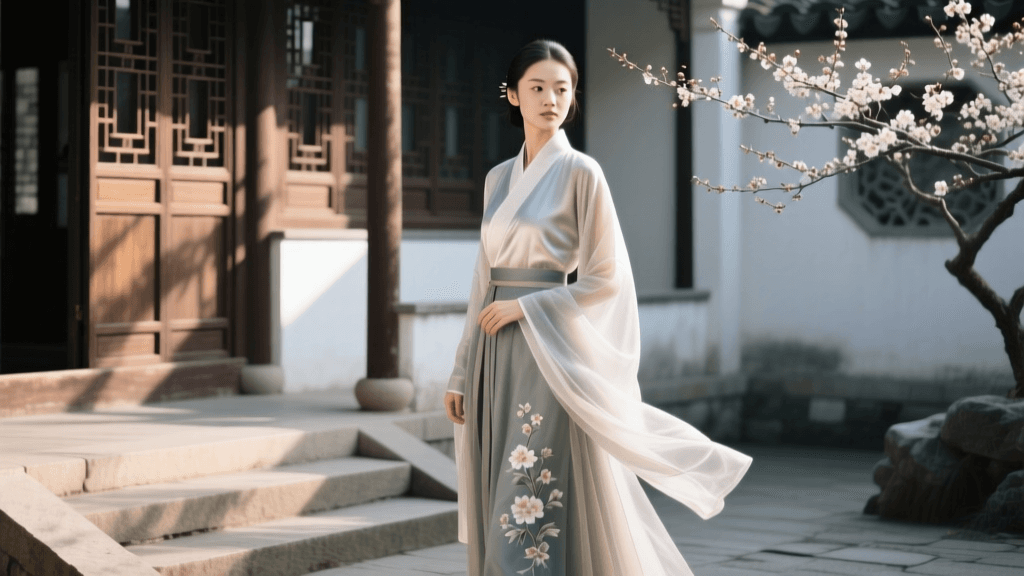
The Hanfu movement has evolved dramatically over the last decade, transitioning from a niche internet subculture into a multi-billion-dollar global industry. As of 2026, the demand for authentic, historically accurate traditional Chinese garments has created a massive skills gap in the market. Enthusiasts are no longer satisfied with mass-produced, inaccurate costumes; they seek museum-quality textiles, precise pattern drafting, and culturally respectful styling. This surge in demand has given rise to formalized Hanfu education workshops and professional certification programs. Whether you are an aspiring fashion designer, a period drama wardrobe consultant, or a boutique owner, obtaining a recognized certification in Hanfu craftsmanship is now the gold standard for establishing credibility in the traditional apparel sector.
Top Hanfu Certification Programs Reviewed
Navigating the landscape of traditional garment education can be challenging, especially with the proliferation of unverified online courses. Below, we review the most prestigious and industry-recognized Hanfu certification programs available to domestic and international students in 2026.
1. Beijing Institute of Fashion Technology (BIFT) - Traditional Apparel Diploma
The Beijing Institute of Fashion Technology remains at the absolute forefront of traditional Chinese garment education. Their 2026 Traditional Apparel Diploma is a rigorous, six-month intensive program that bridges the gap between ancient textile techniques and modern fashion technology. Students spend weeks mastering Pingjian (traditional flat pattern cutting), which relies on geometric precision rather than Western dart manipulation. The curriculum heavily emphasizes the structural differences between Ming dynasty Mamianqun (horse-face skirts) and Song dynasty Baixie pleating. Graduates leave with a comprehensive portfolio and a diploma that is highly sought after by major film studios and high-end heritage brands.
2. Donghua University Shanghai Fashion Museum - Textile & Dye Masterclass
Located in the heart of China's fashion capital, Donghua University offers a specialized masterclass focusing entirely on heritage textiles and natural dyeing. Understanding the fabric is just as crucial as understanding the cut. This program dives deep into the creation and identification of luxury heritage fabrics like Xiangyunsha (gambiered Canton gauze) and Song brocade. As noted by UNESCO's Intangible Cultural Heritage listings, the sericulture and silk craftsmanship of China require immense technical knowledge to preserve. Donghua's workshop ensures students can identify authentic warp and weft structures, understand momme weight variations, and ethically source sustainable silk for modern Hanfu production.
3. China Hanfu Cultural Promotion Association - Styling & Etiquette Certificate
For those focused on the visual presentation and cultural context of Hanfu, the Association's Styling & Etiquette Certificate is the premier choice. This four-week hybrid program covers the intricate rules of layering (Zhongyi, Waiyi, and Pibo), historical hairpin placement, and the specific etiquette required for traditional coming-of-age ceremonies (Guanli and Jili). The 2026 syllabus has been updated to include digital styling modules, teaching students how to use 3D rendering software to prototype historical looks before cutting physical fabric.
Core Curriculum: What You Will Actually Learn
A legitimate Hanfu certification program goes far beyond simple sewing. The pedagogy is rooted in historical archaeology, textile science, and cultural philosophy. Here is a breakdown of the core competencies you will master in a top-tier 2026 workshop:
- Jiaoling Youren (Cross-Collar Right Over Left): Mastering the philosophical and structural foundations of the Hanfu collar, ensuring the left lapel always crosses over the right, a rule that has dictated Chinese dress for millennia.
- Historical Pattern Drafting: Learning to draft patterns using traditional bamboo rulers and proportional body measurements, avoiding Western tailoring shortcuts that distort the historical silhouette.
- Textile Identification: Differentiating between modern synthetic brocades and authentic jacquard-woven silks, a critical skill for museum consultants and high-end retailers.
- Accessory Crafting: Introductory modules on Ronghua (velvet flower) making and metal hairpin assembly, which are essential for complete historical styling.
2026 Program Comparison Chart
| Program | Duration | Cost (2026 USD) | Format | Best For |
|---|---|---|---|---|
| BIFT Traditional Apparel Diploma | 6 Months | $4,800 | In-Person (Beijing) | Pattern-makers & Film Wardrobe Designers |
| Donghua Textile & Dye Masterclass | 8 Weeks | $2,950 | In-Person (Shanghai) | Textile Sourcing & Boutique Owners |
| Association Styling & Etiquette Cert. | 4 Weeks | $950 | Hybrid (Online + Practical) | Stylists, Influencers & Event Planners |
Essential Tools for the Modern Hanfu Workshop
If you are enrolling in a certification program or setting up your own Hanfu studio in 2026, you must invest in the correct tools. Traditional garment making requires specific equipment that differs vastly from Western tailoring kits. First, invest in heavy-duty, long-blade silk shears; cutting delicate Xiangyunsha requires a perfectly clean edge that standard fabric scissors cannot provide. Second, acquire a set of traditional wooden pressing blocks and a specialized silk iron. Modern steam irons can easily water-spot or scorch heritage silks, making dry-heat wooden blocks the professional standard. Finally, familiarity with CLO 3D software is now practically mandatory. Top programs in 2026 require students to digitally drape and simulate the heavy pleats of a Mamianqun to calculate fabric yardage and weight distribution before committing to expensive silk cuts.
Career Paths for Certified Hanfu Professionals
The financial and cultural return on investment for a Hanfu certification is substantial in the current market. Certified professionals are actively recruited by major streaming platforms producing high-budget historical dramas, where accuracy is heavily scrutinized by netizens. Additionally, museums and cultural institutions frequently hire certified archivists to restore, mount, and document antique textiles. According to historical textile archives documented by institutions like The Metropolitan Museum of Art, the preservation of Asian silk garments requires highly specialized knowledge of humidity, light exposure, and structural stress points—skills directly taught in advanced textile masterclasses. Finally, many graduates open bespoke Hanfu ateliers, catering to clients seeking historically accurate wedding garments or ceremonial dress for traditional festivals.
How to Enroll and Prepare
Applying to these prestigious programs requires preparation. While institutions like BIFT and Donghua have historically required high-level Mandarin proficiency, the 2026 academic year has seen the introduction of English-taught modules and dedicated international student liaisons to accommodate the global surge in Hanfu interest. Prospective students should prepare a portfolio showcasing their current sewing skills, an essay on their specific area of historical interest (e.g., Tang dynasty round-collar robes vs. Wei-Jin cross-collar aesthetics), and a basic understanding of Chinese dynastic timelines. Securing a student visa for in-person workshops in Beijing or Shanghai should be initiated at least four months in advance, as cultural exchange visas require sponsorship from the host institution.
Conclusion
The Hanfu renaissance is no longer a fleeting trend; it is a permanent fixture of the global fashion and cultural heritage landscape. By investing in a formal education workshop and obtaining a recognized certification in 2026, you position yourself at the intersection of ancient artistry and modern professional design. Whether you are drafting the perfect pleat for a Song dynasty skirt or sourcing ethical silk for a bespoke bridal commission, the knowledge gained from these elite programs ensures that the profound legacy of traditional Chinese dress is preserved, respected, and beautifully executed for generations to come.