Bavarian Schuhplattler Dance Tracht: 2026 Festival Costume Guide
The Intersection of Folk Dance and Bavarian Tracht in 2026
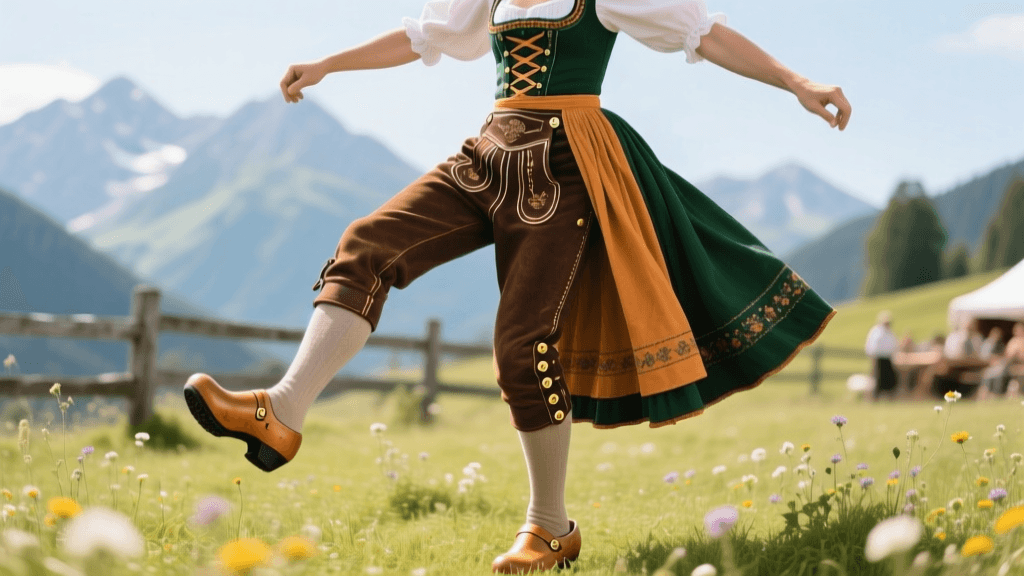
When exploring the rich tapestry of European folk dress, few traditions are as dynamically intertwined with movement and rhythm as the Bavarian Schuhplattler. Originating in the alpine regions of Bavaria, Austria, and South Tyrol, this traditional folk dance is a spectacular display of athleticism, courtship, and regional pride. As we navigate the 2026 folk festival season, the demand for authentic, movement-optimized Tracht (traditional folk costume) has reached new heights. Unlike static museum pieces, the garments worn for the Schuhplattler are highly engineered to withstand rigorous thigh-slapping, leaping, and rapid twirling.
In 2026, the preservation of these textile traditions is championed by organizations like the Bayerischer Trachtenverband (Bavarian Folk Costume Association), which enforces strict guidelines on historical accuracy, sustainable material sourcing, and proper tailoring for dance troupes. Whether you are a seasoned dancer preparing for the summer Gauefest or a cultural enthusiast attending a regional folk festival, understanding the biomechanics and construction of dance-specific Tracht is essential.
Anatomy of the Schuhplattler Lederhosen
The male costume for the Schuhplattler centers around the Kurze Lederhosen (short leather trousers). While modern fashion versions often prioritize aesthetics over function, a true dancer's Lederhosen must meet rigorous structural requirements to survive the percussive strikes of the dance.
Leather Selection and the Art of Sämischgerbung
For the 2026 festival circuit, authentic dance Lederhosen are crafted using Sämischgerbung (brain-tanning or oil-tanning), typically utilizing deer (Hirsch) or chamois (Gams) leather. This ancient tanning method yields a leather that is exceptionally soft, breathable, and, most importantly, quiet. When a dancer strikes his thigh, the leather must absorb the impact without producing a harsh, plastic-like crack. The ideal thickness for dance trousers in 2026 is between 1.2mm and 1.4mm—thick enough to protect the skin during the Watschn (the rhythmic slapping sequence), but supple enough to allow for deep squats and high jumps.
The Drop-Flap (Latzen) and Suspender Engineering
The iconic drop-front flap, or Latzen, is secured by two horn or antler buttons. For dancers, the stitching around the Latzen must be reinforced with heavy-duty linen thread to prevent tearing during aggressive choreography. The suspenders (Hosenträger) are equally critical. They are worn crossed in the back and feature a wide, heavily embroidered breast shield (Steg). In 2026, master saddlers and leatherworkers are utilizing sustainably sourced alpine deer hides, with bespoke dance suspenders costing between €250 and €450, reflecting the intense hand-embroidery (Stickerei) depicting edelweiss, oak leaves, or hunting motifs.
The Dirndl: Engineered for the Dance Floor
The female counterpart in the Schuhplattler is the Dirndl, a garment that, when tailored for folk dance, is a marvel of kinetic engineering. The dance involves the Dirndl-Dreh, a rapid, continuous spinning motion where the female dancer becomes a living bell of fabric and color.
Skirt Width and the Physics of the Dirndl-Dreh
A standard fashion Dirndl might feature a skirt circumference of 1.5 to 2 meters. However, a performance-grade Dirndl for the 2026 dance season requires a minimum circumference of 3.5 to 4.5 meters. This immense volume of fabric—often crafted from organic alpine linen, fine wool, or sustainably dyed cotton—is heavily pleated and attached to a reinforced waistband. When the dancer spins, centrifugal force lifts the heavy hemline outward, creating the breathtaking, perfectly horizontal silhouette that is the hallmark of the Schuhplattler. To manage this weight, the waistband is often lined with cotton velvet to prevent friction and slipping during vigorous movement.
Bodice Construction and Blouse Mechanics
The bodice (Mieder) must provide substantial core support without restricting the diaphragm, as the dance requires immense cardiovascular endurance. In 2026, traditional tailors are incorporating hidden, flexible corsetry boning made from recycled synthetic whalebone, offering historical structure with modern comfort. The accompanying blouse (Bluse) features the iconic Puffärmel (puffed sleeves). For dancers, the armholes are cut slightly lower and wider than standard fashion blouses to allow for unrestricted overhead arm movements during the partner-swapping sequences of the dance.
Footwear and Hosiery: The Foundation of the Plattler
No Tracht is complete without the proper footwear. Male dancers wear Haferlschuhe, a robust, side-laced alpine shoe originally designed for mountain climbing. The thick, nailed leather sole provides the necessary acoustic 'clack' on wooden festival stages, while the side-lacing prevents pressure on the instep during deep knee bends. Female dancers wear Trachtenschuhe, characterized by a sturdy, low block heel and a rounded toe, secured with a silver or brass buckle.
Both genders wear the Loferl or Stutzen—thick, ribbed wool calf warmers. For the Schuhplattler, the Loferl must be tightly knit to stay in place during leaps, often featuring a subtle folded cuff just below the knee. According to cultural historians at the Bavaria Tradition Portal, the specific knit patterns of the Loferl often denote the dancer's exact village of origin, serving as a textile fingerprint during regional competitions.
The Apron Code: Communication on the Dance Floor
The Dirndl apron (Schürze) is tied at the front, and the placement of the bow is a strict, universally understood code in Bavarian culture. While this applies to all festival-goers, dancers must adhere to it flawlessly:
- Bow on the Left: The dancer is single and open to courtship (historically relevant to the dance's origins as a mating ritual).
- Bow on the Right: The dancer is married or in a committed relationship.
- Bow in the Center Front: Traditionally signifies virginity, though in modern 2026 troupes, it is often worn by young, unmarried dancers under a certain age.
- Bow in the Center Back: Indicates the dancer is widowed, or, practically speaking, that she is currently working as a waitress or festival staff.
2026 Bavarian Folk Dance Festival Calendar
Planning your Tracht preparation requires knowing the strictness levels of upcoming festivals. Here is a guide to the major 2026 events where authentic, dance-optimized Tracht is mandatory.
| Festival Name | Location | 2026 Dates | Tracht Strictness |
|---|---|---|---|
| Bayerisches Gauefest | Chiemgau Region | July 10-12, 2026 | Extremely High (Jury Inspected) |
| Salzburger Volksfest | Salzburg, Austria | August 15-18, 2026 | High (Traditional Troupes Only) |
| Oktoberfest Trachtenumzug | Munich, Bavaria | September 20, 2026 | High (Historical Accuracy Required) |
| Alpenländisches Tanzfest | Garmisch-Partenkirchen | October 5-7, 2026 | Moderate (Dance Function Prioritized) |
Sourcing Authentic Tracht: 2026 Pricing and Sustainability
As of 2026, the Tracht industry has seen a massive shift toward hyper-local, sustainable production. Mass-produced, synthetic 'party dirndls' are increasingly banned from official folk dance enclosures. Investing in bespoke, dance-ready Tracht is a significant financial commitment. A fully handmade, brain-tanned Kurze Lederhosen from a master tailor in Miesbach or Berchtesgaden now averages between €1,200 and €1,800, reflecting the 40+ hours of hand-stitching and embroidery required. A performance-grade Dirndl, including the heavily pleated skirt, tailored bodice, and silk-blend apron, typically ranges from €800 to €1,500.
'The Schuhplattler is not merely a performance; it is a conversation between the dancer, the earth, and the ancestors. Your Tracht must be alive, breathing and moving with you, not merely worn as a costume.' — Master Trachten Tailor, Oberbayern.
For those new to the tradition, many established 2026 troupes offer 'Tracht leasing' programs or second-hand exchanges, ensuring that high-quality, historically accurate garments are circulated within the community rather than discarded. When purchasing, always look for the Echtheitszertifikat (Certificate of Authenticity) provided by regional Trachten associations, which verifies the origin of the leather, the natural dyes used in the textiles, and the traditional hand-stitching techniques employed. By prioritizing movement, historical accuracy, and sustainable craftsmanship, you ensure that the legacy of the Bavarian Schuhplattler continues to thrive on the festival stages of 2026 and beyond.