Awa Odori Festival Costumes: Yukata, Geta & Dance Gear
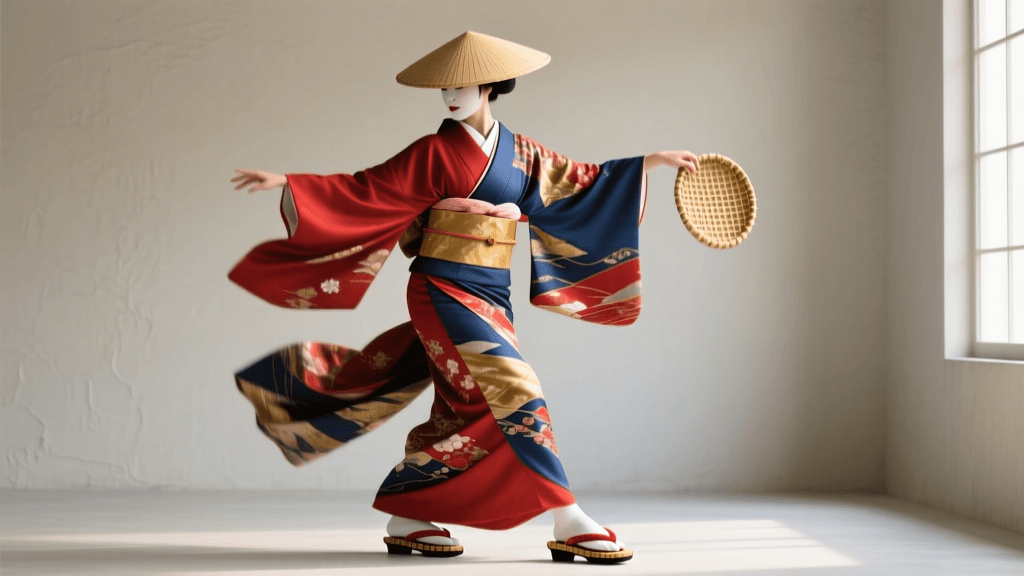
The Anatomy of the 'Fool's Dance': Performance Wear for Awa Odori
The Awa Odori, held annually in Tokushima, Japan, is one of the country's most energetic and visually spectacular summer festivals. Known as the 'Fool's Dance,' its origins trace back to the late 16th century. Today, it draws over a million spectators and features thousands of dancers organized into groups known as 'Ren.' According to the Awa Odori Kaikan, the festival's official cultural hall, the choreography is divided into two main styles: the elegant, upright Nagashi, and the vigorous, low-to-the-ground Zomeki. For performers, selecting the right traditional Japanese garments is not merely about aesthetics; it is a matter of biomechanics, endurance, and cultural authenticity.
Unlike formal silk kimono worn for tea ceremonies or weddings, festival performance costumes prioritize breathability, mobility, and sweat management. This guide breaks down the essential components of the Awa Odori wardrobe, offering actionable advice on measurements, materials, and budgeting for aspiring performers and cultural enthusiasts.
The Foundation: Choosing the Right Yukata for Dance
While the word 'yukata' often evokes images of lightweight, casual summer robes worn at fireworks festivals, a performance-grade Awa Odori yukata is a specialized garment. Dancers typically avoid synthetic blends, opting instead for high-quality cotton or hemp-cotton blends that wick moisture and withstand rigorous, repetitive movement.
Fabric and Weave: The Importance of Chijimi
For intermediate to advanced dancers, Chijimi (crepe) cotton is the gold standard. The crepe weave creates a textured surface that prevents the fabric from clinging to sweaty skin, allowing for maximum airflow. When sourcing a performance yukata, look for a fabric weight between 30g/m² and 40g/m². Hemp blends are also highly prized for their stiffness and cooling properties, though they command a premium price.
Measurements and Hemline Adjustments
The most critical modification for a dance yukata is the hemline. A standard formal yukata is tailored to fall just above the ankle bone. However, for the Zomeki style—which involves deep squats, kicks, and low center-of-gravity movements—the hem must be shortened to the mid-calf to prevent tripping.
- Mitake (Back Length): Measure from the base of the neck (the prominent cervical vertebra) down to the desired hem. For male Zomeki dancers, this is typically 105cm to 115cm, significantly shorter than formal wear.
- Sode (Sleeve Length): Sleeves should be tailored with a deeper furi (opening) to allow unrestricted arm movements when playing the shamisen or waving fans.
- Okumi (Front Panel): Ensure the front overlap is wide enough (at least 15cm) to prevent the garment from flying open during high kicks.
Footwork and Footwear: Geta and Tabi
The iconic clacking sound of wooden clogs is the auditory heartbeat of the Awa Odori. However, dancing on cobblestones and asphalt in wooden footwear requires careful selection and physical conditioning.
Selecting the Right Geta
Performance geta are carved from Kiri (Paulownia) wood, chosen for its lightweight and shock-absorbing properties. The height of the geta dictates the dancer's posture and style:
- Low Geta (4cm - 5cm): Ideal for beginners and male Zomeki dancers who require a stable, low center of gravity for acrobatic movements.
- Mid-High Geta (6cm - 7cm): Standard for female dancers and Nagashi performers, promoting an elegant, upright posture and a distinctive swaying gait.
- Tall Geta (8cm+): Reserved for advanced performers and stage showcases. These require immense calf strength and ankle stability.
Actionable Tip: The hanao (the thong that secures the foot) must be tied tightly. For performances, dancers often wrap the hanao in athletic tape or use specialized rubberized grips to prevent blisters during the multi-hour parades.
Tabi Socks: Cotton vs. Rubber
Traditional white cotton tabi (split-toe socks) are worn for elegance and formal stage performances. However, for street parades, many dancers opt for jika-tabi (rubber-soled split-toe shoes) or specialized rubber-padded tabi inserts to provide traction and cushioning against hard pavement.
Securing the Silhouette: Obi, Tenugui, and Amigasa
A performance costume must remain securely fastened despite vigorous choreography and high summer humidity.
The Obi: Heko vs. Kaku
While women in the Nagashi style often wear beautifully tied, structured obi, male dancers and energetic Zomeki performers rely on the Heko Obi or a soft cotton Kaku Obi. The Heko obi is a wide, sash-like belt made of lightweight, crinkled cotton or silk. It is tied in a bulky, informal knot at the back or side, allowing for deep spinal flexion and core rotation without the rigid restriction of a formal brocade obi.
Amigasa and Tenugui
The Amigasa is a woven sedge straw hat worn low over the eyes, primarily in the Nagashi style to create an air of mystery and elegance. It is secured with a himō (chinstrap) tied tightly behind the head to prevent it from catching the wind. Beneath the hat or tied around the head as a hachimaki, the tenugui (traditional cotton hand towel) serves a dual purpose: it absorbs sweat and acts as a canvas for the Ren's specific crest or dye pattern.
Comparison Chart: Awa Odori Costume Tiers
Whether you are joining a local community Ren or preparing for a competition, understanding the investment required for each tier is crucial. The Japan National Tourism Organization highlights the diversity of festival participants, from casual tourists to lifelong masters.
| Tier | Yukata Material | Footwear | Est. Cost (USD) | Setup Time |
|---|---|---|---|---|
| Beginner (Niwaka) | Standard Printed Cotton | Low Geta / Sneakers | $80 - $150 | 15 mins |
| Intermediate (Ren Member) | Cotton Crepe (Chijimi) | Mid-High Kiri Geta & Tabi | $250 - $400 | 30 mins |
| Advanced (Competition) | Custom Dyed Hemp/Cotton Blend | Tall Lacquered Geta | $600 - $1,500+ | 45+ mins |
Practical Guide: Sourcing, Budgeting, and Timing
Acquiring authentic, performance-ready Awa Odori gear requires foresight. Traditional dye houses and geta craftsmen in Tokushima and Kyoto experience massive backlogs leading up to the August festival season.
Timing Your Purchase
If you require custom tailoring or a specific Ren crest dyed onto your yukata, you must place your orders by early May. Off-the-rack performance yukata and standard Kiri geta can be purchased from specialized online retailers like Yamatoku or Shikoku-based festival shops up until late June.
Maintenance and Care
After a sweaty August performance, never leave your cotton yukata bundled in a bag. Hand wash the garment in cold water with a mild, neutral detergent, and hang it to dry in the shade to prevent the indigo or synthetic dyes from fading. For your Kiri geta, use fine-grit sandpaper to smooth out any splinters acquired from the asphalt, and inspect the hanao thongs for fraying. Replacing hanao is a standard maintenance task; most dancers learn to thread and knot their own replacements to ensure the tension perfectly matches their foot arch.
'The dancers are fools, the watchers are fools, both are fools alike so why not dance?' - Traditional Awa Odori Folk Song
Conclusion
Mastering the Awa Odori is as much about respecting the traditional garments as it is about learning the choreography. By selecting the appropriate Chijimi cotton, calibrating your geta height to your dance style, and securing your silhouette with a functional Heko obi, you ensure that your costume becomes an extension of your movement rather than a hindrance. Whether you are dancing the elegant Nagashi or the wild Zomeki, proper preparation allows you to fully immerse yourself in Japan's most exhilarating summer tradition.