Norwegian Bunad Silver Sølje & Crowns: 2026 Buyer Guide
The Enduring Legacy of Norwegian Bunad Silver
As we navigate the vibrant folk festival season of 2026, the resurgence of traditional European dress has never been more pronounced. Among the most visually striking and culturally significant elements of this revival is the Norwegian bunad and its accompanying silver jewelry, collectively known as sølje. Far from being mere decorative accessories, these intricate silver pieces are deeply rooted in Scandinavian history, serving as markers of regional identity, familial wealth, and even spiritual protection. For contemporary enthusiasts, collectors, and those attending heritage festivals this year, understanding the nuances of bunad silver and the iconic brudekrone (bridal crown) is essential. This comprehensive 2026 guide will walk you through the anatomy, regional variations, and modern sourcing of Norway’s most treasured folk accessories.
Mythology and Meaning: More Than Just Adornment
To truly appreciate Norwegian folk jewelry, one must understand its mythological origins. Historically, rural Norwegians believed that silver possessed powerful apotropaic (evil-averting) qualities. The bright, reflective nature of polished silver was thought to blind or confuse the huldra (seductive forest spirits) and trolls, protecting the wearer from being lured into the mountains. Furthermore, the dangling elements of the sølje, often shaped like tiny spoons or leaves, were designed to catch the light and create a soft chiming sound, which was believed to ward off malevolent entities. Today, while the 2026 wearer may not be actively guarding against forest trolls, the cultural resonance and protective symbolism of these pieces remain a profound point of pride, as documented by cultural historians at the Norsk Folkemuseum.
Decoding the Sølje: Anatomy of Folk Jewelry
A complete set of bunad silver is a marvel of metalsmithing, typically comprising several distinct pieces that work in harmony with the garment's embroidery and tailoring.
The Halssølje (Neck Brooch)
The halssølje is worn at the base of the throat, securing the collar of the bunad shirt. It is usually round or oval, featuring a central motif surrounded by radiating filigree or cast elements. In 2026, the trend among younger artisans is to incorporate ethically sourced, recycled sterling silver, maintaining the traditional weight while appealing to modern sustainability values.
The Brystspenne (Chest Brooch)
Often the largest and most elaborate piece, the brystspenne fastens the front of the bodice or vest. It typically features a central stone (often quartz or amethyst) or a raised dome, surrounded by intricate wirework and dangling 'spoons' (skjeer). The complexity of the brystspenne often dictates the overall value of the silver set.
Mansjettknapper and Beltestøler
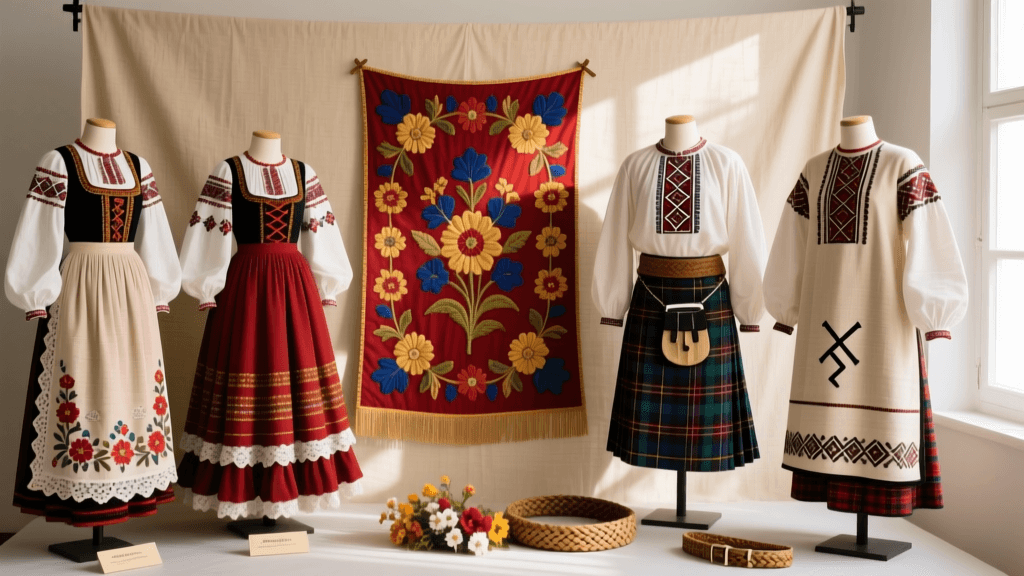
Cufflinks (mansjettknapper) are essential for securing the wide cuffs of the traditional linen shirt. They are usually smaller, matching the design language of the neck brooch. Belt fittings (beltestøler) and ornate buckles are used to decorate the leather or woven belts worn over the skirt or trousers, providing structural support and a flash of silver at the waist.
Regional Variations: A 2026 Market Breakdown
Norway’s dramatic topography historically isolated communities, leading to highly distinct regional jewelry styles. When shopping for authentic pieces in 2026, identifying the regional hallmarks is crucial for accurate valuation and proper styling. Below is a breakdown of the most sought-after regional styles and their current market dynamics.
| Region | Signature Piece | 2026 Avg. Artisan Price (USD) | Key Design Motif |
|---|---|---|---|
| Setesdal | Fesjå (Cufflinks) & Heavy Sølje | $450 - $850 | Dark oxidized silver, heavy cast drops, ancient Viking-era influences |
| Hardanger | Brystspenne | $800 - $1,400 | Delicate, bright polished filigree, floral and leaf drops |
| Telemark | Beltestøl (Belt Fittings) | $350 - $600 | Rosemaling-inspired scrollwork, asymmetrical floral vines |
| Voss | Halssølje | $400 - $650 | Symmetrical cross motifs, intricate wire-weaving, central glass stones |
The Brudekrone: Norway’s Iconic Bridal Crown
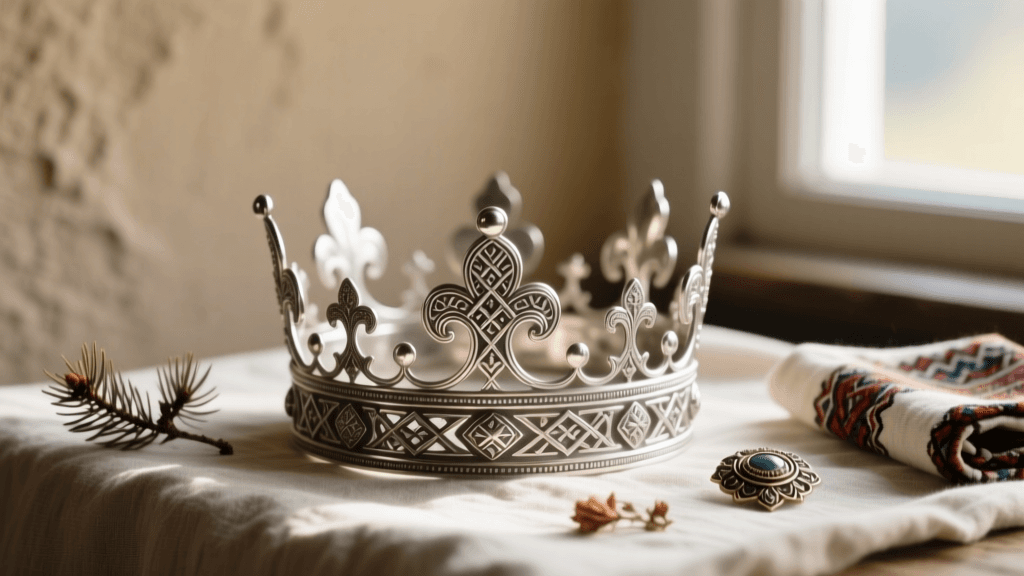
No discussion of Norwegian folk headwear is complete without the brudekrone, or bridal crown. Historically, these towering, ornate headpieces were worn only on a woman's wedding day, symbolizing her purity and her family's social standing. Traditional crowns are crafted from silver, brass, or copper, and are heavily adorned with glass stones, pearls, and ribbons. Some regional crowns, like those from Voss or Hardanger, can weigh several pounds and feature towering spikes or intricate wire trees.
In 2026, the market for bridal crowns has bifurcated. While heirloom pieces are fiercely guarded and passed down through generations, many modern brides opt to rent authentic vintage crowns from local husflidslag (craft associations). For those looking to purchase, contemporary metalsmiths are now offering lightweight titanium-silver alloy frames that maintain the visual grandeur of the traditional brudekrone without the neck strain associated with antique solid-silver pieces.
Authenticating and Sourcing Silver in 2026
The global demand for European folk dress accessories has unfortunately led to an influx of mass-produced, overseas replicas. When investing in bunad silver this year, authentication is paramount. Genuine Norwegian silver is typically marked with the silver content (usually 830S or 925S for sterling) and the maker's mark.
The gold standard for authenticity is the Mesterbrev (Master Craftsman certificate). In Norway, the Mesterbrev is a state-protected title awarded only to artisans who have completed rigorous apprenticeships and passed demanding practical exams. When purchasing from a jeweler in Oslo, Bergen, or online in 2026, always ask if the pieces are forged by a Mester. Furthermore, institutions like The Metropolitan Museum of Art frequently highlight the distinct metallurgical techniques of Northern European folk artisans, noting that authentic Scandinavian filigree relies on specific soldering methods that leave distinct microscopic markers, differentiating it from modern cast imitations.
Styling Heritage Silver for Modern Wardrobes
While the bunad is strictly regulated by regional committees, the styling of sølje has seen a creative renaissance in 2026. Many folk dress enthusiasts are incorporating individual vintage pieces into contemporary 'cabin-core' or dark academia wardrobes. A heavy Setesdal halssølje paired with a simple black linen tunic, or a delicate Hardanger cufflink repurposed as a lapel pin on a wool blazer, bridges the gap between historical preservation and modern sartorial expression. The key is to let the silver stand alone; avoid mixing traditional sølje with modern minimalist gold jewelry, as the contrasting visual weights and metal tones clash with the historical aesthetic.
Caring for Your Sølje and Crowns
Proper maintenance is critical to preserving both the monetary and historical value of your folk accessories. The approach to cleaning depends entirely on the regional style of the silver:
- Oxidized Silver (Setesdal): Never use harsh chemical dips or abrasive polishing cloths on Setesdal silver. The dark patina in the recesses is intentional and highlights the relief work. Clean only with a soft, dry microfiber cloth.
- Polished Filigree (Hardanger/Voss): Use a specialized silver foam applied with a soft brush to gently lift tarnish from the intricate wirework. Rinse with distilled water and dry immediately with compressed air to prevent water spots in the tight coils.
- Bridal Crowns (Brudekrone): Keep away from high humidity. Store in a custom-fitted, acid-free archival box lined with unbleached cotton. Never stack crowns, as the delicate wire trees and glass stones are highly susceptible to crushing.
- Textile Ribbons: If your crown or belt features silk ribbons, inspect them annually for signs of dry rot or pest damage, and store them flat rather than rolled to prevent permanent creasing.
Conclusion
The world of Norwegian bunad silver and bridal crowns is a masterclass in wearable history. As the 2026 folk revival continues to gain momentum, investing in authentic, well-crafted sølje is not just a fashion choice, but an act of cultural preservation. By understanding the regional nuances, demanding proper craftsmanship credentials, and practicing meticulous care, you ensure that these stunning artifacts of European folk dress will continue to catch the light—and perhaps ward off a few trolls—for generations to come.