Authentic Yukata vs Ro-Weave Komon: 2026 Matsuri Style Guide
The 2026 Summer Matsuri Renaissance
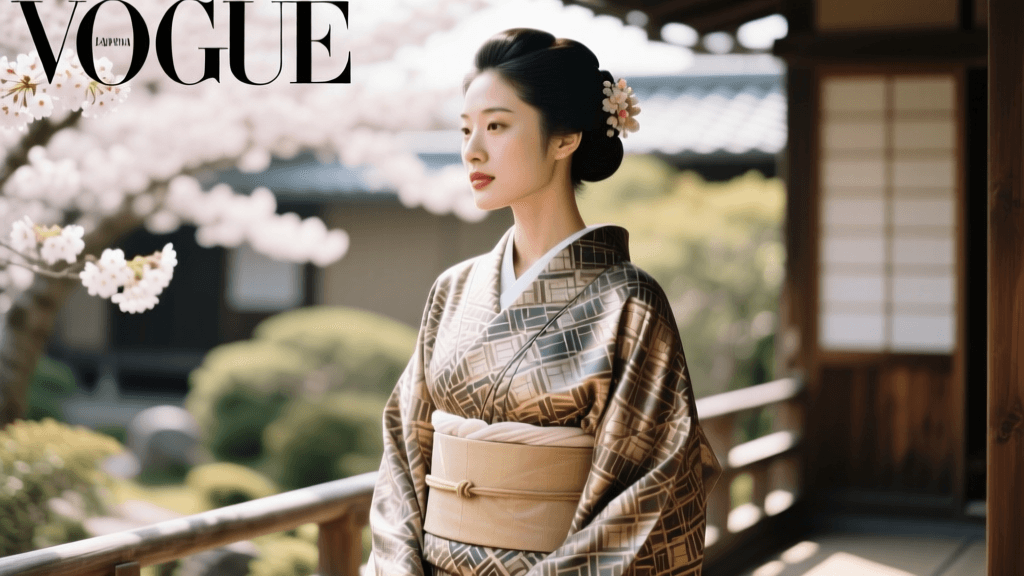
As the summer of 2026 approaches, Japan is experiencing a monumental renaissance in traditional festival culture. The matsuri (festival) season, characterized by vibrant parades, street food, and fireworks, is intrinsically linked to the garments worn by attendees. For both locals and international visitors, navigating the nuances of Japanese summer dress can be daunting. While the casual cotton yukata remains a beloved staple, the sophisticated ro-weave silk komon has seen a massive resurgence among enthusiasts seeking elevated elegance and superior breathability in the sweltering August heat.
This comprehensive guide explores the technical, cultural, and stylistic differences between the cotton yukata and the ro-weave silk komon. Whether you are attending the Gion Matsuri in Kyoto or the Sumidagawa Fireworks Festival in Tokyo, understanding these garments will ensure you dress appropriately, comfortably, and authentically in 2026.
Understanding the Cotton Yukata
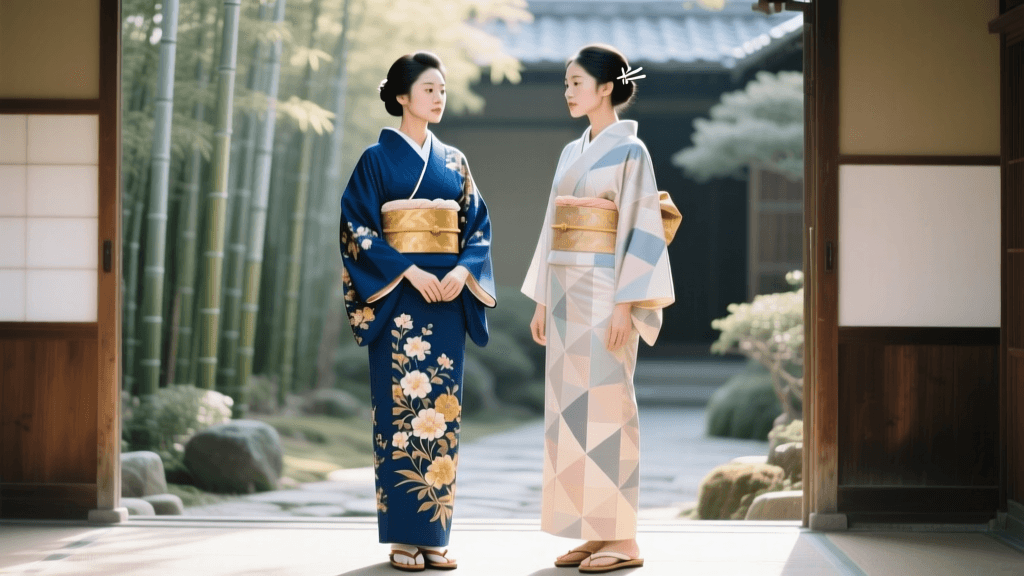
The yukata translates literally to 'bathing cloth,' originating in the Heian period as a lightweight robe worn by nobility after bathing. By the Edo period, it evolved into the everyday summer wear of the common people. Today, it is the undisputed king of casual festival wear.
Fabric and Construction
Traditional yukata are crafted from 100% cotton, specifically using a flat weave known as hira-ori. In 2026, there is a strong market shift toward organic, sustainably farmed cotton and natural indigo dyeing techniques, driven by eco-conscious consumers. The fabric is unlined (hitoe), making it exceptionally cool. The patterns range from traditional katazome (stencil dyeing) motifs like morning glories and goldfish to modern, avant-garde geometric prints.
Formality and Styling
Yukata sit at the very bottom of the kimono formality scale. They are worn directly over standard undergarments (a hadajuban and susoyoke) without the need for a formal nagajuban (under-kimono). They are typically paired with a hanhaba obi (half-width sash) and tied in simple knots like the bunko musubi (bow knot) or karuta musubi. Footwear consists of bare feet slipped into wooden geta clogs.
The Elegance of Ro-Weave Silk Komon
For those seeking a more refined aesthetic, the ro-weave komon offers a breathtaking alternative. While still appropriate for summer, it occupies a higher tier of formality and requires a deeper understanding of kimono dressing.
The Mechanics of Ro-Weave
Ro is a specialized leno weave silk that creates a fabric with distinct horizontal lines of open space. This is achieved by twisting adjacent warp threads around each other before the weft thread is passed through. The resulting fabric is incredibly sheer, lightweight, and structurally stable, allowing air to circulate freely against the skin. According to the Victoria & Albert Museum's comprehensive guide to Kimono, the mastery of sheer summer silks like ro and sha represents some of the most complex textile engineering in Japanese history.
Komon: The Micro-Pattern
Komon refers to a kimono featuring a small, repeating pattern that covers the entire garment. Historically, these micro-patterns were reserved for the kamishimo (formal dress) of samurai, who used them as a subtle display of clan affiliation. Today, a ro-weave komon is considered a versatile, semi-formal summer garment. It requires the wearing of a sheer nagajuban underneath to maintain modesty while preserving the cooling effect of the open weave.
Head-to-Head Comparison: Yukata vs. Ro-Weave Komon
To help you decide which garment suits your 2026 summer itinerary, consult the comparison chart below:
| Feature | Cotton Yukata | Ro-Weave Silk Komon |
|---|---|---|
| Primary Material | 100% Cotton (Hira-ori flat weave) | 100% Silk (Ro leno weave) |
| Undergarments | Basic cotton hadajuban and susoyoke | Sheer silk or synthetic nagajuban required |
| Obi Type | Hanhaba obi (half-width) | Nagoya obi or Fukuro obi (wider, formal) |
| Footwear | Bare feet with wooden Geta | Tabi socks with Zori (woven or vinyl sandals) |
| Formality Level | Casual / Festival | Semi-Formal / Elegant Evening |
| 2026 Retail Price | ¥5,000 - ¥25,000 ($35 - $170 USD) | ¥60,000 - ¥150,000+ ($400 - $1,000+ USD) |
| Best Occasion | Fireworks, street food stalls, bon-odori | Tea ceremonies, upscale dining, VIP matsuri viewing |
Essential Accessories and 2026 Styling Trends
Completing the silhouette requires careful selection of accessories. The 2026 styling trends emphasize a blend of historical accuracy and modern comfort.
The Obi and Koshihimo
For yukata, the hanhaba obi is standard. This year, reversible hara-awase hanhaba obi, which offer two contrasting patterns in one sash, are dominating the market. For the ro-weave komon, a Nagoya obi is essential. Look for sheer hakata-ori weaves that complement the transparency of the ro silk. To secure these garments, modern dressers are increasingly using silicone-grip koshihimo (tying sashes) rather than traditional silk ones, preventing the heavy obi from slipping during long festival walks.
Footwear Innovations
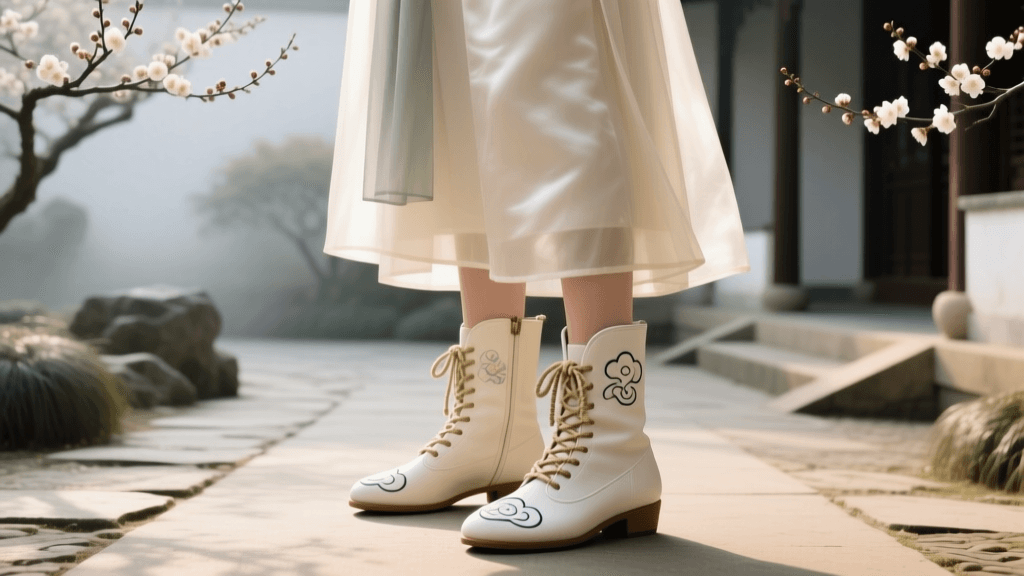
While traditional wooden geta remain mandatory for yukata, 2026 has seen the introduction of ergonomic, memory-foam lined zori for ro-weave komon wearers. These modern zori maintain the traditional vinyl or woven rush exterior but feature shock-absorbing insoles, allowing attendees to stand for hours watching portable shrine (mikoshi) processions without foot fatigue.
Carrying Essentials
Large handbags disrupt the kimono silhouette. Instead, opt for a kinchaku (drawstring pouch). For yukata, cotton or denim kinchaku with bamboo handles are trendy. For the komon, a woven rattan or silk-brocade basket bag adds a touch of seasonal luxury.
Sourcing Authentic Garments in 2026
Finding genuine, high-quality garments requires knowing where to look. The Kyoto City Tourism Association frequently updates directories of certified traditional craft artisans, which is invaluable for serious collectors.
- For New Cotton Yukata: The Otsuka area in Tokyo remains the premier destination. Shops like Fujiya Kimono offer endless bolts of cotton fabric, allowing you to select a pattern and have it custom-tailored to your exact measurements within 48 hours.
- For Ro-Weave Silk Komon: The Nishijin district in Kyoto is the historic heart of silk weaving. Visiting established galleries here ensures you are purchasing authentic, hand-woven ro silk rather than mass-produced synthetic imitations.
- Recycling and Vintage: The 2026 sustainability movement has made high-end vintage kimono incredibly popular. Stores like Chicago in Harajuku or Tansu-ya nationwide offer pristine, mid-century ro-weave komon at a fraction of the cost of new bespoke pieces, provided you are willing to navigate the specific sizing constraints of vintage garments.
Garment Care and Maintenance
Proper care ensures these garments survive the humid Japanese summer and remain heirlooms for future generations.
Washing and Cleaning
Cotton yukata are generally machine washable on a gentle cycle using a mesh laundry bag and mild detergent. However, indigo-dyed pieces must be hand-washed separately in cold water to prevent severe color bleeding. Ro-weave silk komon must never be washed with water. They require professional dry cleaning. In Japan, the traditional arai-hari method involves unsewing the kimono, washing the flat fabric bolts, and re-sewing them. While rare today, a few specialist cleaners in Kyoto still offer this service for vintage silk restoration.
Summer Storage
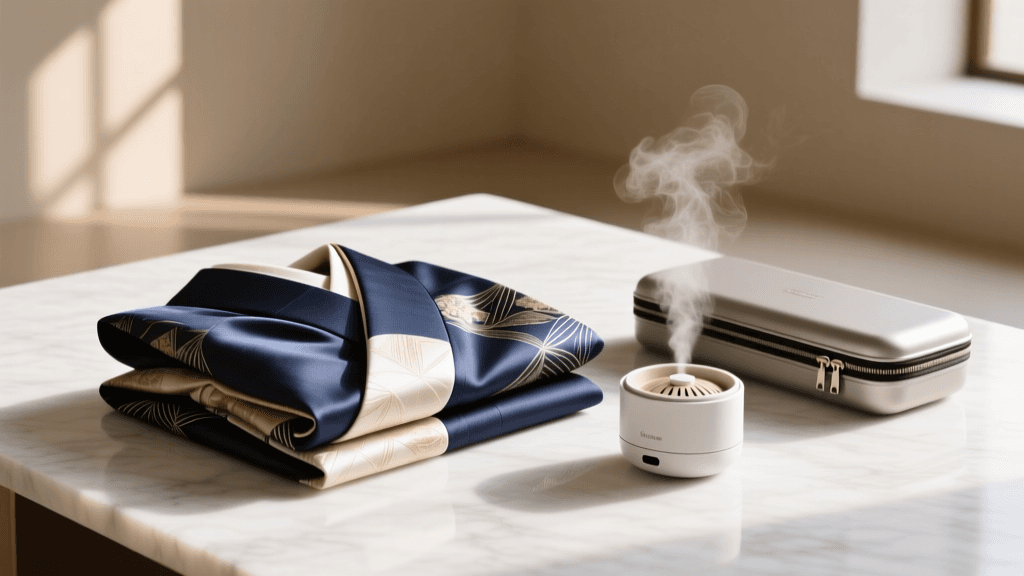
Humidity is the enemy of silk. After the summer season ends in September, air your ro-weave komon in a shaded, well-ventilated area for a day before storing. Wrap the garment in acid-free tatoushi (kimono wrapping paper) and store it in a cedar chest (tansu) with natural desiccants. Avoid plastic bags, which trap moisture and cause yellowing or mold on delicate silk fibers.
Conclusion
The choice between a cotton yukata and a ro-weave silk komon ultimately depends on your itinerary, budget, and desired level of formality. The yukata offers an accessible, joyful, and deeply traditional festival experience, perfect for dancing the night away at a bon-odori. The ro-weave komon, however, provides an unparalleled canvas of textile art, offering a cool, elegant, and sophisticated presence at upscale summer events. By understanding the distinct characteristics of each, you can confidently step into the 2026 summer matsuri season dressed with authenticity and grace.
For more information on seasonal festival schedules and regional dress codes, travelers are encouraged to consult the Japan National Tourism Organization (JNTO) before finalizing their summer itineraries.