Authentic Vyshyvanka and Romanian Ie Blouses 2026 Buying Guide
The Resurgence of Eastern European Folk Dress in 2026
Eastern European folk dress has transcended regional festivals and museum archives to become a cornerstone of the global sustainable fashion movement in 2026. At the heart of this cultural renaissance are two iconic garments: the Ukrainian Vyshyvanka and the Romanian Ie (pronounced 'ee-yeh'). As consumers increasingly reject fast fashion in favor of heritage craftsmanship, these meticulously hand-embroidered blouses have seen a massive surge in demand. However, this popularity has also led to a market flooded with mass-produced, culturally appropriated imitations. For the discerning collector or conscious consumer, understanding the nuances of authentic Slavic and Balkan textile traditions is essential. This comprehensive 2026 guide will walk you through the anatomy, sourcing, styling, and preservation of these masterpieces of European folk dress.
The Anatomy of the Ukrainian Vyshyvanka
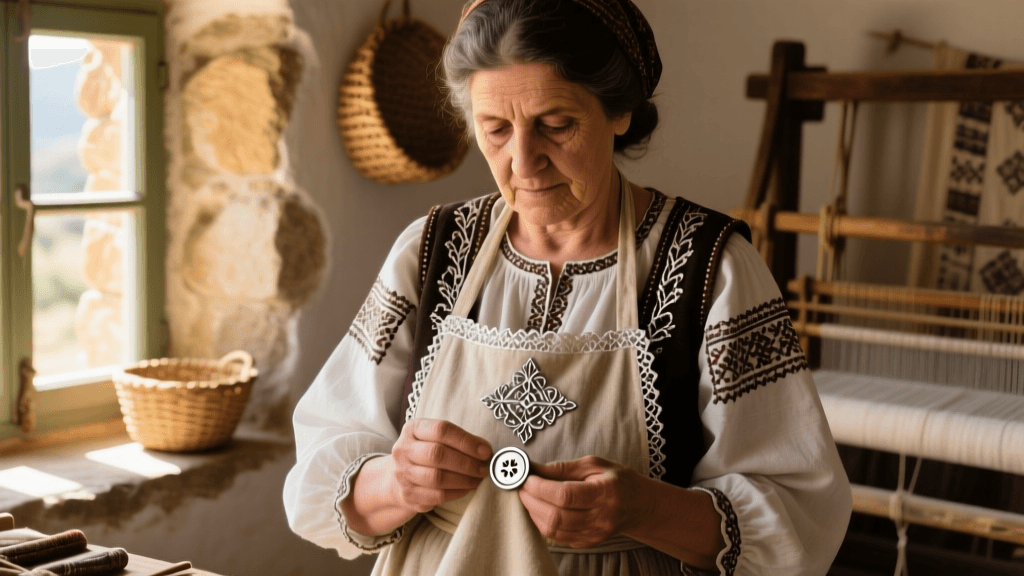
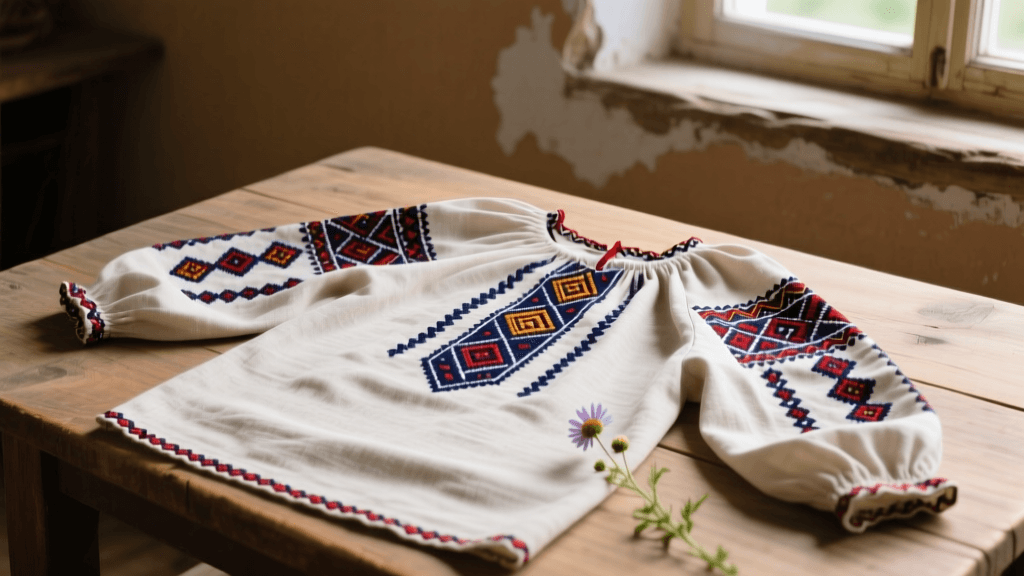
The Vyshyvanka is far more than a decorative shirt; it is a wearable talisman, historically designed to protect the wearer from evil spirits and misfortune. The embroidery is strategically placed on the neckline, cuffs, and hem—areas where the body is most vulnerable. In 2026, authentic artisans continue to use regional techniques that have been passed down for generations, with each village or province boasting distinct motifs and color palettes.
Key Regional Variations
- Poltava Region: Famous for its ethereal 'white-on-white' embroidery (broderie anglaise and cutwork). The subtle interplay of light and shadow on natural linen is a hallmark of high-end Poltava craftsmanship.
- Hutsul Region (Carpathian Mountains):strong> Characterized by dense, vibrant geometric patterns. Artisans often incorporate seed beads, metallic threads, and cross-stitch techniques to create bold, kaleidoscopic designs featuring red, black, and gold.
- Bukovyna: Known for heavy, rich embroidery that often incorporates wool and silk threads, featuring intricate floral motifs and smocking techniques that give the fabric a three-dimensional texture.
The Anatomy of the Romanian Ie
The traditional Romanian blouse, or Ie cu altiță, is a marvel of structural embroidery. Recognized for its profound cultural significance, the traditional skills of making the Ia with altița have been celebrated globally, with ongoing efforts to preserve these techniques documented by institutions like the UNESCO Intangible Cultural Heritage lists. The garment is constructed from rectangular pieces of homespun linen or hemp, joined by delicate crocheted lace (cheiță), and features a highly specific embroidery layout.
The Three Pillars of the Ie
- Altița (The Shoulder): The most ornate section of the blouse, located on the upper shoulder. It traditionally features a dense, rectangular block of embroidery that historically indicated the wearer's social status and region.
- Increțul (The Gather): A decorative band of gathering or smocking just below the altița, often featuring geometric zig-zags or diamond motifs that symbolize the earth and agriculture.
- Râurii (The Rivers): Vertical bands of embroidery that flow down the sleeves from the increț to the cuffs, representing the flowing rivers of life and nature's abundance.
For those looking to view authentic historical examples that inform modern 2026 reproductions, the archives at the National Museum of the Romanian Peasant remain the gold standard for pattern accuracy and historical context.
2026 Sourcing Guide: Authentic vs. Mass-Produced
As the market for heritage garments expands, distinguishing between a true artisan-made Vyshyvanka or Ie and a factory-made costume piece is critical. In 2026, fair-trade cooperatives and verified artisan guilds have implemented digital provenance tags, but a trained eye can still spot the differences in fabric, stitch tension, and finishing.
| Feature | Authentic Artisan Blouse (2026) | Mass-Market Commercial Blouse |
|---|---|---|
| Base Fabric | 100% hand-woven linen, hemp, or raw silk. Slubby texture, natural imperfections. | Polyester blends, rayon, or chemically treated cotton. Uniform, synthetic sheen. |
| Embroidery Technique | Hand-stitched (cross-stitch, satin stitch, drawn-thread). Reverse side is nearly as neat as the front. | Machine-embroidered. Backing features loose threads, jump stitches, and synthetic stabilizers. |
| Construction | Flat-felled seams, hand-crocheted lace inserts (cheiță), wooden or fabric buttons. | Serged seams, printed lace patterns, plastic buttons or cheap metal zippers. |
| Production Time | 40 to 120+ hours of handwork per garment. | Minutes per garment on automated multi-head embroidery machines. |
| 2026 Price Range | $180 – $650+ (depending on region and complexity) | $35 – $85 |
Where to Buy Authentic Folk Blouses
In 2026, the best way to support the continuation of these ancient crafts is to buy directly from artisan cooperatives or verified heritage platforms. Look for sellers who provide the name of the embroiderer, the specific village of origin, and details about the thread composition. Organizations and museum shops affiliated with Eastern European cultural heritage ministries often curate verified collections. Furthermore, specialized textile conservation platforms and established ethnographic dealers offer authenticated vintage pieces from the early-to-mid 20th century, which are highly sought after by collectors. For general textile history and conservation standards, the Victoria and Albert Museum's textile archives offer excellent educational resources on identifying natural dyes and historical weaving techniques.
Styling Traditional Garments for Modern Wardrobes
The beauty of the Vyshyvanka and the Ie lies in their versatility. While traditionally worn with heavy wool skirts, woven sashes, and elaborate headpieces, the 2026 styling approach leans into 'quiet luxury' and minimalist contrasts, allowing the intricate embroidery to take center stage.
Daytime and Casual Styling
- The Contrast Approach: Pair a white-on-white Poltava Vyshyvanka with wide-leg, tailored charcoal linen trousers and leather loafers. The monochromatic base highlights the textural depth of the cutwork.
- Bohemian Edge: Tuck a vibrant Hutsul blouse into high-waisted, raw-hem vintage denim. Add a structured leather belt and minimalist gold hoop earrings to bridge the gap between folk heritage and contemporary street style.
- Layering: In cooler months, wear a lightweight hemp Ie under a sharply tailored, oversized wool blazer. Let the altița (shoulder embroidery) peek out from beneath the blazer's lapel for a subtle nod to tradition.
Evening and Formal Styling
For evening wear, opt for a Romanian Ie crafted from raw silk or fine batiste, featuring dark, moody embroidery (such as deep burgundy or navy on black). Tuck this into a flowing, floor-length satin midi skirt. The juxtaposition of the matte, textured embroidery against the liquid sheen of modern satin creates a breathtaking, red-carpet-ready silhouette that honors Eastern European roots while feeling entirely avant-garde.
Care and Preservation of Hand-Embroidered Heritage
Authentic folk blouses are investment pieces and family heirlooms. The natural fibers and traditional dyes require specific care to ensure they survive for generations. Improper washing can cause natural dyes to bleed or the linen to warp, ruining the tension of the embroidery.
Washing Instructions
- Never Machine Wash: The agitation will destroy hand-crocheted lace inserts and distort the base fabric. Always hand wash in cool or lukewarm water (never exceeding 30°C / 86°F).
- Use pH-Neutral Detergent: Avoid harsh enzymes, bleach, or optical brighteners. Use a specialized detergent for delicate natural fibers or baby shampoo.
- The Soak: Submerge the garment gently and let it soak for no more than 10 minutes. Do not rub or wring the embroidered areas, as this will fray the threads.
- Rinsing: Rinse thoroughly in cool water until the water runs completely clear. Press the water out gently by rolling the blouse in a clean, dry cotton towel.
Drying and Storage
Never hang a wet embroidered blouse, as the weight of the water will stretch the linen and distort the geometric patterns. Lay it flat on a drying rack, away from direct sunlight, which can fade natural plant dyes (like madder red or woad blue) over time. When ironing, always place a damp cotton pressing cloth over the embroidery and iron on the reverse side to prevent crushing the three-dimensional stitches. For long-term storage in 2026, abandon plastic garment bags, which trap moisture and cause yellowing. Instead, wrap your Vyshyvanka or Ie in acid-free tissue paper and store it in a breathable cotton pillowcase or archival textile box in a cool, dark, and dry environment.
Conclusion
Investing in an authentic Ukrainian Vyshyvanka or Romanian Ie in 2026 is an act of cultural preservation and a commitment to sustainable, slow fashion. By understanding the regional nuances, demanding ethical sourcing, and properly caring for these garments, you become a custodian of Eastern European heritage. Whether worn as a statement piece at a modern gala or cherished as an archival textile, these blouses remain a testament to the enduring power of the human hand and the stories woven into every stitch.