Ojibwe Jingle Dress Regalia: 2026 Sourcing & Crafting Guide
The Healing Legacy of the Ziibaaska'igan
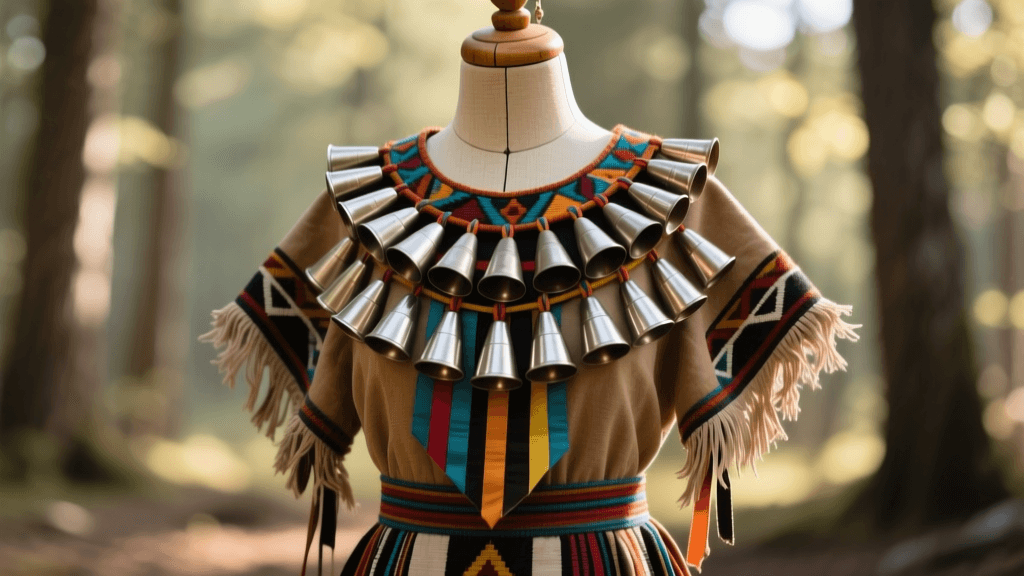
The Ojibwe Jingle Dress, known in the Ojibwe language as the Ziibaaska'igan, is far more than a beautiful garment; it is a profound spiritual vessel and a living testament to Indigenous resilience, healing, and prayer. Originating in the early 20th century during a time of widespread illness, the dress was revealed in a dream as a healing garment. Today, the Jingle Dress dance is a staple at powwows across North America, celebrated for its distinctive, rain-like sound that is believed to carry prayers to the Creator. As we navigate the 2026 powwow season, the demand for authentic, high-quality regalia materials continues to grow, driven by a new generation of dancers who are deeply committed to honoring traditional craftsmanship while embracing sustainable, modern sourcing methods.
Creating a Jingle Dress is a labor of love that requires hundreds of hours of meticulous sewing, beadwork, and ribbon appliqué. Whether you are an experienced regalia maker preparing for the 2026 Gathering of Nations in Albuquerque or a community elder teaching the next generation of seamstresses, understanding the nuances of material sourcing is critical. The weight, sound, and durability of your materials will directly impact the dancer's experience and the spiritual resonance of the garment.
Anatomy of the 2026 Jingle Dress
Base Fabrics and Yardage
The foundation of a traditional Jingle Dress is typically made from cotton calico or wool broadcloth. In 2026, there is a strong movement among Native artisans to source organic, sustainably dyed cottons and ethically produced wool blends. A standard adult Jingle Dress requires between five to eight yards of base fabric, depending on the dancer's height, the desired fullness of the skirt, and the inclusion of tiered ruffles. Calico remains the most popular choice for its breathability during hot summer powwows, while broadcloth is favored for its rich drape and durability in cooler, Northern Plains climates.
Ribbon Work and Appliqué
Ribbon work is a hallmark of Woodlands and Plains Indigenous textile arts. For the Jingle Dress, satin and cotton ribbons are used to create intricate geometric patterns along the hem, yoke, and sleeves. Contemporary makers in 2026 are increasingly utilizing upcycled vintage trade blankets and repurposed wool for yoke accents, blending historical aesthetics with modern eco-conscious practices. When sourcing ribbons, it is vital to purchase colorfast, high-quality satin that will not bleed when exposed to sweat or unexpected summer rainstorms.
Sourcing Authentic Metal Jingles in 2026
The most critical component of the dress is the jingles themselves. Historically crafted from the rolled lids of snuff cans, today's jingles are manufactured from various metals, each offering a unique acoustic profile and weight. A standard adult dress requires between 400 and 800 jingles, usually purchased by the gross (144 pieces). When sourcing jingles, it is paramount to support Native-owned businesses and verified Indigenous artisans. The Indian Arts and Crafts Board provides excellent resources and directories to ensure you are purchasing authentic Native-made goods, protecting both the cultural heritage and the economic sovereignty of Indigenous creators.
| Material Type | 2026 Avg Cost (per gross) | Acoustic Profile | Weight per Gross | Durability & Care |
|---|---|---|---|---|
| Hand-Rolled Tin | $65.00 - $85.00 | Deep, resonant, rain-like | 1.2 lbs | High; requires moisture control to prevent oxidation |
| Machine-Stamped Brass | $110.00 - $145.00 | Bright, crisp, high-carrying | 1.8 lbs | Very High; resistant to rust, occasional polishing needed |
| Anodized Aluminum | $30.00 - $45.00 | Light, breezy, higher pitch | 0.6 lbs | Medium; lightweight but prone to denting upon impact |
For traditionalists, hand-rolled tin remains the gold standard. The deep, resonant sound of tin jingles striking one another is widely considered the most authentic and spiritually pleasing. However, tin requires careful maintenance. Brass is an excellent alternative for dancers who travel extensively on the 2026 powwow circuit, as it resists rust and offers a brilliant, crisp sound that cuts through the noise of large arena competitions. Aluminum is generally reserved for children's regalia or practice dresses due to its lightweight nature, though it lacks the acoustic depth prized by traditional judges.
Construction Techniques and Spacing
Attaching hundreds of metal cones to a fabric base requires specialized sewing techniques. The weight of 800 brass jingles can exceed 15 pounds, which can easily tear standard cotton if not properly reinforced. Experienced makers recommend backing the primary fabric with a lightweight canvas or heavy muslin to distribute the weight evenly. When sewing the jingles, use a heavy-duty upholstery thread and a leather needle to pierce through the metal loops and multiple layers of fabric without snapping the thread.
Spacing is both an aesthetic and acoustic consideration. Jingles are typically arranged in horizontal rows, spaced about one to two inches apart. If placed too closely, the jingles will tangle and muffle the sound; if placed too far apart, the dress will lack the iconic, continuous rain-like melody during the dance. Many makers use a chalk grid to map out the exact placement of each jingle before a single stitch is made, ensuring perfect symmetry and optimal sound resonance. The National Endowment for the Arts frequently highlights master regalia makers through their National Heritage Fellowships, and studying the techniques of these recognized masters can provide invaluable insight into advanced spacing and appliqué methods.
Caring for Regalia on the 2026 Powwow Circuit
The 2026 powwow season will see dancers traveling across vastly different climates, from the dry, high-altitude heat of the Southwest to the humid, unpredictable summers of the Great Lakes region. Proper care of your regalia is essential to preserve its beauty and acoustic integrity. Tin jingles are particularly susceptible to oxidation and rust when exposed to high humidity or sweat. To combat this, store your dress in a breathable cotton garment bag rather than plastic, and include several silica gel desiccant packets to absorb excess moisture during transit.
After every powwow, lay the dress flat in a shaded, well-ventilated area to air out. Never leave a Jingle Dress in direct sunlight or inside a hot vehicle, as this can fade the vibrant calico and weaken the sewing threads. For brass jingles, a gentle wipe-down with a soft microfiber cloth and a natural, non-abrasive brass cleaner will keep them shining brightly throughout the season. Avoid harsh chemical polishes, as they can degrade the metal over time and leave residues that stain the surrounding fabric.
Honoring Protocol and Supporting Native Artisans
As you source materials and craft your regalia, it is vital to remember the cultural protocols surrounding the Jingle Dress. The garment is sacred, and the jingles are often viewed as individual prayers or representations of community members who need healing. When purchasing materials, prioritize vendors who are verified by institutions like the Smithsonian National Museum of the American Indian or local tribal arts cooperatives. Supporting Indigenous supply chains ensures that the economic benefits of the powwow economy remain within Native communities.
Furthermore, respect the protocol of the dance circle. A Jingle Dress should never be touched by anyone other than the dancer or their designated helpers. If you are making a dress for someone else, approach the process with a good heart, as the energy and intentions you hold while sewing are believed to be woven directly into the fabric and the metal. As the 2026 powwow season unfolds, the sight and sound of the Jingle Dress will continue to offer healing, hope, and a powerful reminder of Indigenous survival and grace.