Oaxacan Huipil Textiles: 2026 Authentic Buyer Guide
The Enduring Legacy of the Oaxacan Huipil
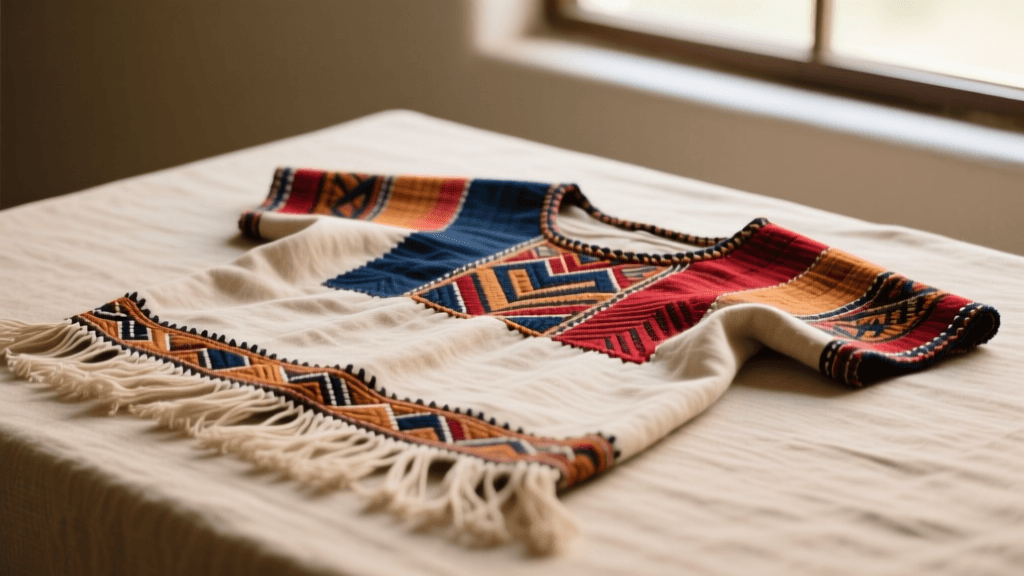
The traditional Oaxacan huipil is far more than a simple tunic; it is a wearable codex that chronicles the history, cosmology, and daily life of the Zapotec and Mixtec peoples of southern Mexico. As we navigate the global artisan textile market in 2026, the demand for authentic Latin American traditional garments has reached unprecedented levels. Collectors, slow-fashion advocates, and cultural preservationists are increasingly seeking out handwoven pieces that honor indigenous techniques. However, this surge in popularity has also triggered a wave of mass-produced, machine-loomed imitations that flood tourist markets and online platforms. For the discerning buyer in 2026, understanding the anatomy, materials, and ethical pricing of a genuine huipil is essential.
The very structure of the garment is deeply symbolic. A traditional huipil is typically constructed from three separate webs of cloth, representing the Mesoamerican cosmological view of the universe: the underworld, the earthly plane, and the heavens. The central panel often features the most intricate motifs, serving as a protective shield for the wearer's heart and soul. When a woman slips a huipil over her head, she symbolically places herself at the center of the universe, embodying the sacred axis mundi. This spiritual dimension elevates the huipil from mere clothing to a vital component of indigenous identity and resistance.
Materials and the Renaissance of Natural Dyes
Authentic Oaxacan textile arts are defined by their profound connection to the local environment. In 2026, master weavers continue to rely on native cotton varieties and botanical dyes that have been cultivated for millennia.
Coyuche and Native Cottons
While commercial white cotton is widely available, traditionalists prize Coyuche, a native brown cotton grown in the coastal and mountainous regions of Oaxaca. Coyuche fibers are shorter and require meticulous hand-spinning using a malacate (drop spindle). The resulting yarn possesses a natural, earthy tone and a slightly textured hand-feel that synthetic or commercial cotton simply cannot replicate.
Cochineal, Indigo, and Botanical Pigments
The vibrant reds and purples found in premium huipiles are derived from cochineal (Dactylopius coccus), a scale insect that lives on native nopal cacti. Producing a single kilogram of dried cochineal requires tens of thousands of insects, making it one of the most expensive natural dyes in the world. In 2026, ethically sourced cochineal dye commands premium prices, which is directly reflected in the cost of deeply saturated garments. Indigo (añil) is fermented in clay pots to yield rich blues, while marigold (cempasúchil) and pecan shells provide warm yellows and deep browns.
2026 Market Guide: Pricing and Authenticity
Determining the fair market value of a huipil requires an understanding of the labor involved. A traditional backstrap loom weaver may spend anywhere from one to eight months creating a single garment, depending on the complexity of the supplementary weft (brocade) patterns. Below is a comprehensive pricing guide for 2026, reflecting fair-trade compensation for artisan cooperatives.
| Huipil Classification | Primary Region | Weave Time | 2026 Fair Trade Price (USD) | Best Use Case |
|---|---|---|---|---|
| Everyday (Huipil de Diario) | Mixteca / Central Valleys | 1 - 2 Months | $120 - $180 | Casual wear, layering, daily use |
| Semi-Formal (Huipil de Fiesta) | Sierra Norte | 3 - 4 Months | $250 - $450 | Dinners, cultural events, gallery openings |
| Ceremonial (Huipil de Boda) | Isthmus of Tehuantepec | 5 - 8 Months | $600 - $1,500+ | Weddings, galas, heirloom collecting |
Note: Prices below the ranges indicated above, particularly for garments claiming to feature natural dyes and hand-spun cotton, should be viewed with extreme skepticism. Underpaying not only indicates a likely machine-made counterfeit but also perpetuates exploitative supply chains.
Step-by-Step: How to Verify an Authentic Handwoven Huipil
When shopping for Latin American traditional garments in 2026, whether in the markets of Oaxaca City or through online fair-trade boutiques, use these actionable verification steps to ensure authenticity.
1. Examine the Selvedge and Seams
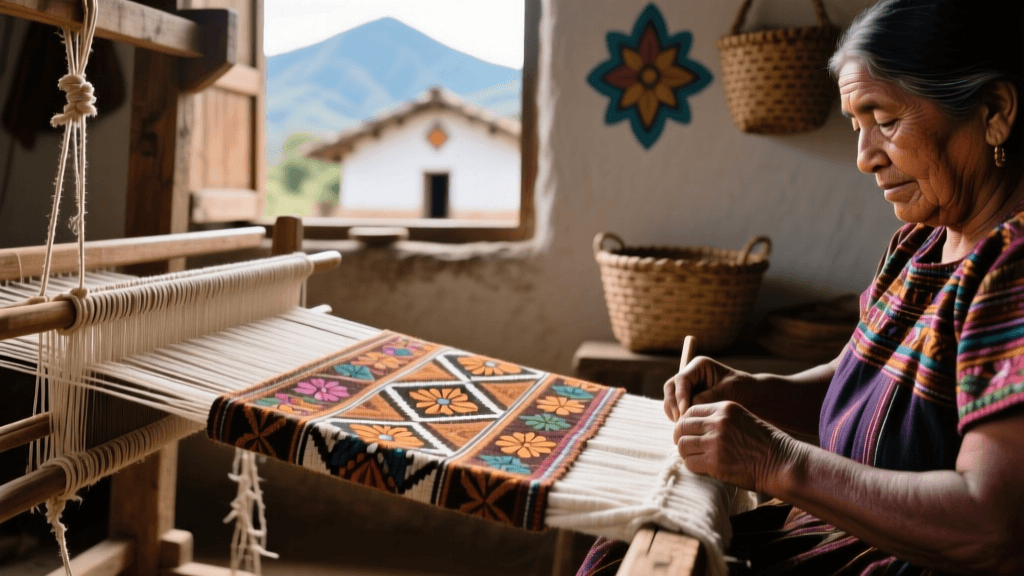
A true backstrap loom produces fabric with finished edges (selvedges) on both sides. The weaver's body provides the tension, meaning the width of the fabric is limited by the reach of her arms—typically around 20 to 24 inches per panel. A standard huipil is constructed by stitching three of these panels together. If you see a garment made from a single, wide continuous piece of fabric (over 50 inches wide), it was woven on a mechanical pedal loom or a power loom, not a traditional backstrap loom.
2. Analyze the Brocade (Supplementary Weft)
Authentic Oaxacan designs are not embroidered onto the surface of the fabric; they are woven directly into the cloth using a supplementary weft technique. Turn the huipil inside out. If the pattern is visible and structurally integrated on the reverse side (often appearing as a mirror image or with floating threads), it is handwoven. If the reverse side shows a messy backing or the pattern is entirely absent, it is likely machine-embroidered or screen-printed.
3. The Scent and Feel of Natural Dyes
Garments dyed with cochineal or indigo possess a distinct, earthy aroma, especially when slightly dampened. Synthetic aniline dyes, conversely, often carry a faint chemical or metallic scent. Furthermore, hand-spun Coyuche cotton will feel slightly uneven and nubby to the touch, whereas commercial cotton is uniformly smooth.
Ethical Sourcing: Where to Buy in 2026
Supporting indigenous artisans requires purchasing through channels that guarantee fair wages and cultural preservation. In 2026, the most reliable method is to buy directly from established cooperatives or institutions dedicated to textile heritage.
- Museo Textil de Oaxaca (MTO): The museum's boutique and affiliated official programs offer rigorously vetted garments. Purchasing here ensures that master weavers receive direct, equitable compensation and that the materials used are culturally and environmentally sustainable.
- Certified Fair-Trade Cooperatives: Look for organizations aligned with global ethical standards. Groups verified by entities like Nest Global ensure transparency in the artisan supply chain, guaranteeing that the women weaving these textiles retain ownership of their cultural intellectual property and receive living wages.
- Direct Community Initiatives: Collectives such as the Mujeres Artesanas de las Comunidades de Oaxaca operate direct-to-consumer models that eliminate middlemen, allowing buyers in 2026 to invest directly into the economic sovereignty of Zapotec and Mixtec villages.
Care and Maintenance for Artisan Textiles
A genuine huipil is an investment piece and a cultural artifact. Proper care is vital to preserve the integrity of natural dyes and hand-spun fibers.
- Washing: Never machine wash a handwoven huipil. Hand wash gently in cold water using a pH-neutral, artisan-safe soap (such as baby shampoo or specialized wool/cotton wash). Do not rub the fabric aggressively; instead, let it soak for 10 to 15 minutes.
- Drying: Never wring out the garment, as this can warp the tension of the handwoven threads. Roll the huipil in a clean, dry towel to press out excess moisture, then lay it flat to dry in a shaded, well-ventilated area. Direct sunlight will rapidly fade cochineal and indigo pigments.
- Ironing: If the garment becomes wrinkled, avoid using a standard hot iron directly on the fabric, especially over the raised brocade motifs. Instead, use a garment steamer held a few inches away from the cloth, or place a damp pressing cloth between a low-heat iron and the huipil. This prevents the hand-spun fibers from becoming scorched or flattened, preserving the three-dimensional texture of the supplementary weft patterns.
- Storage: Store the garment flat or gently rolled in acid-free tissue paper inside a cedar chest or breathable cotton bag. Avoid wire hangers, which can stretch the shoulder seams and distort the three-panel structure over time.
Conclusion
The Oaxacan huipil remains one of the most profound expressions of Latin American traditional garment artistry. As the textile landscape evolves in 2026, the responsibility falls on the consumer to prioritize authenticity, ethical compensation, and cultural respect over fast-fashion convenience. By understanding the intricate backstrap weaving techniques, the chemistry of natural dyes, and the true cost of indigenous labor, you can build a collection that honors the ancestral wisdom of Oaxaca's master weavers.