Norwegian Bunad Guide 2026: Regional Styles & Sourcing
The Resurgence of Authentic Regional Bunads in 2026
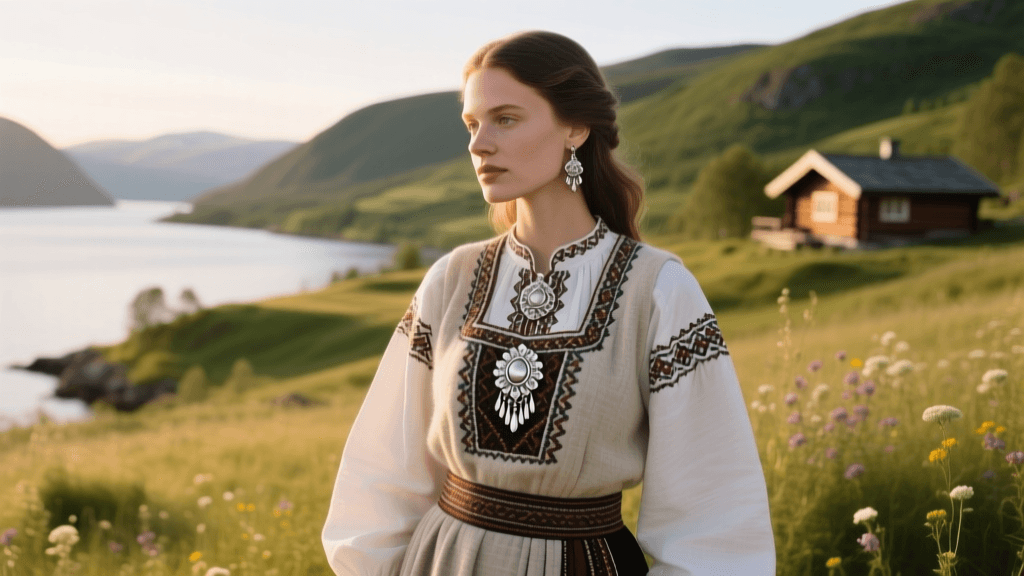
In 2026, the European folk dress revival has reached unprecedented heights, with the Norwegian bunad standing at the forefront of this cultural renaissance. Far from being a static museum relic, the bunad is a living, breathing garment worn by tens of thousands of Norwegians for weddings, national holidays (Syttende Mai), and milestone celebrations. However, as global interest in heritage textiles grows, distinguishing between mass-produced tourist costumes and authentic, regionally accurate folk dress has never been more critical. This comprehensive guide explores the intricate regional variations of the Norwegian bunad, provides actionable sourcing advice for the current market, and details the exact measurements and material requirements needed to commission a genuine piece of Scandinavian heritage.
Bunad vs. Folkedrakt: Understanding the Terminology
Before investing in a traditional garment, it is vital to understand the distinction between a bunad and a folkedrakt. According to the Norsk Folkedraktforum (The Norwegian Folk Costume Forum), a folkedrakt refers to the original, historical rural clothing worn by Norwegian peasants from the 17th to the 19th centuries, which evolved organically within isolated valleys. A bunad, conversely, is a modern reconstruction or revival of these historical garments, standardized in the 20th century to represent specific regions. While a folkedrakt is a historical artifact, a bunad is a contemporary ceremonial dress bound by strict regional committees that dictate acceptable fabrics, embroidery patterns, and silver jewelry. In 2026, the push for historical accuracy means that authorized producers are increasingly rejecting synthetic blends in favor of locally spun, heritage-breed Norwegian wool.
Top Regional Variations: A 2026 Buyer’s Comparison
With over 450 registered regional variations, choosing a bunad can be overwhelming. Traditionally, Norwegians select a bunad based on their ancestral homeland or their current place of residence. Below is a comparative breakdown of four of the most prominent and highly sought-after regional styles, including 2026 market pricing and artisan lead times.
| Region | Base Fabric & Colors | Key Embroidery & Features | 2026 Est. Price (USD) | Artisan Lead Time |
|---|---|---|---|---|
| Hardanger | Black, blue, or green wool; white linen shirt | Whitework embroidery (hvitsaum), smocking, velvet bands | $3,800 - $4,500 | 8 - 12 Months |
| Telemark | Deep blue or black wool with rich silk linings | Elaborate floral wool embroidery (rosesaum), intricate cutwork | $4,500 - $6,200 | 12 - 18 Months |
| Hallingdal | Dark blue or black wool, vibrant red and green accents | Geometric cross-stitch, heavy velvet trim, striking color contrasts | $3,500 - $4,200 | 6 - 10 Months |
| Nordland | Blue wool (women) / Blue or grey wool (men) | Simpler floral embroidery, silk apron, inspired by 18th-century coverlets | $2,900 - $3,600 | 4 - 8 Months |
The Sourcing Process: How to Commission Your Bunad
Authentic bunads are not bought off the rack; they are commissioned, measured, and tailored to the individual. The gold standard for sourcing authentic materials and tailoring in 2026 remains the Husfliden (The Norwegian Home Crafts Association), a network of local craft guilds and authorized retailers dedicated to preserving traditional techniques. When commissioning a bunad, expect a rigorous measurement and fitting process.
Essential Measurements for Custom Tailoring
If you are ordering from a Husfliden affiliate or an independent master tailor remotely in 2026, you must provide precise measurements. Do not attempt to guess these; hire a professional tailor to take them. The required metrics include:
- Bust/Chest: Measured at the fullest point, ensuring the tape is level across the shoulder blades.
- Waist: Measured at the natural indentation, typically just above the navel, where the heavy wool skirt will sit.
- Hips: Measured at the widest point to ensure the pleated wool skirt drapes correctly without pulling.
- Back Length: From the prominent vertebra at the base of the neck down to the natural waist.
- Skirt Length: From the natural waist down to the middle of the kneecap (traditional bunad skirts must never touch the floor; they are designed for active movement and dancing).
- Arm Length & Shoulder Width: Critical for the fitted wool bodice (liv) and the placement of the silver cufflinks on the linen shirt.
Traditional Silver (Sølv): The Crown Jewel of the Costume
No bunad is complete without its region-specific silver jewelry, known as sølje. Historically, silver was a display of a family's wealth and was often passed down through generations. In 2026, with the global price of raw silver fluctuating, the silver components can account for 20% to 35% of the total costume cost. A complete set for a woman's bunad typically includes a neck brooch (halsknapp), a chest brooch (brystknapp or sølje), cufflinks (mansjettknapper), a belt buckle, and decorative shoe buckles.
Crucially, the finish of the silver is dictated by regional rules. For example, the Hardanger bunad traditionally requires oxidized (blackened) silver to contrast sharply with the white linen and dark wool. In contrast, the Telemark and Nordland bunads often utilize polished, bright silver with dangling filigree elements that catch the light during the traditional springar dance. Always consult the Norwegian Museum of Cultural History archives or your local Husfliden consultant to verify the exact silver requirements for your specific valley's design.
Sustainable Textiles and 2026 Artisan Waitlists
The most significant shift in the European folk dress market in 2026 is the intense focus on textile provenance. Mass-market imports utilizing machine-embroidered polyester blends are heavily frowned upon and easily identifiable by heritage enthusiasts. Authentic bunads require klede, a tightly woven, heavily fulled wool fabric that is virtually windproof and water-resistant.
Due to the resurgence of interest in sustainable, slow-fashion heritage garments, the few remaining Norwegian mills capable of producing traditional klede and hand-woven linen are operating at maximum capacity. Buyers commissioning a Telemark or Hardanger bunad in early 2026 should anticipate waitlists of up to 18 months. This delay is primarily due to the hand-embroidery process; a single Telemark bodice can require over 300 hours of meticulous floral wool embroidery (rosesaum) completed by certified artisans. Plan your commission well in advance of any major life events, such as weddings or milestone anniversaries.
Care, Storage, and Preservation
An authentic bunad is a lifetime investment, often costing as much as a used vehicle, and is designed to be passed down to future generations. Proper care is non-negotiable. The heavy wool and delicate silk linings should never be subjected to standard dry cleaning chemicals, which can strip the natural lanolin from the wool and fade the vegetable-dyed embroidery threads.
Actionable Maintenance Steps
- Airing Out: After wear, hang the bunad in a well-ventilated, shaded outdoor area for 24 hours to allow natural odors and moisture to dissipate. Wool is naturally antimicrobial and rarely requires washing.
- Spot Cleaning: Use a damp cloth with cold water and a pH-neutral wool detergent for minor stains. Never rub the embroidered areas, as this can cause the wool threads to felt and blur.
- Silver Care: Remove all silver jewelry before storing. Store silver in anti-tarnish cloth bags. If polishing is required, use a specialized silver dip for polished pieces, but avoid chemical dips on oxidized silver, as it will strip the intentional blackened patina from the crevices.
- Long-Term Storage: Never store a bunad in plastic, which traps moisture and promotes mold. Instead, wrap the garment in unbleached, acid-free cotton muslin. Store it flat in a cedar-lined chest or a dark, climate-controlled closet to prevent UV fading of the vibrant silk and wool threads.
'The bunad is not merely a costume; it is a wearable archive of our ancestors' craftsmanship. When you wear a properly sourced, regionally accurate bunad, you are carrying the history of your specific valley on your shoulders.' — Curator of Textiles, Norwegian Museum of Cultural History
By prioritizing authentic materials, respecting regional committees' guidelines, and supporting local artisans, you ensure that the rich tapestry of Norwegian folk dress continues to thrive in 2026 and beyond. Whether you choose the striking whitework of Hardanger or the lush floral embroidery of Telemark, your bunad will serve as a profound, beautiful connection to Europe's enduring textile heritage.