Maya Huipil Buying Guide 2026: Authentic Weaving Art
The Enduring Legacy of the Maya Huipil in 2026
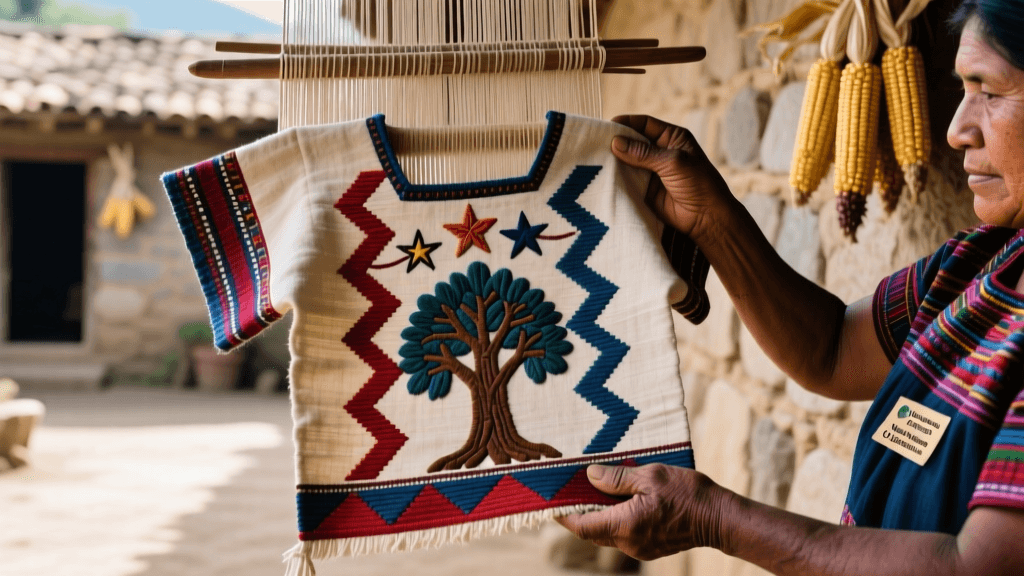
The huipil (pronounced wee-peel) is far more than a simple tunic; it is a deeply personal, wearable manuscript of Maya cosmology, community identity, and ancestral memory. Across the highlands of Guatemala and southern Mexico, Indigenous women have woven these garments for centuries using the backstrap loom. As we navigate the global fashion landscape in 2026, the huipil stands at a critical intersection. On one hand, the slow fashion movement has sparked an unprecedented appreciation for artisanal, handcrafted textiles. On the other, the proliferation of mass-produced, machine-embroidered imitations threatens the livelihoods of traditional weavers and dilutes the cultural significance of the garment.
For collectors, cultural enthusiasts, and ethical fashion advocates, understanding the nuances of the authentic Maya huipil is essential. This comprehensive 2026 guide will walk you through the mechanics of the backstrap loom, help you decode regional symbolism, and provide actionable advice on how to ethically source, price, and care for these masterpieces of Latin American textile art.
The Backstrap Loom: A Masterclass in Tension and Time
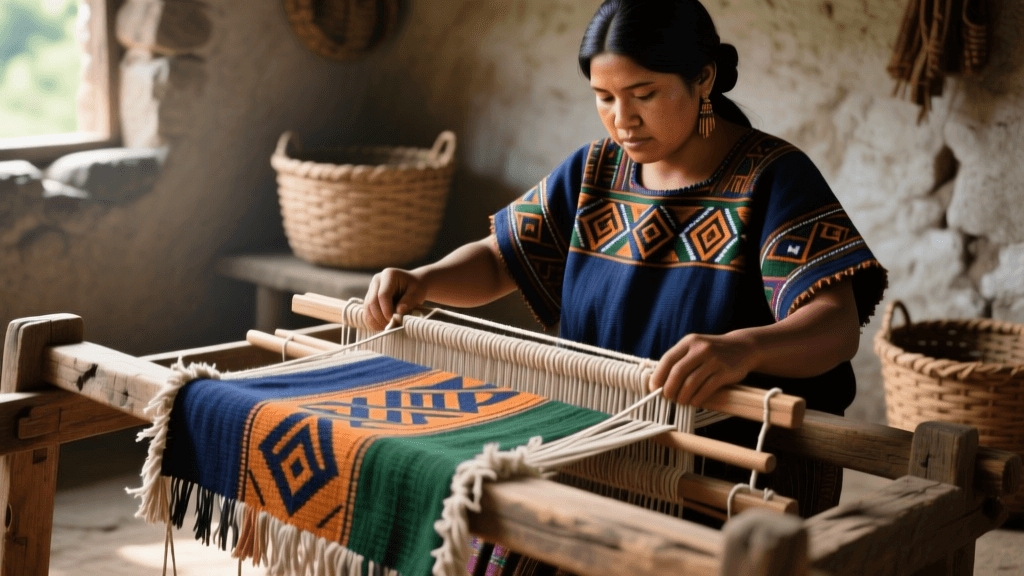
Unlike the rigid, floor-standing treadle looms introduced by the Spanish, the pre-Columbian backstrap loom (telar de cintura) is an extension of the weaver’s own body. One end of the loom is tied to a sturdy post or tree, while the other is secured around the weaver’s lower back via a woven strap. By leaning forward or backward, the weaver controls the exact tension of the warp threads. This intimate physical connection allows for an extraordinary degree of precision and complex pattern manipulation.
In 2026, while synthetic threads and commercial dyes are available in local markets, the most prized huipils are still woven using hand-spun cotton or high-grade mercerized cotton, dyed with natural pigments like indigo, cochineal, and marigold. The most intricate technique utilized is brocado (brocade), where supplementary weft threads are woven directly into the fabric to create raised, double-sided geometric or figurative patterns. A single, heavily brocaded ceremonial huipil can take anywhere from three to eight months of continuous, daily weaving to complete.
Decoding the Symbols: Regional Variations
An authentic huipil serves as a geographic and social identifier. The motifs, color palettes, and structural layouts are specific to the weaver’s village, and often indicate her marital status, age, or the specific occasion for which the garment was made. According to extensive archival research documented by institutions like the Textile Museum of Canada, preserving these distinct regional vocabularies is vital for maintaining Indigenous cultural sovereignty.
| Village / Region | Primary Color Palette | Distinctive Motifs & Symbols | Average Weave Time (2026) |
|---|---|---|---|
| Nebaj (Ixil Triangle) | Vibrant Reds, Purples, Yellows | Geometric humans, horses, quetzal birds, and diamond-shaped universe symbols. | 4 to 6 months |
| San Juan La Laguna | Earth Tones, Indigo, Sage | Stylized flora, double-headed eagles, and intricate geometric borders. | 2 to 4 months |
| Chichicastenango | Deep Reds, Magentas, Black | Sun motifs, zoomorphic figures, and elaborate floral collars around the neckline. | 3 to 5 months |
| San Antonio Aguas Caliente | Blues, Greens, Pinks | Fine, single-faced European-influenced floral brocades and bird motifs. | 5 to 7 months |
How to Spot an Authentic Handwoven Huipil
The market is currently flooded with machine-made replicas that mimic Indigenous patterns. When shopping in 2026, whether online or in Latin American markets, use these critical markers to verify authenticity:
- Examine the Selvedge Edges: A true backstrap-woven textile will have perfectly finished, tightly woven selvedge edges on the sides. Machine-woven fabrics will have raw edges that are cut and sewn, or they will feature a serged overlock stitch.
- Look for the "Pepita" or Imperfections: Handwoven cotton has a distinct, slightly irregular texture. You should be able to see minor variations in the tension and the thickness of the yarn. If the fabric is perfectly uniform, it was likely power-loomed.
- Check the Brocade Backing: Turn the garment inside out. In high-quality traditional brocade, the pattern should be nearly as vibrant and clean on the reverse side as it is on the front. Machine embroidery will show messy, chaotic threads and white bobbin backing on the inside.
- Assess the Weight and Drape: Authentic huipils are heavy. The dense packing of the weft threads creates a sturdy, almost canvas-like fabric that drapes beautifully and is highly durable. Machine-woven imitations feel thin, flimsy, and lightweight.
2026 Pricing Guide and Ethical Sourcing
One of the most pressing issues in Latin American textile arts is the fair compensation of artisans. Historically, middlemen have purchased huipils for pennies and sold them in Western boutiques for massive markups. Today, ethical sourcing requires buying directly from women's cooperatives or verified fair-trade organizations. The Smithsonian National Museum of the American Indian frequently highlights the importance of supporting these direct-trade networks to ensure the survival of Indigenous material culture.
When budgeting for an authentic huipil in 2026, expect the following price ranges when purchasing through ethical channels such as the Maya Traditions Foundation or local village cooperatives:
- Daily Wear Huipil (Cotón): $80 – $180 USD. These feature simpler brocade or supplementary weft patterns and are woven with durable commercial cotton.
- Ceremonial Huipil: $350 – $850+ USD. Woven with fine threads, featuring dense, complex double-sided brocade and natural dyes. These are investment pieces and wearable art.
- Vintage / Antique Huipils (Pre-1980): $500 – $2,500+ USD. Sourced from textile dealers, these pieces feature hand-spun cotton and natural dyes that are no longer commonly used. They are highly sought after by museums and serious collectors.
Warning: If you are offered a "brand new, heavily brocaded" huipil for under $40, it is either machine-made, or the artisan is being severely exploited. Always ask the seller about the weaver's compensation and the specific village of origin.
Care and Preservation of Handwoven Textiles
An authentic huipil is an investment that can last for generations if properly maintained. The dense cotton and intricate brocade threads require specialized care to prevent color bleeding and structural damage.
Washing Instructions
Never machine wash or dry clean a handwoven huipil. Dry cleaning chemicals can strip natural dyes and degrade hand-spun fibers. Instead, hand wash the garment in cold water using a pH-neutral detergent or mild baby shampoo. Submerge the textile gently and let it soak for no more than 10 minutes. Do not agitate, scrub, or wring the fabric, as this will distort the warp tension and cause the brocade threads to snag.
Drying and Storage
Rinse thoroughly in cold water until the water runs clear. Gently press the excess water out by rolling the huipil in a clean, dry, colorfast towel. Lay the garment completely flat on a drying rack in a shaded, well-ventilated area. Direct sunlight will rapidly fade both natural and commercial dyes. When storing, avoid wire hangers, which can stretch the heavy shoulder seams. Fold the huipil with acid-free tissue paper and store it in a cool, dry place away from direct light to preserve the integrity of the fibers for decades to come.
Conclusion: Wearing History with Respect
The Maya huipil is a testament to the resilience and brilliance of Indigenous women in the Americas. By educating yourself on the backstrap weaving process, learning to identify authentic craftsmanship, and committing to ethical purchasing practices in 2026, you do more than acquire a beautiful garment. You become an active participant in the preservation of a living, breathing cultural heritage, ensuring that the rhythmic clack of the wooden loom continues to echo through the highlands for generations to come.