Authentic Jamdani Sari Online Shopping: 2026 Weaver Guide
The 2026 Landscape of Jamdani E-Commerce
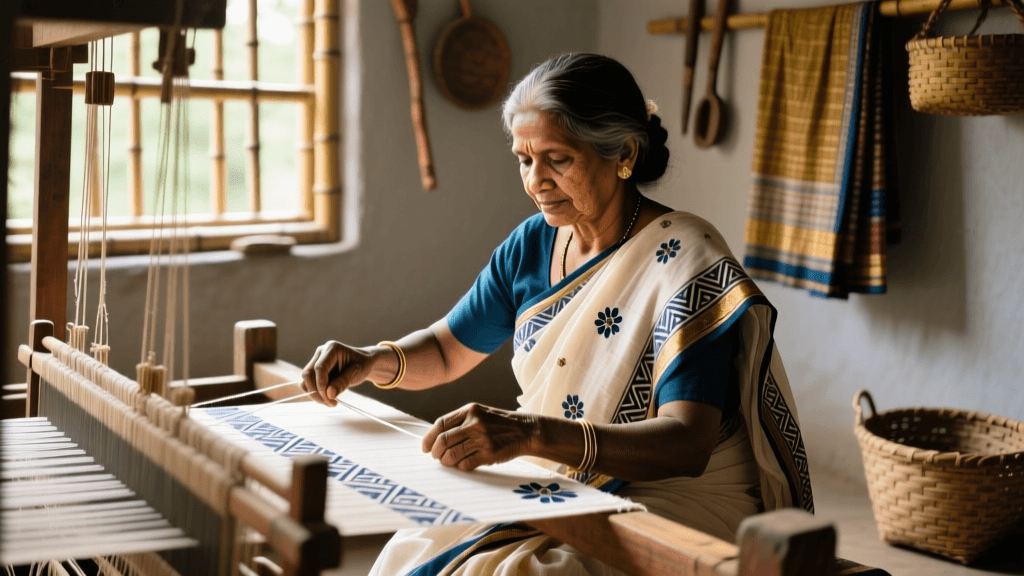
The Jamdani sari, a masterpiece of Bengali textile heritage, has long been a coveted garment for its intricate, labor-intensive discontinuous weft technique. Recognized by the UNESCO Intangible Cultural Heritage registry, this fine muslin-based fabric represents centuries of artisanal mastery. However, as global demand for traditional Asian garments surges in 2026, the online marketplace has become increasingly saturated with power-loom replicas masquerading as handwoven heirlooms. For the discerning buyer, navigating the digital landscape requires a strategic approach to ensure authenticity, guarantee fair compensation for artisans, and secure true textile excellence.
In 2026, the e-commerce landscape for South Asian traditional wear is bifurcated. On one side, massive fast-fashion aggregators offer incredibly low prices but lack supply chain transparency. On the other, a new wave of digital weaver cooperatives and fair-trade boutiques are leveraging blockchain technology and direct-to-consumer models to protect the Geographical Indication (GI) status of authentic Jamdani. Understanding the difference between these avenues is the first step in building an authentic traditional wardrobe.
Commercial Aggregators vs. Weaver Cooperatives
When shopping for a Jamdani sari online, the platform you choose dictates not only the quality of the garment but also the economic reality of the weavers in Dhaka and West Bengal. Below is a comparison of the primary online purchasing channels available in 2026.
| Platform Type | Authenticity Guarantee | Weaver Compensation | Price Range (USD) |
|---|---|---|---|
| Fast-Fashion Aggregators | Low (High risk of jacquard power-loom replicas) | Exploitative (Middlemen take 80%+ of margins) | $25 - $60 |
| Curated Boutique Marketplaces | Medium-High (Vetted sellers, but limited traceability) | Fair (Wholesale purchasing models) | $80 - $250 |
| Direct Weaver Cooperatives | Guaranteed (Blockchain GI tags, direct artisan profiles) | Excellent (Direct profit-sharing and community reinvestment) | $150 - $800+ |
As the table illustrates, purchasing directly from cooperatives or verified fair-trade organizations ensures that your investment supports the survival of the craft. Organizations like BRAC, which operates the renowned Aarong retail chain, have pioneered models that provide weavers with healthcare, fair wages, and direct market access, a standard that has become the benchmark for ethical garment shopping in 2026.
4 Steps to Verify Authentic Jamdani Online
Because you cannot physically touch the fabric when shopping online, you must rely on specific visual cues, seller documentation, and modern verification technology to confirm a sari is a genuine handwoven Jamdani.
1. The Reverse-Side Motif Test
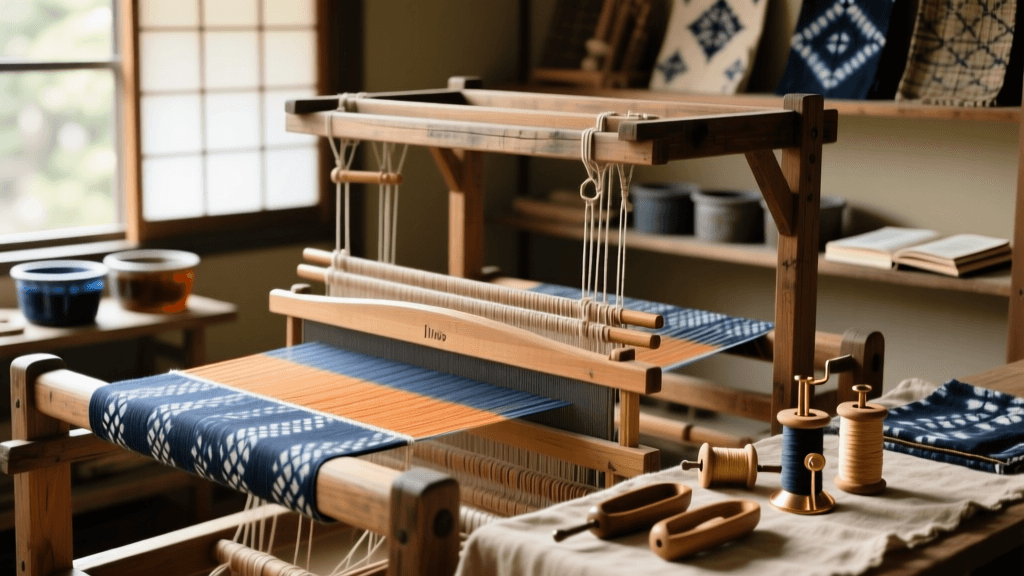
The defining characteristic of authentic Jamdani is the discontinuous weft technique. Unlike jacquard loom replicas or machine-embroidered fabrics, the intricate motifs of a true Jamdani are woven directly into the fabric using small, individual shuttles. When examining high-resolution photos provided by the seller, always request an image of the reverse side of the sari. On a genuine Jamdani, the back of the motif will show interlocking threads and floating wefts that mirror the front design, albeit with a slightly more textured, uneven appearance. If the reverse side shows a solid backing, glued threads, or the uniform, perfectly clean grid of a machine-embroidered patch, the garment is a replica.
2. Blockchain-Backed GI Tags
By 2026, the fight against counterfeit textiles has embraced Web3 technology. Authentic handwoven Jamdani saris from recognized cooperatives now frequently feature scannable NFC threads or QR-coded tags linked to a blockchain ledger. This digital Geographical Indication (GI) certificate provides an immutable record of the sari’s origin, the specific weaving village, and the artisan who spent anywhere from three to twelve months at the pit loom crafting the piece. Always ask the seller if the sari includes a digital GI certificate and verify the ledger entry before completing your purchase.
3. The Zari Burn Test Video Request
Many premium Jamdani saris incorporate zari (metallic thread) into their borders and pallus. Historically, zari was made from pure silver and gold, but modern authentic zari typically uses a copper core electroplated with silver and gold. Mass-produced replicas use synthetic polyester threads coated in metallic paint. When communicating with a seller via direct message, request a quick video of a burn test on a single frayed zari thread. Authentic metallic zari will leave behind a fine, powdery ash and emit a metallic scent, whereas synthetic zari will melt into a hard, plastic bead and smell like burning chemicals. Reputable 2026 marketplaces often have these verification videos pre-uploaded to the product listing.
4. Fabric Stiffness and Sizing Considerations
Authentic Jamdani is woven from high-quality cotton muslin. Because it is heavily sized (starched) during the weaving process to maintain tension on the loom, a brand-new handwoven Jamdani will feel surprisingly stiff, almost like canvas or thick paper, upon first delivery. It only achieves its signature ethereal drape and softness after the first professional wash. If an online listing describes the Jamdani as buttery soft right out of the package or features photos of the fabric clinging fluidly to a mannequin without prior washing, it is likely a power-loom cotton-polyester blend.
Top Trusted Platforms for 2026
To bypass the guesswork, focus your online shopping on platforms with established, transparent relationships with South Asian weaving communities.
- Aarong (by BRAC): The gold standard for Bangladeshi heritage crafts. Their online portal offers extensive documentation on their Jamdani weavers, complete with artisan biographies and fair-trade certification. Their premium Taaga collections are highly sought after for contemporary, yet authentic, Jamdani designs.
- Tantuj (West Bengal Handloom): Operated by the West Bengal State Handloom Weavers Cooperative Society, this platform is the most authoritative source for Indian Jamdani (particularly the Tangail and Dhaniakhali styles). Buying here guarantees government-backed GI authenticity and directly funds regional weaver welfare schemes.
- Aranya Crafts: A boutique fair-trade organization that specializes in natural dyes and heritage weaves. While their inventory is smaller and rotates seasonally, their Jamdani pieces are curated for the international market, often featuring modern color palettes achieved through traditional, eco-friendly dyeing methods.
- Dastkari Haat Samiti: This organization offers seasonal online exhibitions that connect international buyers directly with master weavers, providing an unparalleled level of provenance and storytelling that mass-market sites simply cannot replicate.
Pricing, Customs, and International Shipping
In 2026, the base price for a genuine, entry-level cotton Jamdani sari starts around $150 USD, while intricate, museum-quality pieces featuring real zari and complex butidar (all-over floral) patterns can easily exceed $1,200 USD. When ordering from South Asian cooperatives to North America or Europe, buyers must factor in international shipping and customs duties.
Most direct-to-consumer cooperatives now utilize DHL or FedEx express services, with shipping costs averaging $35 to $55 USD. Delivery typically takes 7 to 12 business days. However, be aware that textiles imported into the European Union and the United States may be subject to import duties ranging from 8% to 14%, depending on the declared value and the specific Harmonized System (HS) code for handwoven cotton garments. Always request that the cooperative provide a detailed commercial invoice that explicitly states Handwoven Cotton Textile - Artisan Craft to ensure smooth customs clearance and avoid misclassification as mass-produced synthetic apparel. Furthermore, many cooperatives now accept cryptocurrency and stablecoins, providing an alternative payment rail that bypasses traditional banking fees and ensures a higher percentage of the transaction reaches the artisan community.
Care and Storage for Handwoven Muslin
Once your authentic Jamdani arrives, proper care is essential to preserve the integrity of the hand-spun threads. Never machine wash a Jamdani sari. The aggressive agitation will snap the delicate weft threads and destroy the intricate motifs. For the first wash to remove the loom starch, seek a professional dry cleaner who specializes in heritage textiles. For subsequent cleaning, gentle hand-washing in cold water with a pH-neutral detergent is recommended.
When storing your Jamdani, avoid wire hangers or plastic garment bags, which can trap moisture and cause the metallic zari to tarnish or the cotton to mildew. Instead, fold the sari loosely with acid-free tissue paper to prevent hard creases, and store it in a breathable, unbleached muslin bag in a cool, dark environment. It is also highly recommended to refold the sari every three to four months. Leaving a handwoven garment folded in the exact same position for years will cause the fibers to weaken and eventually tear along the crease lines. Rotating the folds distributes the stress across the muslin, ensuring the structural longevity of the weave. By following these meticulous care instructions, your Jamdani sari will not only serve as a stunning garment for your wardrobe but will become a lasting heirloom that preserves the rich, living history of Asian textile traditions for generations to come.