2026 Guide to Buying Authentic Custom Hanbok Online
The Global Shift Toward Authentic Hanbok in 2026
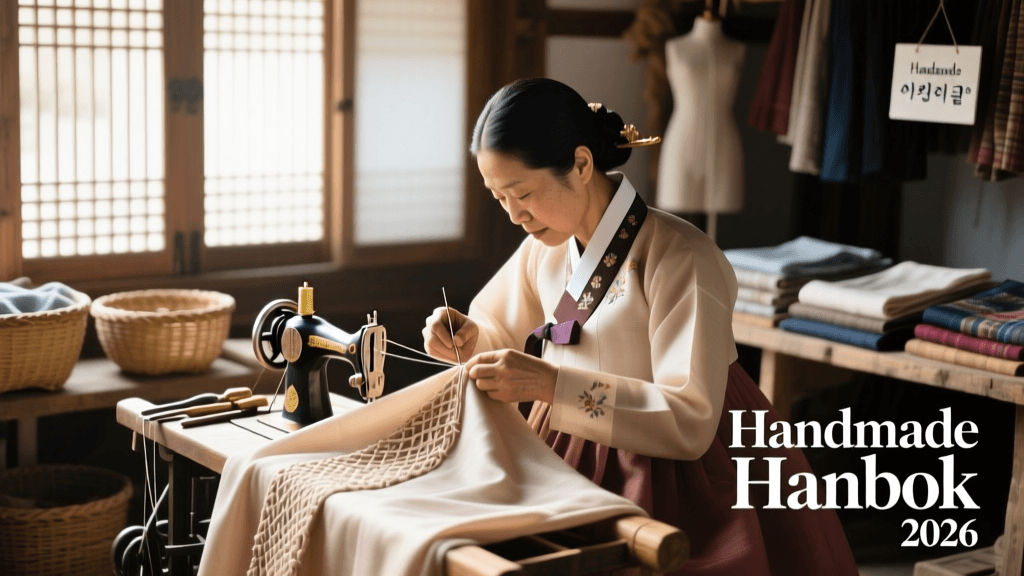
As we navigate through 2026, the global appreciation for traditional Asian garments has evolved from fleeting costume trends into a deep respect for cultural heritage and artisanal craftsmanship. The hanbok, with its elegant lines, vibrant colors, and profound historical significance, is at the forefront of this movement. However, the surge in popularity has also flooded the internet with mass-produced, fast-fashion knockoffs that misrepresent the garment's structure and history. For enthusiasts, collectors, and those seeking genuine cultural attire for weddings, tea ceremonies, or heirloom investments, knowing where and how to source authentic custom hanbok online is essential.
According to ongoing preservation initiatives highlighted by the Cultural Heritage Administration of Korea, the true value of the hanbok lies in its traditional tailoring techniques, such as the curved sleeve (baerae) and the intricate pleating of the skirt (chima). In 2026, discerning buyers are turning away from synthetic dropshipped costumes and are instead commissioning bespoke pieces directly from Korean artisans and established heritage boutiques. This guide will walk you through the most reliable online marketplaces, the nuances of traditional fabrics, and the exact measurement protocols required to commission a flawless custom hanbok from abroad.
Top Online Marketplaces for Artisan Hanbok
Finding a legitimate atelier outside of South Korea can be challenging, but several digital platforms have bridged the gap between global consumers and domestic Korean master tailors in 2026.
1. Idus (아이디어스)
Often described as the Korean equivalent of Etsy, Idus is a premier mobile-first marketplace where independent artisans, weavers, and small-batch tailors sell directly to consumers. In 2026, Idus remains the best platform for discovering indie designers who blend historical accuracy with modern, wearable silhouettes. While the interface is primarily in Korean, the platform's integrated auto-translation and global shipping partnerships have made it highly accessible. Buyers can message artisans directly to request custom fabric dyeing, specific embroidery motifs (geumbak), and personalized sizing. Expect to pay between $300 and $600 for a custom daily-wear (saenghwal) hanbok set.
2. Sonjjang Hanbok
For those seeking high-end, ceremonial, or wedding hanbok, Sonjjang is a globally recognized heritage brand. Operating a robust English-language e-commerce site, Sonjjang offers a bespoke service that pairs traditional weaving methods with contemporary luxury. Their 2026 collections feature exquisite myungju (Korean silk) and hand-applied gold leaf detailing. Because they cater to an international clientele, their customer service team provides virtual consultations via video call to assist with measuring and styling. Prices for custom ceremonial sets typically range from $1,200 to over $3,500, reflecting the hundreds of hours of hand-stitching involved.
3. Gmarket Global (Traditional Crafts Section)
While Gmarket is a general e-commerce giant, its dedicated traditional crafts and textiles section is a goldmine for serious buyers. Here, you can find smaller, family-run ateliers based in Jeonju and Andong—cities famous for their historical textile production. Gmarket is particularly useful if you wish to source raw, authentic fabrics like Andong hemp or Gyeongju silk to bring to a local tailor in your home country. It is also an excellent source for authentic accessories, including handcrafted norigae (ornamental pendants) and kkotsin (traditional silk shoes).
The 2026 Fabric Landscape: Silk, Ramie, and Sustainability
The choice of fabric dictates the drape, longevity, and formality of a hanbok. The Korea Craft and Design Foundation has been instrumental in promoting sustainable, traditional weaving practices, ensuring that heritage textiles remain viable in the modern market.
- Myungju (Korean Silk): The gold standard for formal hanbok. Woven from domestic silkworms, myungju has a subtle, elegant sheen and a structural weight that holds the voluminous skirt pleats beautifully. In 2026, certified organic myungju from Gyeongsang province is highly sought after.
- Mosi (Ramie): Ideal for summer hanbok. Mosi is a breathable, semi-transparent fabric woven from ramie plant fibers. Authentic Hansan mosi is incredibly labor-intensive to produce, resulting in a crisp, cool garment that resists humidity.
- Saeng-myungju (Raw Silk): Unrefined silk with a slightly textured, nubby feel. It is highly durable and often used for daily-wear hanbok or outer garments (durumagi).
- Sustainable Blends: A major trend in 2026 is the use of Tencel-silk blends, developed by Korean textile innovators to offer the drape of silk with the machine-washability and eco-friendly footprint required by modern consumers.
How to Take Custom Measurements for Hanbok
Unlike Western tailoring, which relies heavily on bust, waist, and hip circumference, hanbok construction is based on the skeletal frame and the natural flow of the body. When commissioning a piece on Idus or Sonjjang, you will need to provide specific measurements.
Measuring for the Jeogori (Jacket)
- Chest Width (Hwapok): Measure across the back from the outer edge of one shoulder to the other, then add 2-3 inches for the traditional relaxed drape.
- Arm Length (Soremae): Measure from the base of the neck (the prominent vertebra), over the shoulder, and down to the wrist bone. The traditional sleeve should cover the wrists completely when arms are at rest.
- Jeogori Length: For women, measure from the base of the back neck down to just above the bust line. Modern 2026 styles often sit slightly higher for a lengthening effect on the skirt.
- Neck Circumference: Essential for drafting the git (collar), which must sit flush against the nape without choking the wearer.
Measuring for the Chima (Skirt) and Baji (Trousers)
- Skirt Waist (Chima-heori): Measure the high waist, right under the bust, where the thick waistband will sit. The hanbok skirt does not rest on the natural waist or hips.
- Skirt Length: Measure from the high waist down to the ankle bone. The hem should hover exactly one inch above the floor when wearing traditional padded socks (beoseon).
- Trouser Rise and Inseam: For men's baji, the rise must be exceptionally long to allow for the traditional cross-legged sitting posture. Measure from the navel, through the crotch, to the base of the spine.
Comparison: Fast-Fashion vs. Artisan Custom Hanbok
To understand the value of commissioning an authentic piece, consider the stark differences between mass-market alternatives and bespoke artisan work in 2026.
| Feature | Fast-Fashion / Dropshipped | Artisan Custom Hanbok (2026) |
|---|---|---|
| Price Range | $35 - $90 USD | $350 - $3,500+ USD |
| Materials | Polyester, cheap synthetic satin | Myungju silk, Mosi ramie, organic blends |
| Construction | Machine-serged, straight sleeves, glued hems | Hand-stitched curved sleeves, hidden seams |
| Fit & Drape | Stiff, restrictive, inaccurate proportions | Custom-draped, breathable, skeletal alignment |
| Lead Time | 7-14 days (pre-made inventory) | 4-12 weeks (bespoke tailoring) |
| Cultural Value | Costume-grade, low resale value | Heirloom-grade, recognized by heritage bodies |
Navigating International Shipping and Customs
Ordering directly from South Korea in 2026 is smoother than ever, but requires an understanding of logistics. Most artisans on Idus and independent boutiques utilize EMS (Express Mail Service) for international shipping. EMS typically takes 10 to 18 days to reach North America or Europe and offers reliable tracking through local postal services. For high-value wedding sets from luxury houses like Sonjjang, DHL or FedEx priority shipping (3-5 days) is highly recommended and usually includes comprehensive insurance.
When filling out customs declarations, ensure the seller accurately lists the item as 'Silk Traditional Clothing' or 'Ramie Garments' with the correct Harmonized System (HS) code for silk apparel. This prevents delays and ensures you are assessed the correct textile import duties for your specific country, which generally range from 5% to 12% of the declared value.
Caring for Your Investment Piece
Authentic hanbok requires specialized care to maintain its structural integrity and vibrant natural dyes. Never machine-wash myungju or mosi. In 2026, the standard of care involves professional dry cleaning only by specialists who understand traditional Asian garments, as standard chemical solvents can strip the natural sericin from the silk fibers. For minor odors, air the garment out in a shaded, well-ventilated area; direct sunlight will rapidly fade natural botanical dyes like indigo and safflower.
Storage is equally critical. Hang the jeogori on wide, padded hangers to support the shoulder seams. The chima should never be hung by its waistband for long periods, as the heavy pleats will stretch the fabric. Instead, fold the skirt along its natural pleat lines, layering acid-free tissue paper between the folds, and store it in a breathable cotton garment bag with natural cedar blocks to deter pests. As recognized by global preservation standards outlined by UNESCO's Intangible Cultural Heritage initiatives, the proper maintenance of traditional textiles is vital to keeping the craft alive for future generations.
Conclusion
Purchasing an authentic custom hanbok online in 2026 is an investment in wearable art, cultural preservation, and personal heritage. By bypassing fast-fashion imitations and engaging directly with Korean artisans through platforms like Idus, or established heritage houses like Sonjjang, you ensure that the ancient techniques of the baerae and the delicate weave of myungju continue to thrive. Armed with the correct measurement knowledge and an understanding of traditional textiles, your journey to acquiring a bespoke hanbok will be a deeply rewarding experience that bridges centuries of history with modern elegance.