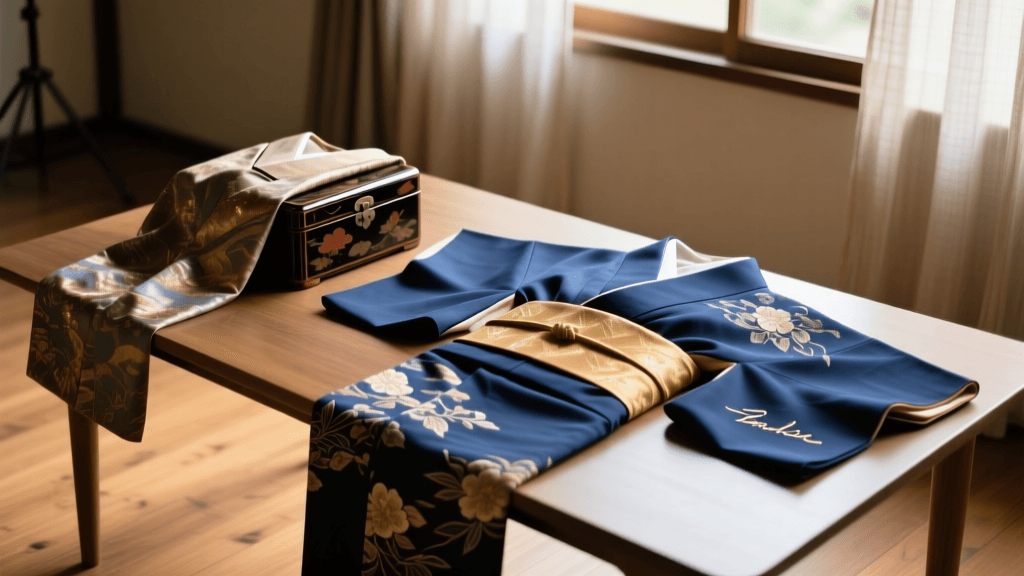
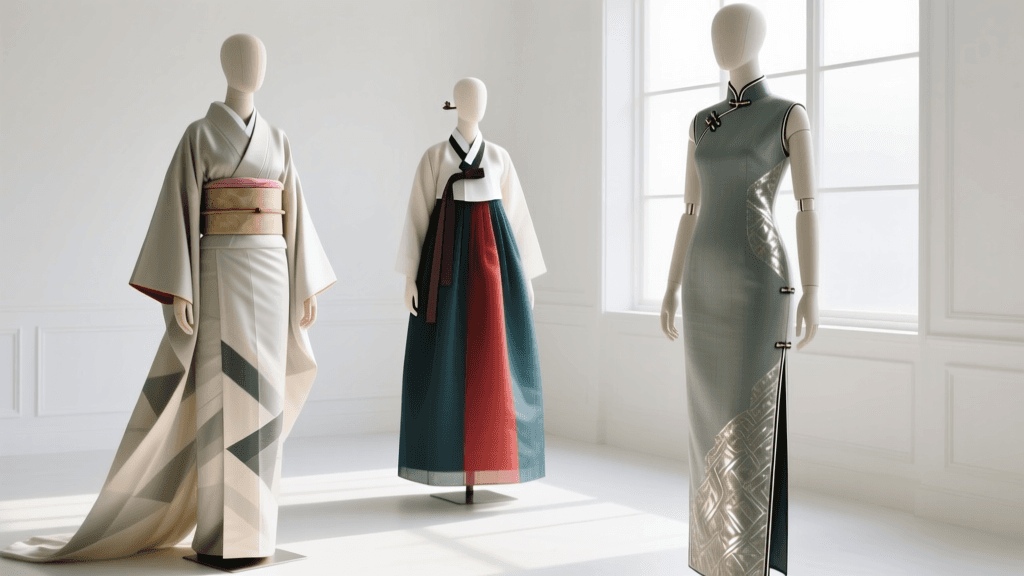
Preserving Vintage Silk Kimonos and Hanboks: 2026 Guide
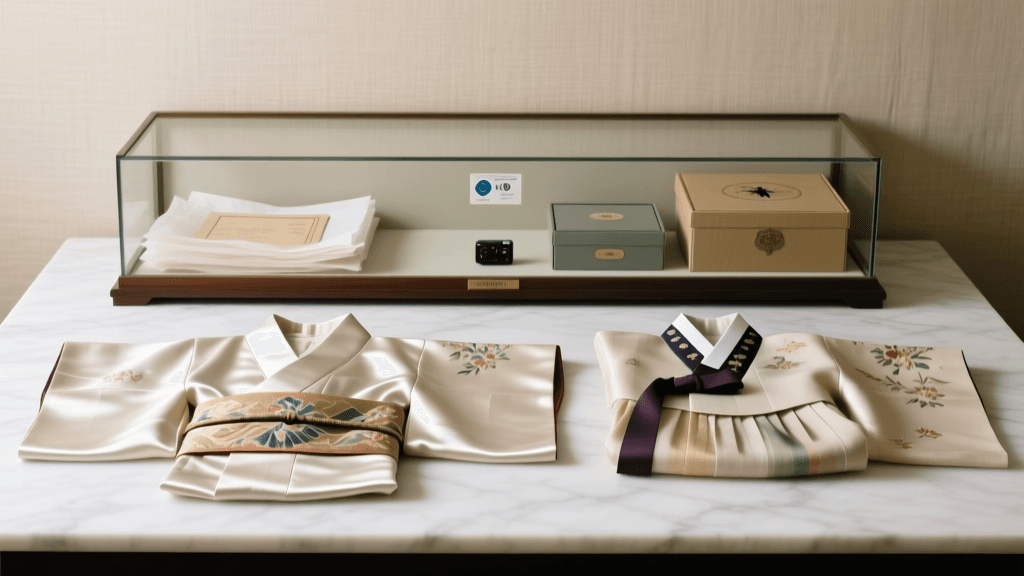
The Delicate Heritage of Asian Silk Garments
Asian traditional garments, particularly the Japanese kimono and the Korean hanbok, represent centuries of intricate craftsmanship, cultural symbolism, and textile artistry. However, preserving these masterpieces in 2026 requires far more than simply hanging them in a closet. The majority of vintage and antique kimonos and high-end hanboks are constructed from silk, a natural protein fiber that is exceptionally vulnerable to environmental fluctuations, light exposure, and biological threats. As climate patterns shift and indoor environments become more heavily regulated, collectors and cultural institutions must adopt rigorous, museum-grade preservation strategies to ensure these garments survive for future generations.
Unlike synthetic fibers or even plant-based textiles like cotton and linen, silk undergoes a unique degradation process. The protein chains in silk fibroin can break down through hydrolysis (excess moisture), photo-oxidation (UV exposure), and mechanical stress. Whether you are safeguarding a family heirloom Meiji-era uchikake (wedding kimono) or a meticulously embroidered 20th-century Korean hwarot (bridal robe), understanding the science of textile preservation is the first step toward effective conservation.
The Science of Silk Degradation
Silk is inherently sensitive to its environment. When exposed to high humidity, the amino acid bonds within the silk fibers weaken, leading to a loss of tensile strength and the eventual shattering of the fabric. Conversely, excessively dry conditions can cause the fibers to become brittle and snap under the weight of heavy embroidery or metallic threadwork. Furthermore, silk is highly susceptible to photo-oxidation. Even ambient indoor lighting, particularly wavelengths in the ultraviolet and blue spectrums, can cause irreversible fading and structural weakening of the dyes and fibers.
According to guidelines published by the Getty Conservation Institute, preventive conservation is the most effective method for mitigating these risks. By controlling the microclimate surrounding the garment, collectors can drastically slow the rate of chemical and physical deterioration. In 2026, this means moving away from traditional, often harmful storage methods—such as cedar chests lined with acidic paper or wire hangers—and embracing scientifically validated archival materials.
Essential Archival Storage Materials for 2026
The foundation of any textile preservation strategy is the use of chemically stable, inert materials that will not off-gas harmful acids or react with the silk's dyes. When sourcing supplies in 2026, it is critical to distinguish between buffered and unbuffered archival papers. While buffered (alkaline) papers are excellent for cotton and linen, they are highly detrimental to protein-based fibers like silk and wool, as the alkaline salts can degrade the protein structure over time. Always select unbuffered, acid-free, and lignin-free materials for kimonos and hanboks.
| Material | pH / Chemical Profile | Best Application | 2026 Average Cost |
|---|---|---|---|
| Unbuffered Acid-Free Tissue | pH 7.0 (Neutral) | Padding folds, wrapping garments, preventing sharp creases | $18 - $30 per 100 sheets |
| Tyvek Envelopes & Wraps | Inert Polyethylene | Dust protection, water resistance, breathable enclosures | $4 - $12 per enclosure |
| Archival Corrugated Boxes | Acid-Free, Lignin-Free | Long-term flat storage, protecting from light and physical crushing | $45 - $85 per box |
| Paulownia Wood (Tansu) | Natural, Low-Acid Wood | Traditional Japanese storage, humidity buffering, moth deterrence | $900 - $3,500 per chest |
For Korean hanboks, which often feature voluminous skirts (chima) and delicate jackets (jeogori), large-format archival boxes are essential. The chima should never be stored tightly compressed, as the stiffening agents used in traditional silk weaving can fracture if forced into tight folds.
Climate Control and Smart Monitoring
The ideal storage environment for silk garments is a cool, dark, and stable space. The generally accepted standard for textile preservation is a temperature of around 65°F to 68°F (18°C to 20°C) with a relative humidity (RH) of 45% to 50%. Fluctuations in these metrics are often more damaging than the absolute numbers themselves, as expanding and contracting fibers cause mechanical fatigue.
In 2026, maintaining this microclimate is easier than ever thanks to advanced smart monitoring technology. Wireless Bluetooth and Wi-Fi hygrometers, such as the latest SensorPush HT.w models or the Temp Stick 2026 edition, allow collectors to monitor conditions inside closed tansu chests or archival boxes without having to open them and expose the garments to light and ambient air. These devices send real-time alerts to your smartphone if the humidity spikes above 55%—a critical threshold where mold spores can begin to germinate on organic textiles—or drops below 35%, risking desiccation.
If you are storing garments in a room without central climate control, consider using silica gel cassettes specifically designed for museum display cases. These can be conditioned to maintain a precise 50% RH and placed discreetly inside your archival storage boxes.
Non-Toxic Pest Prevention Strategies
Textile pests, particularly the webbing clothes moth (Tineola bisselliella) and the black carpet beetle, are notorious for consuming protein-based fibers. A vintage silk kimono with metallic embroidery or a hanbok adorned with organic dyes is a prime target for these insects. Historically, collectors relied on toxic mothballs containing naphthalene or paradichlorobenzene. In 2026, these chemicals are widely recognized not only as health hazards to humans but also as agents that can chemically react with silk dyes, causing permanent staining and fiber degradation.
Modern preservation relies on Integrated Pest Management (IPM) and non-toxic deterrents:
- Pheromone Traps: Use sticky traps baited with species-specific pheromones to monitor for adult male moths. This provides an early warning system before an infestation can take hold.
- Anoxia Treatment: If a garment is suspected of harboring pest eggs, it can be sealed in an oxygen-barrier film (such as Escal bags) along with oxygen absorbers. Depriving the environment of oxygen for 21 days will safely eradicate all life stages of the pest without using chemicals.
- Deep Freezing: For smaller items, sealing the garment in a polyethylene bag and placing it in a standard chest freezer at -20°C for 72 hours is a highly effective, non-toxic eradication method endorsed by the Victoria and Albert Museum.
- Natural Repellents: While not a substitute for airtight storage, sachets of dried lavender, cedar blocks, or neem leaves can be placed in the outer compartments of a tansu to deter adult insects from approaching the storage area.
The Art of Folding: Hon-Datami and Hanbok Storage
Unlike Western garments, which are often designed to be hung, traditional Asian garments are structurally engineered to be folded. Hanging a heavy, multi-layered silk kimono or a densely embroidered hanbok jacket places immense gravitational stress on the shoulder seams, leading to irreversible tearing and distortion of the weave.
Folding the Kimono (Hon-Datami)
The kimono is traditionally folded using a specific method known as hon-datami (true folding). This technique aligns the seams and distributes the fabric's bulk evenly, preventing sharp, localized creases that can shatter aged silk. When folding, always interleave the layers with unbuffered acid-free tissue paper to provide cushioning at the fold lines. The folded kimono should then be wrapped in a tatou (a traditional paper wrapper, now ideally replaced with acid-free paper or a Tyvek sleeve) before being placed flat in a drawer or archival box.
Storing the Hanbok
Hanbok storage requires a slightly different approach due to the distinct separation of the upper garment (jeogori) and the lower skirt (chima) or trousers (baji). The jeogori should be folded carefully with tissue padding at the sleeves and collar to maintain the structural integrity of the git (collar). The chima, which relies on a high waistband and a flowing, voluminous skirt, should be folded in wide, gentle pleats rather than tight, narrow creases. Store the jeogori and chima in separate archival enclosures within the same box to prevent the metallic threads or stiff embroidery of the jacket from snagging the delicate silk of the skirt.
When to Seek Professional Textile Conservation
While preventive care and proper storage can halt further degradation, they cannot reverse existing damage. If your vintage kimono or hanbok exhibits active shattering, severe staining, mold growth, or structural separation at the seams, it is time to consult a professional. Attempting to wash, iron, or repair historic silk with commercial products or home-sewing techniques will almost certainly cause catastrophic, irreversible damage.
When seeking professional help, look for conservators who specialize in Asian textiles and adhere to the ethical guidelines of reversible treatment. You can locate vetted, highly qualified professionals in your region through the American Institute for Conservation or your country's equivalent national heritage body. A professional conservator can perform delicate surface cleaning, stabilize shattering fibers using custom-dyed silk crepeline overlays, and provide a customized long-term care plan tailored to your specific garment's condition.
Conclusion
Preserving vintage silk kimonos and hanboks in 2026 is a rewarding endeavor that bridges the gap between historical reverence and modern scientific conservation. By investing in unbuffered archival materials, leveraging smart climate monitoring technology, and adhering to traditional folding methodologies, collectors can ensure that these magnificent examples of Asian textile artistry remain vibrant, intact, and structurally sound for centuries to come. Treat your garments not merely as clothing, but as fragile, irreplaceable historical documents that require a mindful, proactive approach to their long-term survival.