2026 Kimono Auction Guide: Appraising Vintage Silk Value
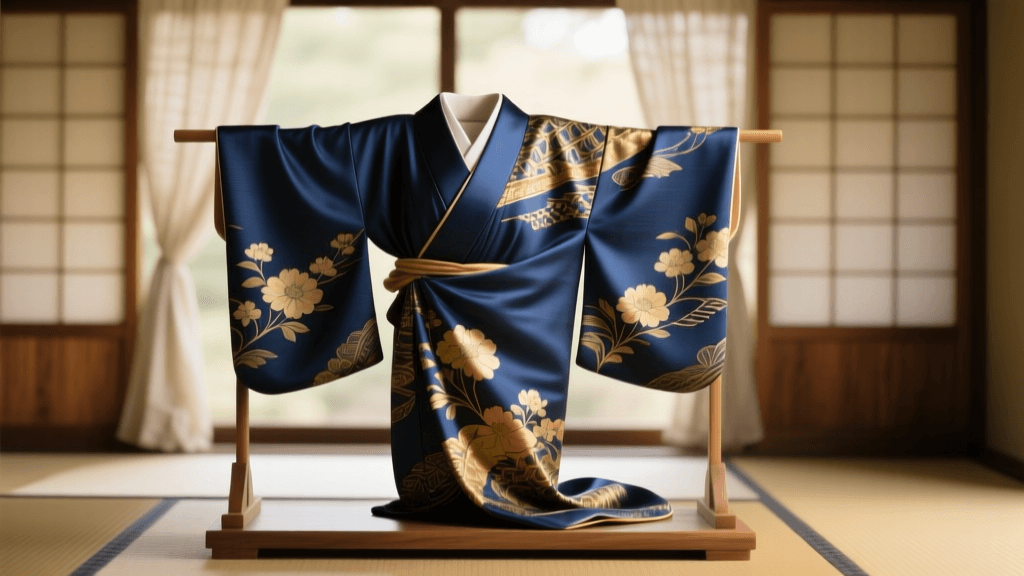
The global appetite for sustainable, heritage fashion has propelled the secondhand kimono market into a highly sophisticated arena by 2026. No longer just a niche pursuit for textile historians, acquiring vintage and antique Japanese garments through auctions has become a mainstream investment and styling strategy. Whether you are sourcing a pristine Taisho-era meisen silk for a modern wardrobe or hunting for a museum-grade Edo-period kosode, understanding the mechanics of kimono auctions and value appraisal is essential for any serious collector.
The 2026 Landscape of the Secondhand Kimono Market
In 2026, the secondary market for traditional Japanese garments is driven by a dual force: domestic Japanese estate clear-outs and an unprecedented surge in international collector demand. Platforms like Yahoo! Auctions Japan remain the undisputed heavyweight for volume, while specialized physical auction houses in Kyoto, such as those operating in the historic Nishijin district, handle high-end antique lots. According to textile conservation experts at the Metropolitan Museum of Art, the preservation and study of Japanese textiles have highlighted the extreme rarity of intact pre-20th-century garments, driving up their auction premiums significantly over the last few years.
Furthermore, the integration of AI-assisted proxy bidding services has leveled the playing field for international buyers. Services now offer real-time, context-aware translation of nuanced condition reports, allowing collectors in New York, London, or Paris to bid confidently on lots in Osaka or Fukuoka. However, algorithmic translation cannot replace a trained eye for textile appraisal and physical inspection.
Key Metrics for Kimono Value Appraisal
Appraising a kimono requires a multidisciplinary approach, blending art history, textile science, and market trend analysis. When evaluating a lot, collectors and professional appraisers focus on three primary pillars: era, technique, and condition.
Era and Historical Significance
The historical period in which a kimono was produced heavily dictates its baseline value. Edo-period (1603–1867) kosode (the predecessor to the modern kimono) are exceptionally rare and are usually acquired by institutions or high-net-worth collectors. The Meiji (1868–1912) and Taisho (1912–1926) eras are highly coveted for their innovative blending of traditional motifs with Art Deco and Western influences. Taisho-era meisen silk kimonos, characterized by their bold, geometric, and slightly blurred ikat patterns, have seen a massive resurgence in 2026, frequently fetching premium prices at auction due to their striking compatibility with contemporary Western fashion and interior design.
Textile and Dyeing Techniques
The method of creation is perhaps the most critical value driver. Hand-painted Yuzen dyeing, particularly the intricate Kyo-Yuzen from Kyoto, commands top-tier pricing. The presence of shibori (meticulous hand-tied resist dyeing) or Oshima Tsumugi (a complex, mud-dyed pongee silk from Amami Oshima) significantly elevates a garment's appraisal value. As noted by the Victoria and Albert Museum, the technical mastery and immense labor required for these regional techniques make them highly sought after in the global textile market. Woven textiles like Nishijin-ori brocades, especially those incorporating genuine gold and silver leaf (kinsai), also hold immense intrinsic and artistic value.
Condition and Flaw Grading
In the auction world, condition is paramount. Japanese auction listings are notoriously honest, utilizing specific terminology to describe flaws. Buyers must familiarize themselves with terms like shimi (age spots or water stains), yake (sun fading or discoloration), and yogore (general soiling). A kimono with a flawless front panel but minor shimi on the lower back or inside the lining (ura-ji) can still hold substantial value. Conversely, structural damage, such as shattering silk (where the fabric crumbles due to metallic dye degradation, common in early Showa-era garments), will drastically reduce the appraisal value, relegating the piece to study or upcycling status.
The Role of Embroidery and Maker Seals
Beyond the base fabric, secondary elements play a massive role in 2026 auction valuations. Shishu (traditional Japanese embroidery) featuring silk and metallic threads can elevate a standard garment to a masterpiece. However, appraisers must check for metallic thread oxidation or fraying, which can detract from the value. Additionally, identifying maker seals (hanko) or woven labels from prestigious department stores like Takashimaya, Daimaru, or historic dyeing houses like Chiso, provides verified provenance. A verified Chiso Yuzen kimono from the mid-20th century will consistently outperform an unbranded piece of similar visual quality in a competitive bidding war.
Navigating Online and Physical Auctions
Successfully acquiring vintage kimono in 2026 requires strategic bidding. On Yahoo! Auctions Japan, lots ending on Sunday evenings (JST) typically see the highest volume of international proxy bids, driving prices up. Savvy collectors often target lots ending on weekday mornings in Japan, where competition is statistically lower and hidden gems can be secured below market rate.
When reading listings, always scrutinize the photographs. Look for clear images of the eri (collar), the sodeguchi (sleeve openings), and the hakkake (lower lining). These high-friction areas are the first to show wear. If an auction listing uses the term wakeari (reasons/defects), proceed with caution and demand a thorough condition report before placing a bid.
For physical auctions, attending preview days (yoten) is non-negotiable for high-value lots. Touching the fabric allows you to assess the koshi (the crispness or body of the silk) and detect any hidden odors, such as camphor or mildew, which can be difficult and expensive to remove from vintage textiles.
2026 Kimono Valuation Reference Guide
To help collectors gauge fair market value, the following table outlines estimated auction price ranges for various kimono types in the 2026 market. Prices reflect garments in good to excellent wearable condition, excluding museum-grade antiques or severely damaged lots.
| Garment Type & Technique | Era | Condition Grade | Estimated 2026 Auction Value (USD) |
|---|---|---|---|
| Kyo-Yuzen Hand-Painted Silk | Mid-Showa (1950s-1970s) | Excellent (No visible shimi) | $450 - $1,200 |
| Oshima Tsumugi (Mud-Dyed Pongee) | Late Showa (1980s) | Very Good (Minor wear on collar) | $300 - $800 |
| Taisho Meisen (Ikat Silk) | Taisho (1912-1926) | Good (Faint yake on shoulders) | $250 - $600 |
| Nishijin-ori Brocade Obi | Heisei (1990s-2000s) | Excellent (Pristine gold leaf) | $150 - $400 |
| Shibori Silk Kimono | Early Showa (1930s) | Fair (Some shattering on lining) | $80 - $200 |
Expert Tips for Aspiring Collectors
Building a valuable collection requires patience and a commitment to education. Always prioritize provenance; a kimono accompanied by its original tato (storage paper) and a certificate of authenticity from a recognized traditional craft association will always appraise higher than an orphaned piece.
Additionally, factor in the cost of post-auction conservation. Professional arai-hari (the traditional method of unsewing, washing, and re-stretching the fabric bolts) is a specialized service that can cost upwards of $300 to $500 in 2026, but it is essential for preserving the longevity and value of your investment. By mastering these appraisal techniques and auction strategies, collectors can confidently navigate the rich, complex world of vintage Japanese textiles and secure pieces that hold both cultural and financial value.