Vintage Kimono Auctions & Appraisal Guide 2026: Value Silk
The 2026 Landscape of the Secondhand Kimono Market
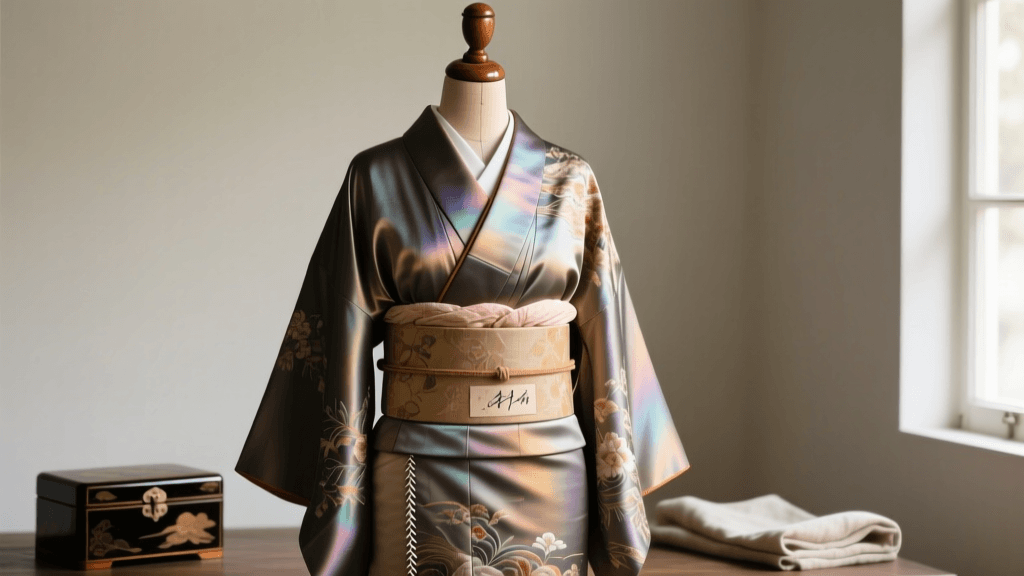
As the global fashion industry leans heavily into circular economies and sustainable luxury, the secondhand market for traditional Japanese garments has experienced a massive renaissance. In 2026, vintage and antique kimono auctions are no longer niche collector circles; they are vibrant, highly competitive digital marketplaces. Driven by a renewed appreciation for slow fashion and artisanal craftsmanship, collectors, designers, and fashion historians are turning to Japanese auction houses to acquire pre-1940s silk garments. Understanding how to appraise these textiles is essential for both the seasoned collector and the novice enthusiast looking to invest in wearable history. The modern auction environment is defined by global accessibility, with advanced proxy services and high-resolution digital condition reports allowing international buyers to bid on rare textiles with unprecedented confidence.
Core Valuation Metrics for Antique Kimono
Appraising a vintage kimono requires a nuanced understanding of Japanese textile history, weaving techniques, and condition grading. Unlike Western vintage fashion, where brand labels dictate price, the value of a traditional kimono is rooted in its era, its artisanal techniques, and the integrity of its silk. According to The Metropolitan Museum of Art's Heilbrunn Timeline of Art History, the kimono is not merely a garment but a canvas that reflects the socio-economic and artistic shifts of Japan's distinct historical periods. When evaluating a piece at auction, appraisers focus on three primary pillars: Era, Technique, and Condition.
Era and Provenance: The Taisho Premium
In 2026, the most fiercely contested auction lots are garments from the Taisho era (1912–1926) and early Showa era (1926–1945). The Taisho period is renowned for the 'Taisho Roman' aesthetic, a romantic, art-nouveau-influenced style that features bold, modernist geometric patterns, vibrant aniline dyes, and dramatic, sweeping motifs. A Taisho-era furisode (long-sleeved kimono for unmarried women) featuring hand-painted yuzen and gold leaf accents can command upwards of $3,000 to $8,000 USD at premier Tokyo auction houses, provided the silk remains structurally sound. Conversely, mass-produced synthetic kimono from the late Showa era (1970s–1980s) hold minimal collector value, often selling in bulk lots for under $50.
Textile Techniques and Artisan Marks
The method of dyeing and weaving is the second major driver of auction value. Hand-crafted techniques elevate a garment from mere clothing to a museum-quality textile. Key techniques that drive high appraisal values include:
- Yuzen-zome: A meticulous resist-dyeing technique involving hand-painted motifs outlined with rice paste. Pieces featuring kaga-yuzen (from Kanazawa) are highly prized for their realistic, botanical shading.
- Shibori: Intricate tie-dye methods. The microscopic spiderweb patterns of kanoko shibori require thousands of hand-tied knots, making intact vintage examples exceptionally rare and valuable.
- Nishijin-ori: Heavy, opulent brocade weaving from Kyoto, typically used for maru obi (formal sashes) and wedding uchikake (outer robes).
- Yuki-tsumugi: A highly revered, labor-intensive silk weaving technique recognized on the UNESCO Intangible Cultural Heritage list. Vintage bolts of hand-spun Yuki-tsumugi silk are considered investment-grade assets in the 2026 textile market.
Appraisal Table: Grading Vintage Kimono in 2026
Condition is the ultimate arbiter of value. Silk is a protein fiber that degrades when exposed to moisture, light, and poor storage. Auction houses utilize a strict grading system. Below is the standard 2026 appraisal matrix used to evaluate vintage silk kimono, specifically focusing on formal garments like tomesode and furisode.
| Grade | Condition Characteristics | 2026 Estimated Auction Value (Taisho Furisode) |
|---|---|---|
| Mint (Shinpin) | No stains, no fading, crisp silk, pristine lining, original basting stitches intact. | $4,500 - $8,500+ |
| Excellent (Yu) | Micro-fading on shoulders, 1-2 pinpoint stains on the inner hem, vibrant primary motifs. | $2,000 - $4,200 |
| Good (Ryo) | Noticeable water spots, slight fabric weakness at stress points, collar discoloration. | $600 - $1,800 |
| Fair (Nami) | Large stains on the back panel, silk shattering (tearing) at the shoulders, heavy patina. | $150 - $500 (Textile salvage) |
| Poor (Junk) | Severe shattering, mold damage, structural failure. Sold only for upcycling or framing. | $20 - $90 |
Navigating Japanese Auction Platforms and Proxy Services
To access the highest quality inventory, international buyers must navigate domestic Japanese auction platforms. Yahoo! Auctions Japan remains the undisputed titan of the secondhand kimono market, hosting thousands of daily listings from professional recycle shops (like the renowned Tansu-ya) and private estate liquidators. In 2026, international buyers rely heavily on advanced proxy bidding services such as Buyee, Neokyo, and ZenMarket. These platforms have integrated AI-assisted image enhancement to help overseas buyers zoom in on silk weaves and identify hidden stains that low-light smartphone photos might obscure.
When bidding, it is crucial to factor in the 2026 proxy fee structures, domestic shipping costs, and international export regulations. Japan has tightened export controls on certain cultural artifacts, though standard vintage clothing remains freely exportable. Always read the Japanese condition notes carefully; terms like shimi (stain), hikkake (snag), and iro-yake (color fading) are vital red flags that drastically alter the garment's appraisal value.
Step-by-Step Physical Appraisal Checklist
Whether you are examining a piece at a physical antique market in Kyoto or evaluating high-res images provided by an auction house, a systematic appraisal checklist is mandatory. The Victoria and Albert Museum's Japan collections emphasize the importance of examining the structural anatomy of the garment, not just the surface design. Follow this checklist to ensure a comprehensive evaluation:
- The Kake-Eri (Collar): Check the neckband for foundation stains and makeup transfer. The collar is the most vulnerable area. A replaced or heavily soiled collar drops the value by at least 30%.
- The Hiyoku (Lining): Vintage kimono often feature a secondary inner lining. Inspect the hem of the lining for dirt accumulation and silk shattering. Replacing a hiyoku is a costly, specialized restoration process.
- The Mon (Family Crests): Count the crests. A garment with five hand-painted or embroidered crests (itsutsu-mon) is of the highest formality and commands a premium over garments with one or three crests.
- The Hem and Fuki: The padded hem (fuki) should be intact. Excessive dragging on the ground leads to fraying, which is difficult to repair without altering the garment's length.
- Odor and Storage Patina: A distinct smell of camphor or old tatami is common, but the sharp scent of mildew indicates active moisture damage, which will continue to degrade the silk even after purchase.
Investment Strategies and Textile Preservation
Acquiring a vintage kimono at auction is only the first step; preserving its value requires meticulous care. In 2026, collectors utilize specialized, acid-free tatoushi (traditional paper wrappers) and store garments in climate-controlled environments maintaining a strict 50% humidity level to prevent the silk proteins from becoming brittle. Never store vintage silk on wire hangers or in plastic garment bags, as this traps moisture and accelerates the shattering process.
For those looking to flip investments, timing is everything. The auction market sees peak demand for lightweight, unlined hitoe and sheer ro or sha silk kimono in late spring, while heavy, padded winter kimono and formal wedding uchikake see bidding wars in late autumn. By mastering the intersection of historical knowledge, condition grading, and strategic bidding, collectors can successfully navigate the 2026 kimono auction market, preserving these extraordinary examples of Asian textile heritage for generations to come.