2026 Guide to Preserving Vintage Silk Kimonos & Hanboks
The Delicate Nature of Antique Asian Silks
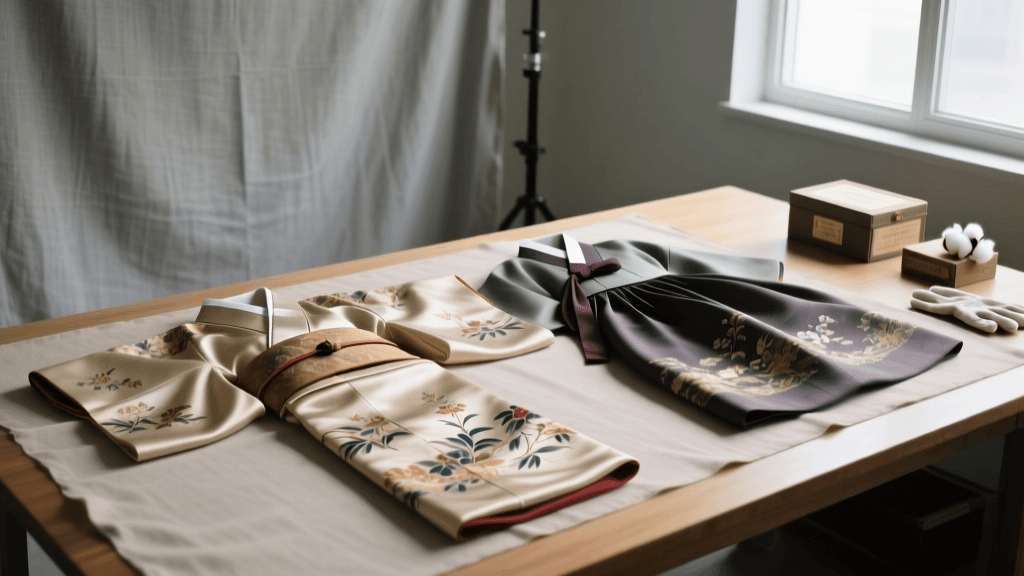
Preserving traditional Asian garments requires a nuanced understanding of textile chemistry, cultural construction methods, and environmental science. Vintage Japanese kimonos, particularly those woven from Meisen silk, and antique Korean hanboks crafted from Myeongju silk, represent some of the most exquisite examples of heritage fashion. However, as protein-based fibers, these silks are highly susceptible to environmental degradation, light damage, and improper cleaning techniques. In 2026, the textile conservation community has shifted entirely away from harsh chemical solvents, favoring non-invasive, museum-grade preservation methods that prioritize the structural integrity of the garment over aggressive cosmetic restoration.
Unlike modern synthetic blends, antique Asian silks were often dyed using organic botanicals and weighted with metallic salts to increase the fabric's drape and luster. Over decades, these metallic salts can cause the silk to become brittle, leading to a phenomenon known as "shattering," where the fabric breaks along fold lines. Understanding this vulnerability is the first step in implementing a successful 2026 preservation protocol for your heritage collection.
2026 Advances in Non-Destructive Surface Cleaning
Before addressing specific stains, conservators emphasize the importance of dry surface cleaning. Water is the enemy of antique silk; it can cause dyes to bleed, alter the fabric's hand, and accelerate the degradation of metallic weighting agents. In 2026, professional textile conservators rely on specialized micro-vacuuming and soft-bristle techniques to remove particulate soil without introducing moisture.
Step-by-Step Dry Surface Cleaning
- Inspection under UV Light: Using a 365nm ultraviolet flashlight, inspect the garment in a dark room. This reveals hidden oxidation stains, biological residues, and areas of previous, undocumented restorations that may react poorly to cleaning.
- Micro-Vacuuming: Use a HEPA-filtered museum vacuum with a variable suction dial set to its lowest setting. Place a flexible fiberglass screen over the silk and cover the screen with a layer of undyed, unbleached muslin. This prevents the vacuum nozzle from pulling and distorting the fragile weave.
- Soft Brushing: For embroidered areas on a Korean hanbok jeogori or the intricate yuzen dyed motifs on a kimono, use a conservation-grade sable hair brush to gently dislodge dust from the threads, brushing in the direction of the weave.
Treating Water and Oxidation Stains Safely
Stains on vintage Asian silks are notoriously difficult to treat because the dyes are often less colorfast than the stains themselves. The brown spots frequently seen on vintage kimonos are usually caused by sugar-based residues from spilled sake or tea, which caramelize and oxidize over time. Another common issue is "foxing" or mildew spotting caused by improper storage in humid environments.
In 2026, conservators utilize localized enzymatic gels and pH-neutral agarose poultices to lift stains without saturating the surrounding fabric. These poultices draw the stain out through capillary action while keeping the moisture strictly confined to the stained millimeter. For general collectors at home, attempting to wash an antique Meisen silk kimono or a vintage Korean silk chima (skirt) in a basin of water is strongly discouraged. The risk of irreversible dye migration and fabric shrinkage is exceptionally high. If a stain is visually distracting but structurally stable, the modern conservation ethos dictates leaving it alone rather than risking the destruction of the garment.
Archival Storage Solutions for Long-Term Preservation
How you store your Asian garments is arguably more critical than how you clean them. The traditional Japanese method of folding a kimono, known as tatou, creates sharp, permanent creases that eventually lead to fiber breakage. While tatou folding is culturally significant and acceptable for modern, sturdy silks, antique and museum-quality pieces require modified storage approaches in 2026.
Modifying the Tatou Fold and Flat Storage
For garments that must be folded to fit into archival boxes, conservators now use "soft rolling" or padded folding. Unbuffered, acid-free tissue paper is gently stuffed into the sleeves, collar, and bodice to prevent hard creases. For highly fragile antique hanboks and early Showa-era kimonos, flat storage in oversized archival drawers is the gold standard, allowing the garment to rest without any tension on the fibers.
2026 Archival Storage Material Specifications
Selecting the correct materials is vital. Silk is a protein fiber, meaning it must never be stored in buffered acid-free tissue (which contains calcium carbonate and is meant for plant-based cellulose fibers like cotton). Below is the current standard for archival storage materials:
| Material | Specification for Silk | 2026 Average Cost | Primary Use Case |
|---|---|---|---|
| Unbuffered Acid-Free Tissue | pH 7.0, neutral, lignin-free | $18 - $25 per pack | Padding folds, stuffing sleeves, interleaving layers |
| Archival Coroplast Boxes | Corrugated polyethylene, chemically inert | $85 - $140 per box | Long-term flat storage, protecting from light and dust |
| Unbleached Muslin Dust Covers | 100% cotton, washed, un-dyed | $30 - $50 per cover | Wrapping garments on padded hangers (short-term only) |
| Silica Gel Cassettes | Conditioned to 50% RH, indicating color | $45 per set of 4 | Micro-climate humidity control inside sealed boxes |
The 2026 Climate Control Standard
Environmental fluctuations cause silk fibers to expand and contract, leading to mechanical fatigue. According to the Smithsonian Museum Conservation Institute, maintaining a stable microclimate is essential for preventing the physical breakdown of historic textiles. In 2026, the integration of Bluetooth-enabled data loggers allows collectors to monitor their storage environments via smartphone applications, receiving instant alerts if temperature or humidity thresholds are breached.
The ideal environment for storing silk kimonos and hanboks is a temperature of 65°F to 68°F (18°C to 20°C) with a Relative Humidity (RH) of 50% to 55%. High humidity invites mold and attracts silverfish, while low humidity desiccates the silk, making it brittle. Furthermore, all storage areas must be kept in complete darkness, as ultraviolet and even ambient visible light will permanently fade organic botanical dyes and weaken the fibroin protein structure.
Pest Management: The Shift to Anoxia
Historically, collectors relied on mothballs (naphthalene or paradichlorobenzene) to protect wool and silk garments. Today, these chemicals are recognized as highly toxic to humans and actively damaging to textile fibers, causing yellowing and accelerating degradation. In 2026, the industry standard for pest eradication in heritage garments is anoxia (oxygen deprivation).
If you suspect an active carpet beetle or clothes moth infestation in your kimono or hanbok collection, the garment should be sealed in an oxygen-barrier film bag along with an oxygen scavenger. By reducing the oxygen level inside the sealed environment to below 0.1% for a period of 21 days, all life stages of the pest—including eggs, larvae, and adults—are safely eradicated without exposing the delicate silk to freezing temperatures or toxic fumes.
When to Seek Professional Textile Conservation
While collectors can manage surface dusting, proper folding, and climate control, active restoration should only be performed by trained professionals. If your vintage Meisen kimono suffers from shattered silk, split seams along the okumi (front panel), or severe biological staining, it is time to consult an expert. The American Institute for Conservation (AIC) provides a directory of credentialed textile conservators who adhere to a strict code of ethics, ensuring that all repairs are reversible and historically sympathetic.
Additionally, institutions like the Victoria and Albert Museum offer extensive public guidelines on caring for historic textiles, reinforcing the principle of "first, do no harm." By embracing the 2026 standards of non-invasive care, collectors and curators can ensure that these magnificent examples of Asian sartorial heritage survive for future generations to study, admire, and cherish.
Conclusion
The preservation of vintage silk kimonos and antique Korean hanboks is a delicate balance between honoring traditional craftsmanship and applying modern scientific conservation. By avoiding water-based cleaning, utilizing unbuffered archival materials, maintaining strict climate control, and abandoning toxic pest deterrents in favor of anoxia, collectors can safeguard these cultural treasures. As preservation technology continues to advance in 2026, staying informed and prioritizing the structural health of the garment over immediate cosmetic perfection remains the ultimate key to successful textile stewardship.