Chinese Costume Symbolism: Decoding Meanings

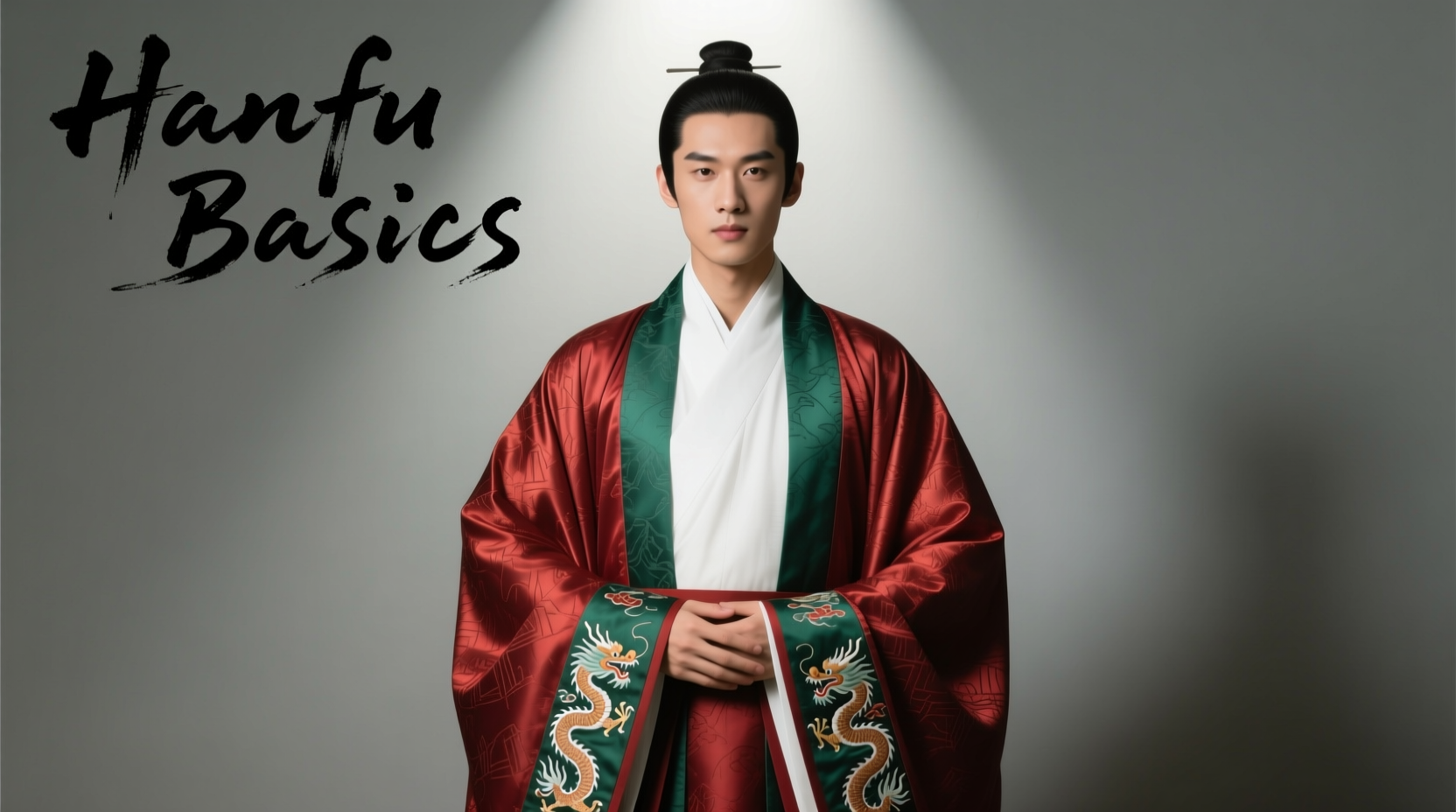
To wear a traditional Chinese costume is to drape oneself in a millennia-old philosophical map. Far from mere aesthetic choices, the garments of China’s historical dynasties—collectively referred to today as Hanfu (汉服)—were meticulously engineered to reflect cosmic harmony, social hierarchy, and moral virtue. Whether examining the flowing sleeves of a Tang dynasty robe or the structured pleats of a Ming dynasty skirt, every stitch carries weight. This guide decodes the profound symbolism embedded in these garments, offering a comprehensive lens for historians, cultural enthusiasts, and modern wearers alike.
The Philosophy of Form: Silhouette and Cosmic Harmony
Unlike Western tailoring, which historically relied on darts and seams to sculpt the garment to the human body, the traditional Chinese costume embraces flat-pattern cutting. This construction method preserves the integrity of the woven fabric, reflecting a deep-seated cultural reverence for nature and the materials provided by the earth. According to the Smithsonian National Museum of Asian Art, this unstructured approach allowed the fabric to flow dynamically, creating a silhouette that prioritized elegance and moral rectitude over physical display.
The most defining structural element of Hanfu is the Jiaoling Youren (交领右衽), or the crossed collar with the right lapel. In this configuration, the left side of the garment crosses over the right, covering the wearer's right breast. This is not an arbitrary design choice; it is a profound symbolic boundary. In traditional Chinese cosmology, the left represents Yang (life, light, and the living), while the right represents Yin (death, darkness, and the spiritual realm). Dressing with the right lapel over the left (Youren) is the domain of the living. Conversely, the deceased are dressed with the left lapel over the right (Zuoren) to signify their transition into the spirit world.
Furthermore, the wide, unstructured sleeves and the absence of restrictive tailoring symbolize a harmonious relationship between humanity and the natural world. The garment does not constrain the body; rather, the body gives life to the garment, embodying the Daoist principle of Wu Wei (effortless action).
Chromatic Language: The Five Orthodox Colors
Color in Chinese sartorial history is governed by the Theory of the Five Elements (Wuxing), which correlates colors with natural elements, directions, and seasons. The 'Five Orthodox Colors' (Wuzhengse) were reserved for formal and elite wear, while intermediate colors were deemed informal. The China National Silk Museum in Hangzhou preserves exquisite examples of these dyeing techniques, showcasing how deeply color was tied to political and cosmic order.
| Color | Element | Direction | Symbolic Meaning | Historical Context |
|---|---|---|---|---|
| Red (Chi) | Fire | South | Joy, Prosperity, Vitality | Worn by brides; favored by the Ming Dynasty imperial court. |
| Yellow (Huang) | Earth | Center | Imperial Power, Neutrality | Monopolized by the Emperor from the Tang Dynasty onward. |
| Blue/Green (Qing) | Wood | East | Spring, Youth, Growth | Often worn by scholars and youth; associated with vitality. |
| White (Bai) | Metal | West | Mourning, Purity, Autumn | Strictly reserved for funerary rites and periods of mourning. |
| Black (Xuan) | Water | North | Winter, Profundity, Heaven | The imperial color of the Qin Dynasty; represents the heavens. |
Motif Lexicon: Reading the Embroidered Canvas
Embroidery on a traditional Chinese costume functions as a visual language, conveying blessings, status, and philosophical ideals. The Victoria and Albert Museum's archive on Chinese dress highlights how artisans used visual puns and homophones to encode auspicious wishes into everyday clothing.
- The Dragon (Long): Unlike Western dragons, the Chinese dragon is a benevolent creature of water and weather, representing supreme imperial power, Yang energy, and the emperor. A five-clawed dragon was strictly reserved for the emperor, while princes and lower nobility were restricted to four-clawed (mang) or three-clawed variants.
- The Phoenix (Fenghuang): The empress of birds, symbolizing Yin energy, virtue, and grace. When paired with the dragon, it represents marital harmony and the balance of the universe.
- The Bat (Fu): A masterclass in linguistic symbolism. The Chinese word for bat (fu) is a homophone for 'good fortune' or 'blessings.' A motif featuring five bats surrounding a longevity character (Shou) represents the 'Five Blessings': longevity, wealth, health, virtue, and a natural death.
- The Peony (Mudan): Known as the 'King of Flowers,' the peony symbolizes wealth, honor, and prosperity. It was highly favored during the Tang Dynasty, reflecting the era's opulent and cosmopolitan aesthetic.
- Auspicious Clouds (Xiangyun): Swirling cloud motifs represent the heavens, spiritual ascent, and the continuous flow of Qi (life force). They are often used as border patterns to frame larger narrative scenes.
Dynastic Shifts in Symbolic Expression
The symbolism of the traditional Chinese costume evolved significantly across dynasties, reflecting shifting political and cultural landscapes. The Tang Dynasty (618–907 CE) was characterized by openness and Silk Road trade. Garments featured wider sleeves, higher waists, and bold, contrasting colors, reflecting a confident, cosmopolitan empire. Women frequently adopted elements of male dress and Central Asian riding attire, symbolizing a relatively progressive social environment.
By contrast, the Ming Dynasty (1368–1644 CE) sought to restore Han Chinese orthodoxy after Mongol rule. Ming clothing became more structured, modest, and heavily codified. The introduction of the Mamianqun (horse-face skirt) and the widespread use of rank badges (Buzi) on official robes turned clothing into a strict bureaucratic identifier. The Qing Dynasty (1636–1912 CE), ruled by the Manchu people, introduced the Qipao (banner robe) and the Tangzhuang, integrating nomadic equestrian elements like horseshoe-shaped cuffs and side slits, fundamentally altering the silhouette of Chinese dress.
Wearing Heritage Today: A Modern Buyer’s Guide
The modern Hanfu movement has transformed the traditional Chinese costume from a museum artifact into a living, breathing streetwear phenomenon. For those looking to invest in these garments, understanding the market tiers is essential for both budget and cultural respect.
Price Tiers and Construction Quality
- Entry-Level / Mass-Produced (¥150 - ¥400 RMB / $20 - $60 USD): Readily available on global e-commerce platforms. These garments often use synthetic blends (polyester) and machine-printed motifs rather than true embroidery. While accessible, they lack the drape and breathability of natural fibers.
- Mid-Tier Artisan (¥800 - ¥2,500 RMB / $110 - $350 USD): The sweet spot for serious enthusiasts. Brands in this tier use authentic silk blends, linen, or high-grade cotton. Construction details like hidden stitches, proper Jiaoling Youren alignment, and woven-gold (Zhijin) techniques on Mamianqun skirts are standard.
- Bespoke and Heritage Silks (¥3,000 - ¥10,000+ RMB / $400 - $1,400+ USD): Reserved for custom-tailored Qipaos or historically accurate Ming dynasty court replicas. These involve hand-embroidery (such as Su or Shu embroidery), natural plant dyes, and premium mulberry silk brocades.
Cultural Protocols for Modern Wearers
When wearing a traditional Chinese costume today, context and respect are paramount. Avoid mixing funerary colors (like all-white ensembles) with celebratory motifs. Ensure the collar crosses correctly (left over right) to honor the living tradition. Furthermore, recognize that while Hanfu represents the Han majority, China is a multi-ethnic nation; garments like the Tibetan Chuba or the Uyghur Atlas silk dresses carry their own distinct, equally profound cultural weight.
Ultimately, the traditional Chinese costume is not a costume in the sense of a disguise or a novelty. It is a sartorial archive of philosophy, art, and identity. By understanding the cosmic geometry of its cut and the poetic language of its threads, we engage with a civilization's enduring dialogue with the universe.