Styling a Qipao Style Top: Modern Wardrobe Guide 2026
The Evolution of the Qipao Style Top in Contemporary Fashion
The transition of the qipao (widely known in Cantonese and Western contexts as the cheongsam) from a full-length, one-piece dress to a modular qipao style top represents one of the most fascinating evolutions in contemporary Asian fashion. Originally popularized in 1920s Shanghai as a symbol of modern femininity and women's liberation, the traditional garment was characterized by its high mandarin collar, asymmetrical slant opening, and form-fitting silhouette. Today, the separation of the bodice from the skirt has birthed the qipao style top, allowing wearers to integrate this rich cultural heritage into versatile, everyday wardrobes without the formal constraints of a full-length gown.
As we navigate fashion in 2026, the modern qipao top is celebrated not as a costume, but as a sophisticated structural piece. It bridges the gap between heritage craftsmanship and contemporary minimalism, offering a unique silhouette that pairs beautifully with everything from tailored denim to flowing linen trousers. However, styling this garment requires an understanding of its architectural details, fabric behaviors, and cultural significance to ensure respectful and elegant integration.
Deconstructing the Silhouette: Anatomy of the Top
To style a qipao style top effectively, one must first understand its foundational anatomy. Unlike Western blouses that rely on darts and princess seams for shaping, the traditional qipao bodice is rooted in flat-pattern cutting, utilizing the dajin (the asymmetrical slant front opening) and intricate closures to create structure.
The Mandarin Collar and Pankou Closures
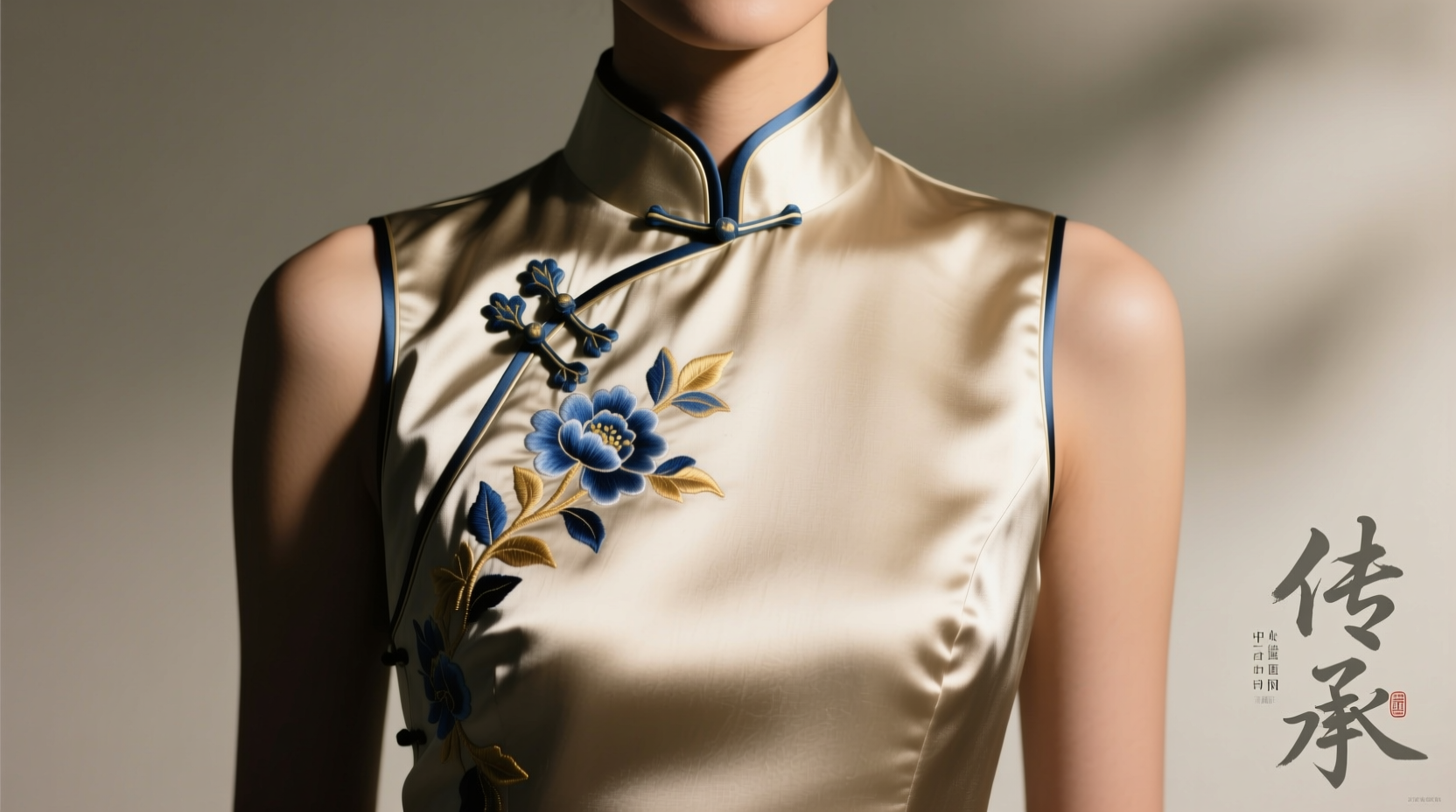
The defining feature of any qipao style top is the liangba or Mandarin collar. This stiff, stand-up collar frames the face and elongates the neck. Because the collar draws the eye upward, modern styling often involves keeping the neckline below the collar uncluttered. The collar is traditionally fastened with pankou—hand-knotted frog closures made from silk or cotton cords. While mass-market tops often use rigid, machine-made knots, artisanal pieces feature intricate designs like the hudi jie (butterfly knot) or meihua jie (plum blossom knot). These knots are not merely functional; they are focal points of the garment's artistry.
Piping and Trim (Xiang)
The xiang (piping) outlines the dajin and the hem of the top. In traditional tailoring, a single line of piping is considered understated and elegant, while double or triple piping was historically reserved for highly formal or celebratory occasions. When styling a modern qipao top for daily wear, opt for single-piped designs in contrasting or tonal colors to maintain a sleek, contemporary profile.
Fabric Selection: Drape, Structure, and Seasonality
The success of your outfit hinges heavily on the fabric composition of the top. The structural integrity of the collar and the drape of the bodice change drastically depending on the textile used.
- Mulberry Silk and Brocade (Zhijin): Heavy silk brocades (often 22mm to 30mm in momme weight) provide a stiff, structured look that holds the Mandarin collar perfectly upright. These are ideal for evening wear or cooler months but can look overly formal for daytime casual styling.
- Crepe de Chine and Charmeuse: Lighter silks (16mm to 19mm) offer a fluid drape. A qipao style top in charmeuse softens the rigid lines of the collar, making it an excellent choice for layering under blazers or pairing with relaxed-fit trousers.
- Linen and Ramie: For summer and resort wear, linen-blend qipao tops are highly breathable and offer a relaxed, matte texture. The natural slub of linen contrasts beautifully with the precise geometry of the pankou closures, creating a perfect high-low aesthetic.
- Jacquard and Cotton Blends: Matte cotton jacquards provide structure without the shine of silk, making them the most versatile option for office environments and smart-casual daytime events.
5 Modern Styling Formulas for the Qipao Style Top
Moving away from the head-to-toe traditional look, the modern qipao style top thrives on juxtaposition. Here are five actionable styling formulas for 2026 that balance heritage elegance with modern utility.
1. The Architectural Minimalist: Top + Wide-Leg Hakama Trousers
Pair a structured, short-sleeved brocade qipao top with high-waisted, wide-leg trousers inspired by Japanese Hakama or Western palazzo cuts. The volume of the trousers balances the fitted nature of the bodice. Tuck the top in to highlight the waistline, and finish with pointed-toe leather loafers or block-heel mules.
2. The Casual Contrast: Top + Raw Denim
Softening the formality of the qipao is easily achieved with denim. Choose a relaxed-fit, linen or cotton qipao style top and wear it untucked over straight-leg, raw indigo denim. Roll the sleeves slightly to expose the wrist, and accessorize with minimalist gold jewelry and white leather sneakers. This look is perfect for weekend gallery visits or casual dining.
3. The Evening Slip: Top + Bias-Cut Midi Skirt
For evening events, pair a silk charmeuse qipao top with a bias-cut satin midi skirt in a complementary jewel tone. The fluid drape of the charmeuse mimics the elegance of a full-length qipao while allowing for the modern separation of pieces. Add delicate drop earrings and strappy sandals to complete the ensemble.
4. The Transitional Layer: Top Over a Fine-Knit Turtleneck
Extend the wearability of your sleeveless or short-sleeved qipao tops into autumn and winter by layering them over a fitted, fine-gauge cashmere or merino wool turtleneck. This not only provides warmth but also adds a contemporary, avant-garde layering technique that highlights the top's collar and frog closures.
5. The Sartorial Edge: Top + Tailored Blazer
For a powerful office look, wear a matte cotton qipao style top beneath a sharply tailored, oversized blazer. Ensure the blazer is cut deep enough in the V-neck to showcase the Mandarin collar and the upper pankou closures. This combination merges Western corporate tailoring with Eastern heritage, creating a commanding and unique professional aesthetic.
Comparative Guide: Traditional Cheongsam vs. Modern Separates
Understanding the functional differences between the traditional dress and the modern top helps in making informed purchasing and styling decisions.
| Feature | Traditional One-Piece Qipao | Modern Qipao Style Top |
|---|---|---|
| Silhouette | Form-fitting, continuous line from neck to hem, high side slits. | Cropped at the hip or waist, allows for varied bottom pairings. |
| Mobility | Restricted by the narrow hem; requires mindful movement. | High mobility; moves with the wearer like a standard blouse. |
| Occasion | Weddings, formal galas, cultural ceremonies, diplomatic events. | Office wear, smart-casual outings, everyday street style. |
| Maintenance | High; requires specialized dry cleaning and careful storage. | Moderate; many modern cotton/linen blends are hand-washable. |
| Price Range (USD) | $250 - $2,000+ (Bespoke/Heritage) | $60 - $450 (Ready-to-wear/Indie Artisan) |
Cultural Etiquette and Respectful Styling
As the qipao style top gains global popularity, it is imperative to approach it with cultural respect. The garment is deeply tied to Chinese history, specifically the May Fourth Movement of 1919, where female students adopted the long robe (changpao) to demand educational and social equality. As noted by curators at The Metropolitan Museum of Art, the qipao is a testament to the modernization of Chinese women and the complex cross-cultural exchanges of the 20th century.
"The cheongsam is not merely a dress; it is a historical document that records the shifting social status and emancipation of women in modern China." — Adapted from historical textile analyses featured in the Victoria and Albert Museum's Asian Collections.
Styling Etiquette Rules:
- Avoid Fetishization: Never style the top with overly sexualized or costumey elements (e.g., plastic accessories, exaggerated theatrical makeup, or inappropriate footwear like beach flip-flops). Treat it with the same sartorial respect you would afford a high-end silk blouse or a tailored blazer.
- Respect the Closures: Do not alter or cut the pankou knots to change the neckline. The integrity of the frog closures is central to the garment's identity.
- Acknowledge the Craft: When complimented on the garment, use it as an opportunity to share its cultural origins and the specific terminology (like dajin or pankou) rather than dismissing it as just a "cute vintage top."
Sourcing Authentic Pieces: Artisans and Price Tiers
Finding a high-quality qipao style top requires looking beyond fast-fashion retailers, which often misrepresent the cut and use cheap synthetic fabrics that ruin the drape of the Mandarin collar. Here is a guide to sourcing authentic pieces in 2026:
- Heritage Brands & High-End ($300 - $800+): Brands like Shanghai Tang or bespoke tailors in Hong Kong and Shanghai offer impeccable construction, utilizing genuine silk brocades and hand-rolled piping. These pieces are investments that will last a lifetime.
- Independent Artisans & Slow Fashion ($120 - $300): Platforms like Etsy and specialized slow-fashion boutiques feature independent designers who blend traditional techniques with modern, relaxed fits. Look for sellers based in Hangzhou or Suzhou who specify the use of natural fibers and hand-knotted closures.
- High-Street & Contemporary Blends ($60 - $120): Some contemporary Asian fashion brands offer modernized, ready-to-wear qipao tops in cotton and linen blends. While they may use functional faux-knots or hidden zippers for ease of wear, they provide an accessible entry point for everyday styling.
By understanding the rich history, structural nuances, and modern styling potential of the qipao style top, you can seamlessly integrate this iconic piece of Asian heritage into your daily wardrobe, honoring its past while actively participating in its contemporary evolution.